Explore US Metal
Featured Album
Island In The Sun (Re-Opened 2025) (2025)
Featured Stoner Metal Album
Luminiferous (2015)
Featured Artist with an Upcoming Show
Featured Metalcore Album
Shame On Me (2022)
Featured Artist with an Upcoming Show
Browse US Metal Bands
33 bands found

Armor For Sleep began in Teaneck, New Jersey in 2001 as Ben Jorgensen's vehicle for atmospheric, concept-minded emo and alternative rock. Early demos led to Dream to Make Believe, an album that paired gauzy guitar layers and melodic urgency with lyrics about isolation, dreams, and the blurred line between inner life and reality. The band's breakthrough came with What To Do When You Are Dead, a tightly sequenced concept album that turned post-hardcore dynamics and pop-punk hooks into a darker narrative about death, memory, and regret. Smile For Them later broadened the sound with major-label polish while keeping Jorgensen's emotionally vivid writing at the center. After years of intermittent activity, Armor For Sleep returned with The Rain Museum and later material that revisited the band's atmospheric strengths through a more mature lens. Their music remains tied to the 2000s emo wave, but its cinematic mood and conceptual ambition set it apart from more straightforward scene-era rock.
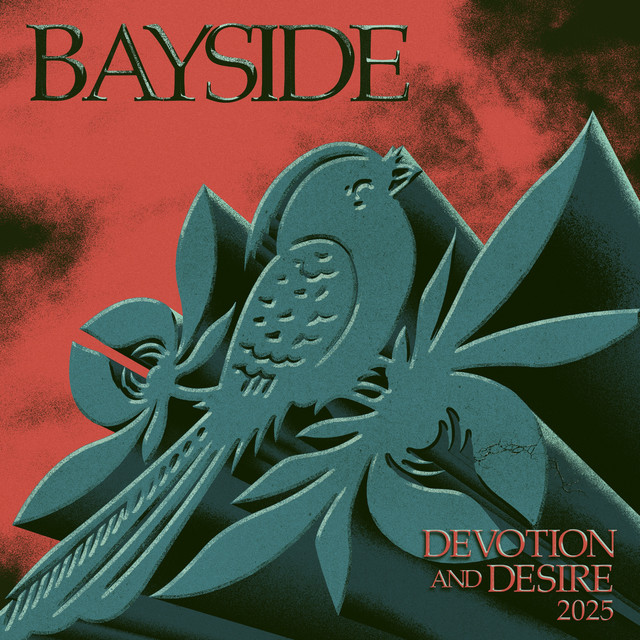
Bayside formed in Queens in 2000 and built one of the most durable catalogs in the emo and pop-punk world by sounding older, darker, and more disciplined than many of their peers. Anthony Raneri's voice and songwriting give the band its center: melodic but edged with bitterness, self-interrogation, and a dry humor that keeps the drama from feeling hollow. Sirens and Condolences and the self-titled album introduced the core blend of tight punk rhythms, sharp lead guitar work, and confessional choruses, while The Walking Wounded, Shudder, Killing Time, Cult, Vacancy, Interrobang, and There Are Worse Things Than Being Alive proved the formula had long legs. Jack O'Shea's guitar lines are a major part of the identity, adding classic-rock precision and restless movement to songs that could otherwise sit comfortably in scene-punk territory. Bayside are not heavy in the metal sense, but they belong in punk-adjacent scope through intensity, touring history, and emotional force. Their best songs make disappointment sound controlled rather than collapsed, turning personal wreckage into tightly written, repeatable anthems.
Driveways are a Boston band whose music turns pop punk and post-hardcore into a seasonal language of grief, nostalgia, and restless motion. The group is known for an autumnal identity that goes beyond artwork or release timing: October, Halloween imagery, cold weather, coastal memory, and haunted relationships all recur as emotional architecture. EPs and albums such as Night Terrors, October Forever, Skeptic, Into the Past, Skeletal material, Tempest, and Unseen show a band that can write fast, hooky songs without making them feel lightweight. The vocals are urgent and clear, the guitars often carry a darker edge than standard pop punk, and the drums push the songs forward with enough force to connect to post-hardcore audiences. Driveways fit the punk scope through tempo, touring context, and guitar-driven catharsis, but their identity depends on atmosphere as much as genre. Their best tracks make memory feel like a physical place: a highway at night, a shoreline in bad weather, a house full of old ghosts. That specificity keeps the melodrama grounded.
Finch are a Temecula, California post-hardcore band whose debut made them one of the defining acts of the early-2000s emo and heavy alternative crossover. Formed in 1999, the group broke through with What It Is to Burn, an album that joined melodic hooks, screamed intensity, and polished production in a way that appealed to punk, emo, and heavier rock audiences at once. Say Hello to Sunshine complicated that success with darker, stranger arrangements and a less immediately accessible post-hardcore sound, earning a reputation as a cult record after initially dividing listeners. Later reunions and releases kept the band's name active, but Finch's core legacy remains the tension between the cathartic directness of their debut and the restless ambition that followed. They fit punk and metal-adjacent scope through post-hardcore, screamo, and alternative rock heaviness. Finch's best songs use contrast sharply: clean vocals break open into screams, bright guitar lines turn jagged, and choruses carry both romance and collapse. The band captured a moment when emotional rock was becoming heavier, more polished, and more volatile.
From First to Last blazed through the mid-2000s screamo and post-hardcore scene with their debut 'Dear Diary, My Teen Angst Has a Body Count,' featuring a then-unknown Sonny Moore (later Skrillex) on vocals. After Moore's departure, the band continued with Matt Good at the helm, but their early catalog remains a defining chapter of the MySpace-era heavy music explosion.
Hawthorne Heights became unlikely emo icons from Dayton, Ohio, with their 2004 debut 'The Silence in Black and White' producing the inescapable hit 'Ohio Is for Lovers.' The band's blend of screamo intensity and pop-punk accessibility, featuring JT Woodruff's dual clean-and-screamed vocal approach, defined the mid-2000s emo movement for millions of fans. Despite personal tragedies including the death of guitarist Casey Calvert, the band has persevered, continuing to release music and tour with the resilience their loyal fanbase mirrors.
Hot Mulligan are a Lansing, Michigan band whose music sits at the loud intersection of emo, pop punk, Midwest emo, and post-hardcore. Formed in 2014, the group grew from basement-show roots into one of the defining modern acts in emotionally charged guitar music, with releases such as Pilot, you'll be fine, Why Would I Watch, and later work sharpening their combination of tangled riffs, strained vocals, and self-aware humor. Their songs often feel messy in feeling but precise in construction: guitars twist around each other, drums push with nervous momentum, and Nathan Sanville's voice gives the music a cracked urgency that fits lyrics about grief, insecurity, family, memory, and growing up badly. Hot Mulligan fit punk scope through pop punk and post-hardcore, even when their vocabulary overlaps heavily with emo. They favor velocity, cathartic choruses, and live-room release over soft introspection. What separates them from many revival-era peers is how naturally they balance jokes, pain, and technical guitar movement. The band can sound frantic, funny, wounded, and direct within the same song, which has made their music resonate far beyond a single scene category.
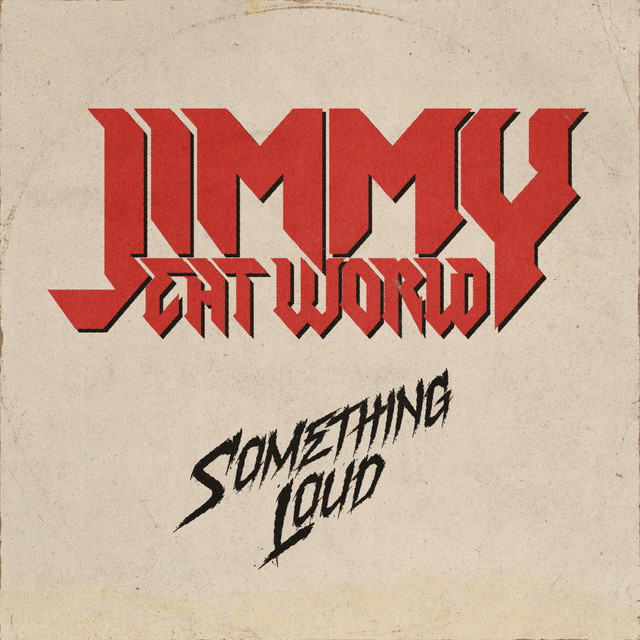
Mesa, Arizona's Jimmy Eat World became the emotional backbone of early 2000s alternative rock with 'Bleed American,' an album that yielded ubiquitous singles 'The Middle' and 'Sweetness.' Their ability to craft soaring, emotionally resonant rock songs with impeccable melodic instincts — from the ambitious 'Clarity' to the mature 'Futures' — has made them one of the most consistently excellent bands in American rock.
Joyce Manor are a Torrance, California punk band whose short, emotionally loaded songs helped reshape 2010s pop punk and emo without relying on polish or nostalgia. Formed in 2008, the group emerged from Southern California punk with a self-titled album that packed anxiety, romance, humor, and frustration into songs that often ended before they reached two minutes. Later records such as Of All Things I Will Soon Grow Tired, Never Hungover Again, Cody, Million Dollars to Kill Me, 40 oz. to Fresno, and subsequent work showed a band willing to adjust tempo, production, and structure while keeping a direct emotional core. Joyce Manor fit punk scope through punk rock, pop punk, and emo, with a style that values immediacy over ornament. Barry Johnson's lyrics can feel conversational, cutting, or painfully specific, and the band surrounds them with compact guitar hooks and rhythms that rarely waste motion. Their influence is visible in how many newer bands learned from their brevity, melodic sharpness, and refusal to overexplain feeling. Joyce Manor's songs hit because they sound casual at first and then reveal careful construction, turning ordinary confusion into music that feels urgent, funny, and wounded.
Enter the Inferno
View all threads →Frequently asked questions
US Metal Index indexes hundreds of US heavy metal bands across every subgenre — death metal, black metal, thrash metal, doom metal, metalcore, hardcore punk, grindcore, sludge, stoner metal, and more. Browse heavy metal bands by genre, city, or state.
Yes — browse US death metal bands in our index. Filter by genre to find death metal, technical death metal, and melodic death metal bands. We also index black metal, thrash metal, doom metal, and all heavy metal bands.
Use the genre filter to browse US black metal bands. We index black metal, atmospheric black metal, and related subgenres alongside death metal, thrash metal, doom metal, and all heavy metal bands.
Browse our index for US thrash metal bands. Filter by genre to discover thrash metal, crossover thrash, and speed metal bands. Our index covers all heavy metal bands including death metal, black metal, doom, and metalcore.
Yes — we index metalcore bands, doom metal bands, and every heavy metal subgenre. Browse US metalcore, doom metal, sludge metal, stoner metal, progressive metal, power metal, and more.
Yes — browse US hardcore punk bands alongside heavy metal bands. We cover hardcore punk, crust punk, D-beat, grindcore, metalcore, and all heavy music subgenres.
Filter by city and state to find heavy metal bands near you. Each band page includes streaming links, genre tags, and upcoming metal concerts. Discover death metal, black metal, thrash, doom, and all heavy metal bands in your area.
Visit our shows page for US metal concerts — death metal shows, black metal concerts, thrash metal shows, doom concerts, and all heavy metal events. Updated daily with ticket links from Ticketmaster and SeatGeek.
US Metal Index is an index of US heavy metal bands — death metal, black metal, thrash metal, doom metal, metalcore, hardcore punk, and all heavy music. Browse bands by genre, find metal concerts near you, and discover the US metal scene.