Explore US Metal
Featured Album
Island In The Sun (Re-Opened 2025) (2025)
Featured Stoner Metal Album
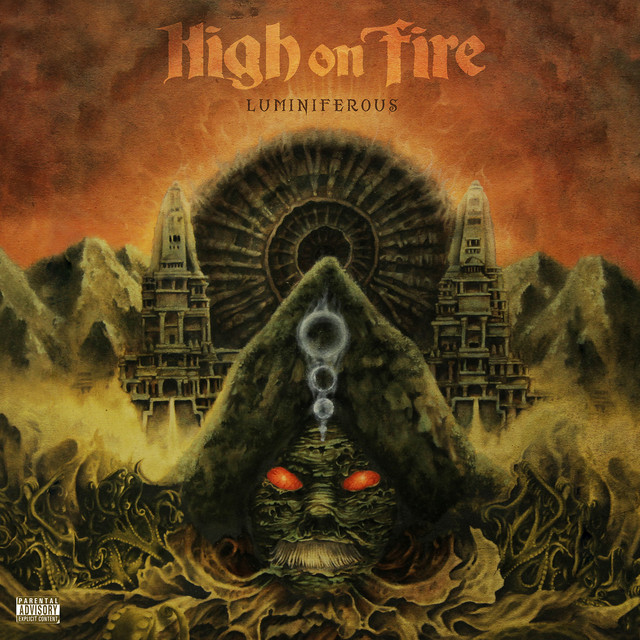
Luminiferous (2015)
Featured Artist with an Upcoming Show
Featured Metalcore Album
Shame On Me (2022)
Featured Artist with an Upcoming Show
Browse US Metal Bands
33 bands found

Knuckle Puck helped define a later wave of pop punk by keeping the genre fast and hook-heavy while pulling more strain from emo and punk. Joe Taylor's vocals often sound pushed to the edge, matched by Nick Casasanto and Kevin Maida's restless guitar parts, Ryan Rumchaks's bass movement, and John Siorek's crisp, driving drums. Early EPs built a following through urgency and emotional directness, and Copacetic turned that tension into a full-album statement with songs that felt crowded, anxious, and cathartic. Shapeshifter, 20/20, and Losing What We Love show a band widening its melodic range without abandoning the tight turns and pressure that made the early material connect. Their lyrics often circle memory, resentment, self-sabotage, and the difficulty of saying the thing plainly, which gives even bright choruses a stressed undertow. Knuckle Puck's sound is polished enough for big rooms but still carries the snap of basement punk, making the songs feel communal without losing their edge.
Koyo are a Long Island band whose music connects melodic hardcore, pop punk, and emo to the region's deep hardcore lineage. Formed by musicians who grew up around the Long Island hardcore scene, the band carries clear links to groups such as Silent Majority, The Movielife, Taking Back Sunday, and the broader LIHC tradition while still writing songs that feel current. Their sound is fast, melodic, and emotionally direct: guitars ring and surge, drums push with hardcore urgency, and Joey Chiaramonte's vocals land between pop-punk melody and scene-rooted conviction. Koyo fit accepted scope through melodic hardcore, hardcore-adjacent punk, and pop punk. They are a useful example of how modern bands can come from hardcore culture without sounding like pure beatdown or revivalist youth crew. Releases such as Painting Words Into Lines, Drives Out East, Would You Miss It?, and later material show a band invested in memory, friendship, grief, place, and the strange emotional geography of growing up in a scene. Koyo's best songs work because they feel communal without becoming vague. The band writes hooks, but the live energy and hardcore foundation keep the music grounded, physical, and unmistakably tied to Long Island.
Madina Lake formed in Chicago in 2005 and stood out in the post-hardcore and emo-adjacent rock world by building a conceptual mythology around their music. Fronted by twin brothers Nathan and Matthew Leone, the band used From Them, Through Us, to You to introduce both their sharp melodic style and the fictional town of Madina Lake, with songs like "House of Cards," "Here I Stand," and "One Last Kiss" balancing dramatic hooks with scene-rock urgency. Attics to Eden and World War III continued the narrative thread while widening the band's sound into darker alternative rock, electronic touches, and more polished choruses. Their history has also been marked by real-life trauma, including Matthew Leone's severe injuries after intervening in a domestic violence incident, which gave the band's later resilience a deeper context. Madina Lake fit the accepted post-hardcore and emo scope through their guitars, touring history, and theatrical emotional intensity. Their best songs work when the concept does not overshadow the melody, letting mystery, vulnerability, and big choruses reinforce each other.
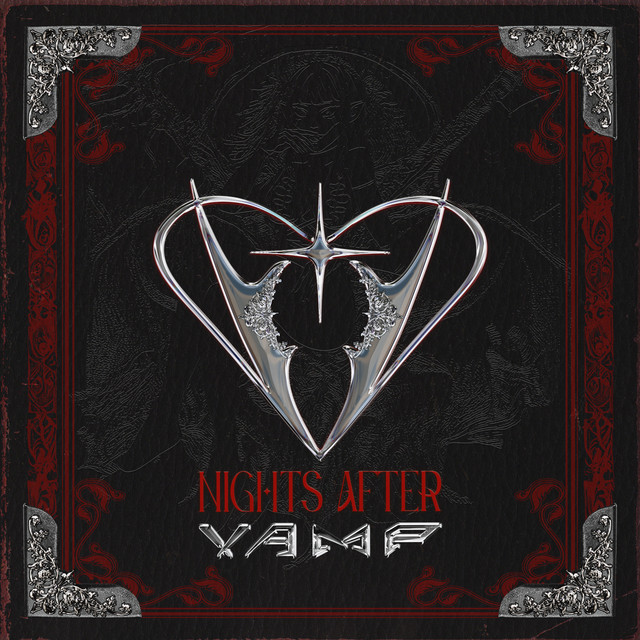
Magnolia Park write pop punk with a restless modern vocabulary, folding emo melody, post-hardcore release, trap-influenced rhythm, and metalcore-sized impact into songs that move quickly and aim straight for the hook. The band first drew wider attention through a rush of singles and the Halloween Mixtape era, then used Baku's Revenge to sharpen a colorful, narrative-minded identity built around heartbreak, anxiety, friendship, and fantasy-horror imagery. Their arrangements often start from bright guitar movement and polished vocal lines, then harden through shouted passages, heavier riffs, or breakdown-shaped turns that give the songs more punch than standard radio pop punk. Joshua Roberts' vocals bring a clean, agile lead presence, while the band around him keeps the tracks dense with quick transitions, electronic accents, and sudden bursts of aggression. Later releases such as Halloween Mixtape II and VAMP pushed the group's comic-book and dark-pop worldbuilding further, letting glossy choruses sit next to heavier textures without losing momentum. Magnolia Park's strength is that the songs feel accessible and busy at once, built for immediacy but packed with enough stylistic movement to reward repeat listening.
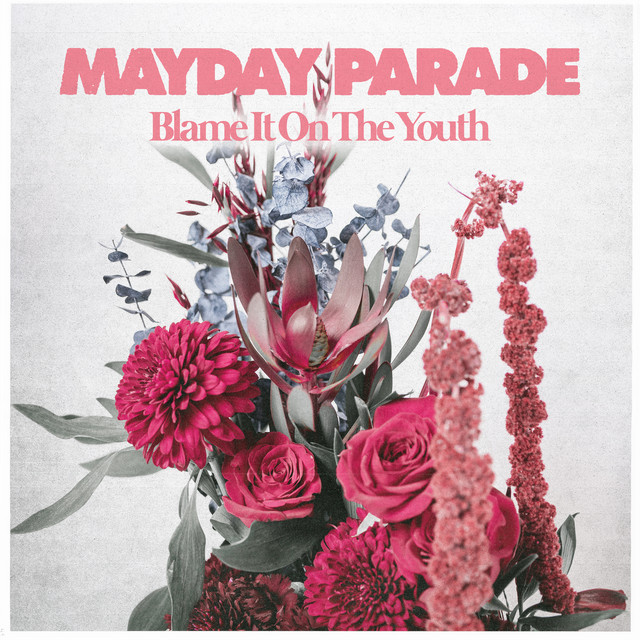
Mayday Parade formed in Tallahassee in 2005 and became a key band in the emotional, piano-tinged side of 2000s pop punk and emo. Tales Told by Dead Friends and A Lesson in Romantics established the template: dual-vocal tension, dramatic breakup writing, bright guitar movement, and choruses that turn melodrama into communal release. After lineup changes, the band continued with Anywhere but Here, the self-titled album, Monsters in the Closet, Black Lines, Sunnyland, What It Means to Fall Apart, and later material that kept the focus on melody while allowing more adult reflection into the lyrics. Derek Sanders's voice gives the catalog its emotional center, but the band's strength is arrangement: acoustic passages, piano lines, fast punk drums, and full-band climaxes are used to make romantic disappointment feel cinematic without losing scene-rooted directness. Mayday Parade are not heavy in a metal sense, but they fit the punk and emo scope through guitar-driven urgency, emotionally exposed vocals, and a history tied to Warped Tour-era alternative rock. Their best songs remain built for crowd singing.
Motion City Soundtrack formed in Minneapolis in 1997 and became known for a bright, anxious strain of pop punk built around fast guitars, Moog synthesizer lines, and Justin Pierre's tightly wound vocal delivery. I Am the Movie introduced the band's mix of nervous humor, self-examination, and kinetic hooks, while Commit This to Memory brought a sharper studio focus and some of their most durable songs. Even If It Kills Me, My Dinosaur Life, Go, and Panic Stations broadened the sound without losing the clipped rhythms and melodic urgency that defined them. The band's songs often use polished choruses to carry messy emotional material, turning panic, self-sabotage, addiction, and romantic collapse into fast, memorable rock music. After an initial farewell period, their return reinforced how distinctive their combination had been: emo's interior pressure, pop punk's forward motion, and new wave keyboard color working together in songs that feel both frantic and carefully constructed. Few peers made neurosis sound so tuneful. That tension remains the reason their catalog still feels nervous and alive.
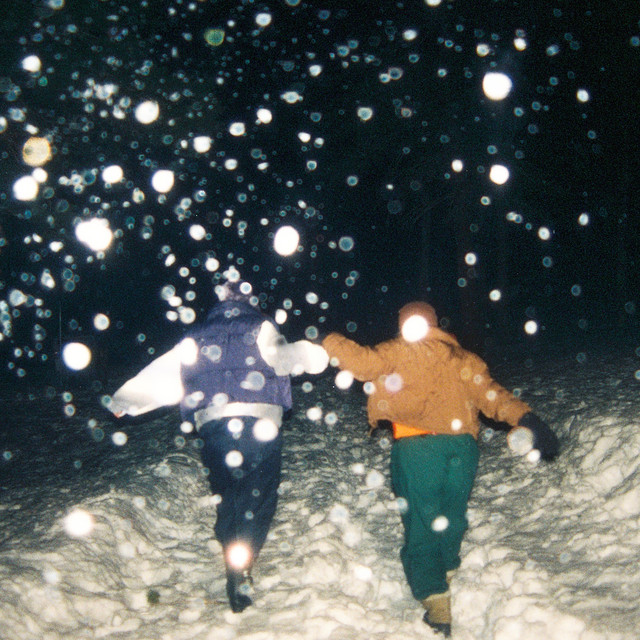
Movements formed in Rancho Santa Margarita, California, in 2015 and quickly became one of the most recognizable bands in the emo-leaning post-hardcore revival. The group's lineup of Patrick Miranda, Ira George, Austin Cressey, and Spencer York built its identity on tightly wound guitar work, confessional vocals, and lyrics that confront mental health, grief, intimacy, and emotional exhaustion. After signing with Fearless Records following their earliest live activity, Movements released Outgrown Things in 2016, an EP that introduced their blend of spoken-word intensity, melodic post-hardcore, and soft-grunge atmosphere. Their 2017 debut album Feel Something became the defining release of their early career, with "Daylily," "Colorblind," "Full Circle," and "Deadly Dull" turning vulnerability into anthemic, cathartic rock. No Good Left to Give followed in 2020 with a darker, more spacious tone, while RUCKUS! in 2023 pushed the band toward more varied rhythms, sharper hooks, and broader alternative rock textures. Movements remain rooted in emotionally transparent post-hardcore, but their catalog shows a steady move from raw catharsis toward more expansive and unpredictable songwriting.
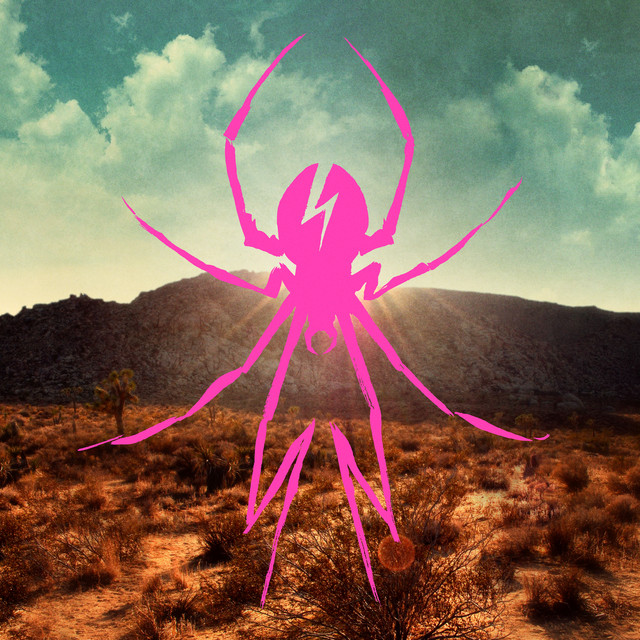
My Chemical Romance transformed emo and post-hardcore into a theatrical, operatic spectacle, with Gerard Way's vision reaching its apex on the rock opera 'The Black Parade,' one of the most ambitious and beloved rock albums of the 2000s. From the raw urgency of 'I Brought You My Bullets, You Brought Me Your Love' to the punk reinvention of 'Danger Days,' MCR became a cultural phenomenon that inspired an entire generation to embrace their darkness.
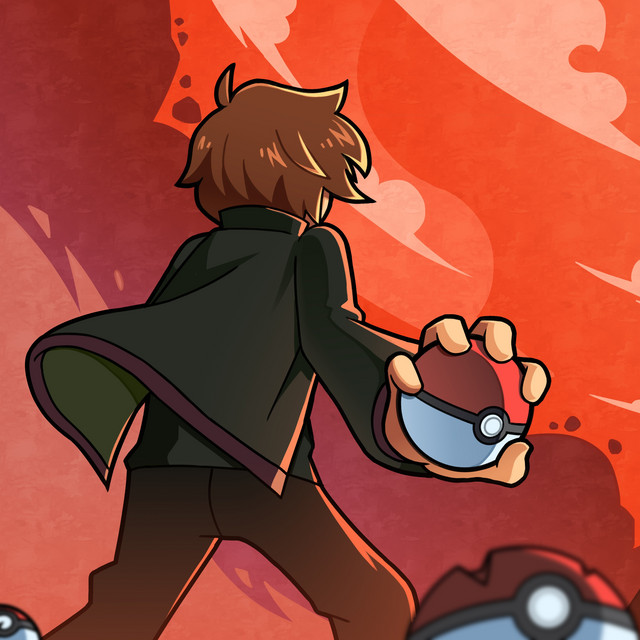
Origami Angel are a Washington, DC duo built around Ryland Heagy and Pat Doherty, and their music helped define a hyper-energetic corner of modern emo and pop punk. Early EPs such as Quiet Hours, Doing the Most, and Gen 3 led into Somewhere City, a record whose fast transitions, bright guitar work, and emotional sincerity made the band's "Gami Gang" world feel both playful and deeply felt. GAMI GANG expanded the approach into a sprawling set of songs that bounce between emo, pop punk, indie rock, mathy guitar turns, and occasional heavier bursts without losing a sense of friendship and momentum. The Brightest Days and Feeling Not Found show the duo becoming more concise while still treating genre as a flexible toolkit. Origami Angel's heaviness is usually emotional and kinetic rather than metallic, but the punk foundation is clear in the speed, drumming, and shout-along urgency. Their songs often sound joyful even when anxious, making technical movement and vulnerable writing feel like parts of the same breathless conversation and release.
Enter the Inferno
View all threads →Frequently asked questions
US Metal Index indexes hundreds of US heavy metal bands across every subgenre — death metal, black metal, thrash metal, doom metal, metalcore, hardcore punk, grindcore, sludge, stoner metal, and more. Browse heavy metal bands by genre, city, or state.
Yes — browse US death metal bands in our index. Filter by genre to find death metal, technical death metal, and melodic death metal bands. We also index black metal, thrash metal, doom metal, and all heavy metal bands.
Use the genre filter to browse US black metal bands. We index black metal, atmospheric black metal, and related subgenres alongside death metal, thrash metal, doom metal, and all heavy metal bands.
Browse our index for US thrash metal bands. Filter by genre to discover thrash metal, crossover thrash, and speed metal bands. Our index covers all heavy metal bands including death metal, black metal, doom, and metalcore.
Yes — we index metalcore bands, doom metal bands, and every heavy metal subgenre. Browse US metalcore, doom metal, sludge metal, stoner metal, progressive metal, power metal, and more.
Yes — browse US hardcore punk bands alongside heavy metal bands. We cover hardcore punk, crust punk, D-beat, grindcore, metalcore, and all heavy music subgenres.
Filter by city and state to find heavy metal bands near you. Each band page includes streaming links, genre tags, and upcoming metal concerts. Discover death metal, black metal, thrash, doom, and all heavy metal bands in your area.
Visit our shows page for US metal concerts — death metal shows, black metal concerts, thrash metal shows, doom concerts, and all heavy metal events. Updated daily with ticket links from Ticketmaster and SeatGeek.
US Metal Index is an index of US heavy metal bands — death metal, black metal, thrash metal, doom metal, metalcore, hardcore punk, and all heavy music. Browse bands by genre, find metal concerts near you, and discover the US metal scene.