Explore US Metal
Featured Album
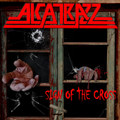
Sign Of The Cross (2023)
Featured Doom Metal Album
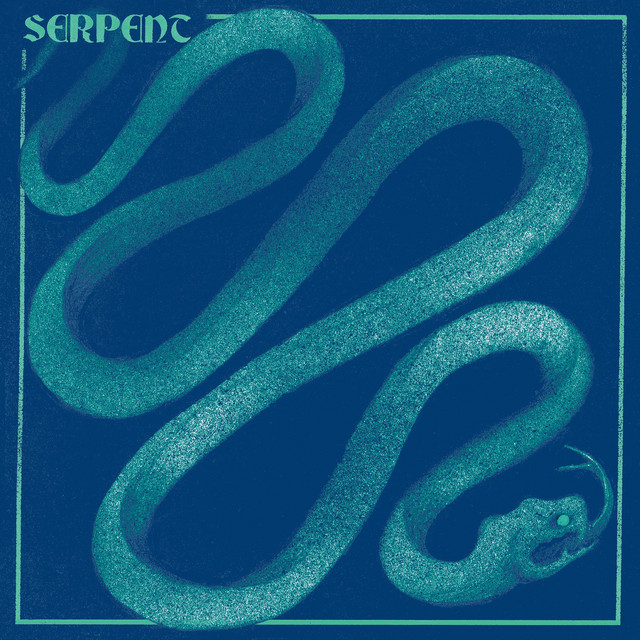
SERPENT (2025)
Featured Artist with an Upcoming Show
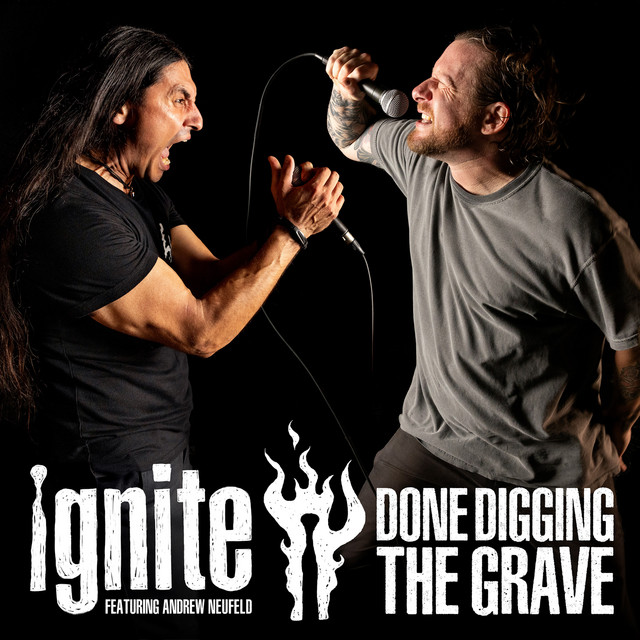
Featured Stoner Metal Album
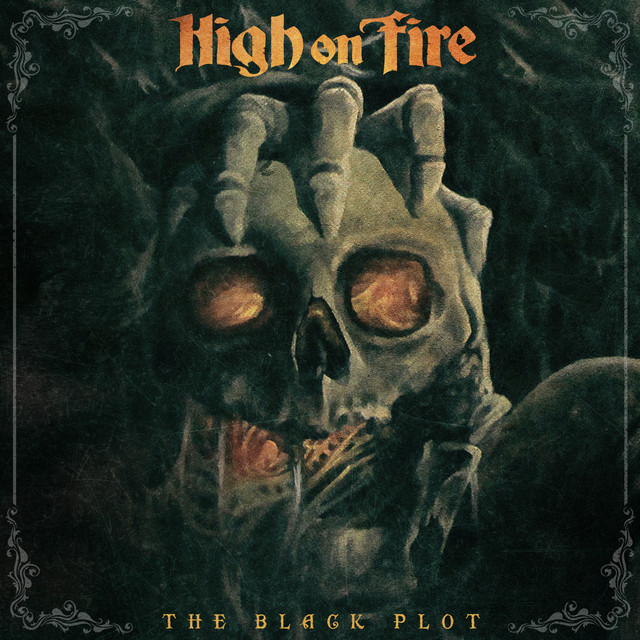
The Black Plot - Single (2015)
Featured Artist with an Upcoming Show
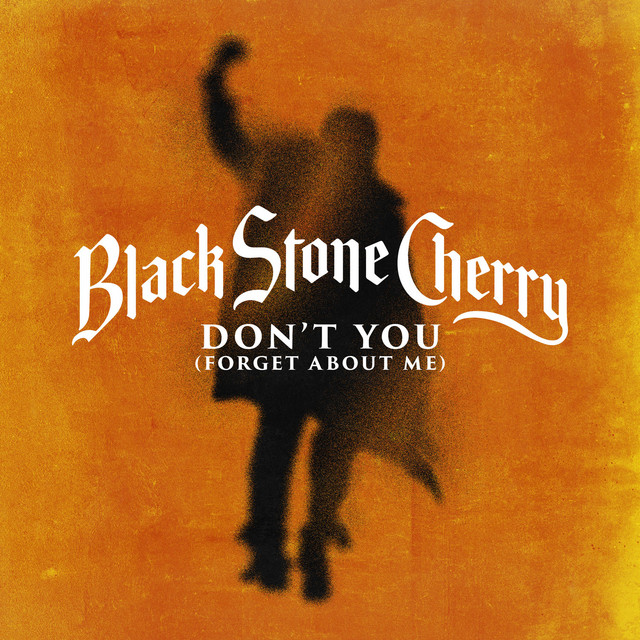
Don't You (Forget About Me) (feat. Tyler Connolly of Theory Of A Deadman) (2026)
10/26 @ The Academy, Dublin
Browse US Metal Bands
99 bands found
South Carolina's Sent by Ravens delivered catchy, uplifting post-hardcore on Tooth & Nail Records, with vocalist Zach Riner's dynamic range driving albums 'Our Graceful Words' and 'Mean What You Say.' Drawing comparisons to Finch, Blindside, and Emery, the band built a devoted following in the Christian rock scene before going on hiatus in 2012.
Kansas City's Shiner spent over a decade crafting a dense, melodic form of post-hardcore built on unconventional rhythms, shimmering guitar textures, and Allen Epley's distinctive vocal delivery before going on hiatus in 2003. Albums like 'The Egg' and 'Starless' explored territory between Hum's heavy shoegaze, Failure's spacey art-rock, and Swervedriver's atmospheric drive. Their 2020 reunion album 'Schadenfreude' and 2025's 'BELIEVEYOUME' proved that the band's singular approach to heavy, cerebral rock had lost none of its potency over the years.
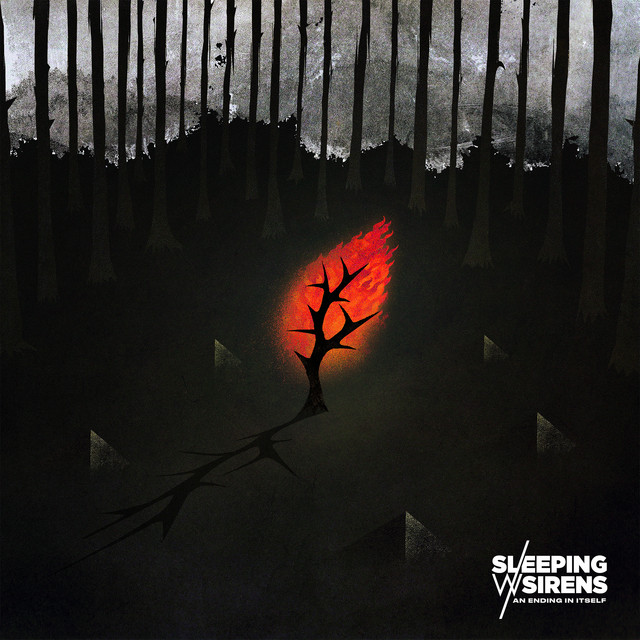
Sleeping With Sirens became one of post-hardcore's most recognizable melodic acts by building songs around Kellin Quinn's unusually high, elastic voice. The band's debut, With Ears to See and Eyes to Hear, introduced a style that paired bright clean vocals with heavier dual-guitar pressure, screamed accents, and scene-punk momentum. "If I'm James Dean, You're Audrey Hepburn" captured the formula early: romantic drama, sharp dynamics, and a chorus built to rise above the distortion. Later albums broadened the palette, with Feel leaning into bigger pop melody, Madness and Gossip testing more streamlined alternative rock, and How It Feels to Be Lost pulling the band back toward heavier post-hardcore impact. Sleeping With Sirens' career is defined by that push and pull between vulnerability and force. The songs can be glossy, but they usually keep a charged live-band frame, using guitars and drums to heighten the emotional stakes around Quinn's voice rather than merely supporting it.
Spaced are a Buffalo hardcore band whose self-described far-out hardcore brings color, groove, and psychedelic personality into a style often defined by blunt force. Emerging from western New York's active hardcore environment, the band built a reputation through energetic shows and releases that make aggression feel elastic rather than one-dimensional. Their music combines fast hardcore rhythms, shouted vocals, bouncing bass, sharp guitar parts, and flashes of alternative rock melody, creating songs that can be heavy, playful, and defiant at once. Releases such as Spaced Jams, Spaced, and No Escape show a group interested in empowerment and movement, with vocalist Lexi Reyngoudt giving the songs a commanding center. The band often writes about pressure, selfhood, resistance, and refusing the pull of pessimism, but the music avoids gloom by keeping its pulse lively and direct. Spaced stand out because they understand that hardcore can be serious without being monochrome. Their visual style and sonic brightness make the band feel distinct, yet the foundation is still pit-ready urgency. Spaced matter as part of a newer hardcore wave that treats personality as strength, bringing weirdness, bounce, and conviction into short songs that hit quickly.
St. Louis' Story of the Year became a Warped Tour mainstay with their 2003 debut 'Page Avenue,' which delivered infectious pop-punk hooks wrapped in post-hardcore energy and explosive live performances. Dan Marsala's passionate vocal delivery on singles like 'Until the Day I Die' and 'Anthem of Our Dying Day' made the band a defining act of the mid-2000s alternative rock boom.
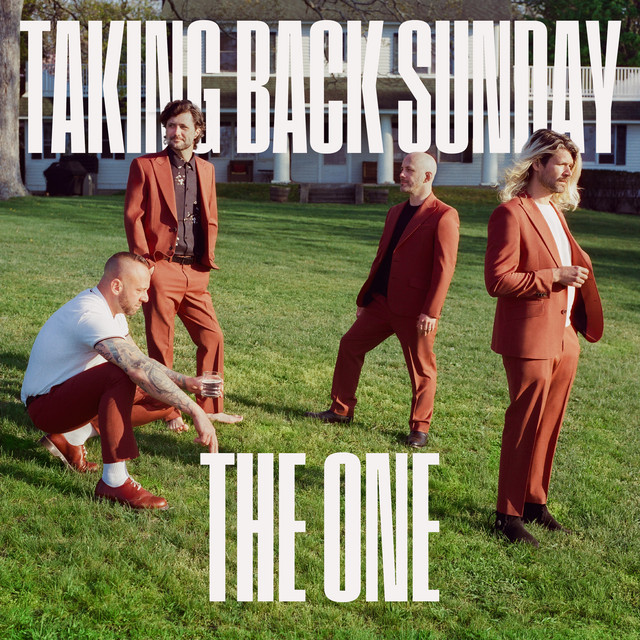
Taking Back Sunday became a defining voice in the overlap between emo, post-hardcore, and pop punk by making conflict sound communal. Tell All Your Friends captured the band's volatile early chemistry: Adam Lazzara's wounded lead vocals, John Nolan's cutting counter-melodies, Eddie Reyes' driving guitar parts, Shaun Cooper's bass movement, and Mark O'Connell's urgent drumming all pushed against one another without losing the song. The result was a style built on overlapping voices, accusatory hooks, jagged rhythms, and lyrics that felt like arguments shouted from opposite sides of the same room. Where You Want to Be and Louder Now gave that approach a broader rock shape, producing songs with cleaner choruses but the same emotional friction. Later lineup changes and reunions shifted the band's tone, yet the core identity remained tied to tension, call-and-response vocals, and guitar-driven release. Taking Back Sunday endure because their best songs do not simply describe heartbreak or betrayal; they dramatize it in the arrangement. Every pause, shouted harmony, and sudden lift feels like another person entering the fight.
The Armed are a maximalist hardcore collective whose catalog treats volume, identity, and spectacle as part of the music itself. Early releases such as These Are Lights and Untitled established a volatile mix of metallic hardcore, noise rock, blast-beat pressure, and blown-out production, while later albums pulled that chaos into stranger shapes. Only Love and ULTRAPOP made melody feel almost abrasive, packing bright hooks, digital gloss, and ecstatic choruses into songs that still moved with hardcore force. Perfect Saviors widened the frame again, bringing Tony Wolski's voice forward and folding arena-rock gestures, dance-punk angles, and polished studio craft into the band's usual sensory overload. Their later work returned to a more furious, compressed attack, sharpening the political disgust and frantic pacing behind the songs. The Armed's history is also inseparable from their self-mythology: shifting lineups, aliases, performance-art rollouts, and a long list of collaborators have made the project feel like a moving target. Under the conceptual noise, the appeal remains physical and immediate: riffs collide with electronics, drums surge past restraint, and the songs turn confusion into momentum.
Dayton, Ohio's The Devil Wears Prada brought a cinematic grandeur to metalcore that few peers could match, from the orchestral bombast of 'With Roots Above and Branches Below' to the atmospheric concept album 'Space EP.' Mike Hranica's ferocious screams paired with Jeremy DePoyster's clean vocals created a dynamic template, and their evolution through 'Color Decay' and 'The Act' has shown a band continually pushing beyond metalcore's boundaries.
The Fall of Troy are a Mukilteo, Washington band whose music turns post-hardcore into a frantic language of tangled guitar figures, sudden rhythmic pivots, and explosive vocal release. Formed in 2002, the trio became closely associated with the mid-2000s wave of technical post-hardcore through records such as The Fall of Troy, Doppelgänger, Manipulator, and later reunion-era releases. Thomas Erak's guitar playing is central to the identity: part lead instrument, part rhythm engine, part noise source, often carrying melody and chaos at the same time. The songs are athletic without feeling clinical, with Tim Ward and Andrew Forsman helping make odd meters and abrupt transitions feel like pressure rather than calculation. Their best-known material can be dizzying, but it is also emotional, built from anxious hooks, screamed peaks, and a sense of youthful overdrive. The band helped make mathy post-hardcore feel immediate for listeners who might otherwise have found the style academic. The Fall of Troy endure because they sound like a small band trying to outrun its own nervous system, turning technical instability into a recognizable kind of catharsis.
Enter the Inferno
View all threads →Frequently asked questions
US Metal Index indexes hundreds of US heavy metal bands across every subgenre — death metal, black metal, thrash metal, doom metal, metalcore, hardcore punk, grindcore, sludge, stoner metal, and more. Browse heavy metal bands by genre, city, or state.
Yes — browse US death metal bands in our index. Filter by genre to find death metal, technical death metal, and melodic death metal bands. We also index black metal, thrash metal, doom metal, and all heavy metal bands.
Use the genre filter to browse US black metal bands. We index black metal, atmospheric black metal, and related subgenres alongside death metal, thrash metal, doom metal, and all heavy metal bands.
Browse our index for US thrash metal bands. Filter by genre to discover thrash metal, crossover thrash, and speed metal bands. Our index covers all heavy metal bands including death metal, black metal, doom, and metalcore.
Yes — we index metalcore bands, doom metal bands, and every heavy metal subgenre. Browse US metalcore, doom metal, sludge metal, stoner metal, progressive metal, power metal, and more.
Yes — browse US hardcore punk bands alongside heavy metal bands. We cover hardcore punk, crust punk, D-beat, grindcore, metalcore, and all heavy music subgenres.
Filter by city and state to find heavy metal bands near you. Each band page includes streaming links, genre tags, and upcoming metal concerts. Discover death metal, black metal, thrash, doom, and all heavy metal bands in your area.
Visit our shows page for US metal concerts — death metal shows, black metal concerts, thrash metal shows, doom concerts, and all heavy metal events. Updated daily with ticket links from Ticketmaster and SeatGeek.
US Metal Index is an index of US heavy metal bands — death metal, black metal, thrash metal, doom metal, metalcore, hardcore punk, and all heavy music. Browse bands by genre, find metal concerts near you, and discover the US metal scene.