Explore US Metal
Featured Album
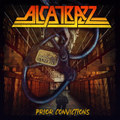
Prior Convictions (2025)
Featured Metalcore Album
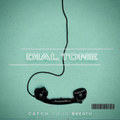
Dial Tone (2022)
Featured Artist with an Upcoming Show
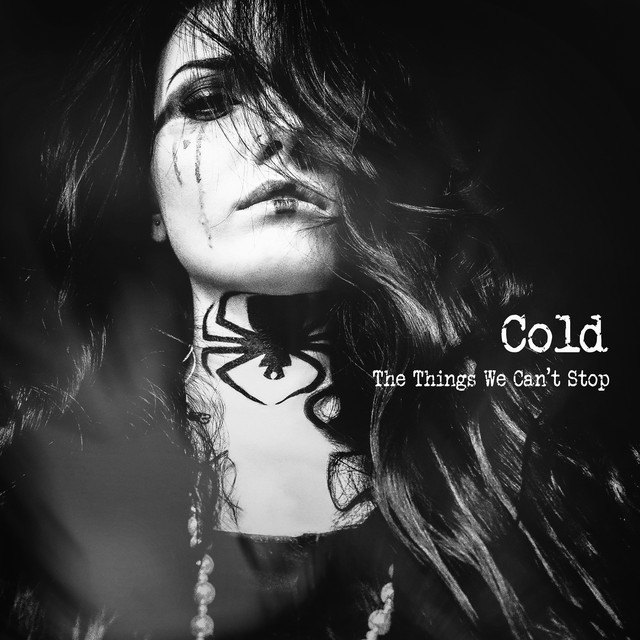
Featured Thrash Metal Album
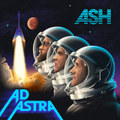
Ad Astra (2025)
Featured Artist with an Upcoming Show
Browse US Metal Bands
59 bands found
Saves the Day are a New Jersey band formed in Princeton in 1997, with Chris Conley as the central constant across a long and influential run through melodic hardcore, pop punk, emo, and indie rock. The band's debut Can't Slow Down carried strong Lifetime-inspired melodic hardcore energy, but 1999's Through Being Cool became the breakthrough, sharpening the writing into fast, anxious, hook-packed songs that helped shape the sound of late-1990s and early-2000s emo-pop. Stay What You Are brought broader visibility in 2001, slowing some tempos and emphasizing melody, vulnerability, and memorable choruses without losing the band's nervous emotional intensity. Later albums such as In Reverie, Sound the Alarm, Under the Boards, Daybreak, and 9 showed a willingness to stretch the band's language through darker themes, more experimental structures, and reflective storytelling. Saves the Day's catalog remains tied to emotional directness, bright guitar movement, and lyrics that turn personal turbulence into songs built for communal release.
Set It Off built their identity on high-drama pop punk, turning sharp hooks and anxious storytelling into songs that feel closer to miniature stage pieces than straightforward scene anthems. Cody Carson's vocals remain the center of the band, moving from clean theatrical phrasing into clipped rhythmic delivery and darker, more aggressive accents, while Zach DeWall and Maxx Danziger keep the arrangements tight and kinetic. Early releases leaned into orchestral flourishes and emo-pop melodrama, but albums such as Duality, Upside Down, Midnight, and Elsewhere widened the palette with pop production, R&B cadence, hip-hop timing, electronic texture, and heavier guitar pressure. The band's independent run after Elsewhere sharpened that contrast: singles like "Punching Bag," "Evil People," and "Parasite" pushed toward a harder, more confrontational version of their sound without abandoning the big choruses that made them recognizable. Set It Off are most effective when the hooks feel bright and dangerous at once, using theatrical excess to amplify resentment, self-doubt, betrayal, and survival into polished modern rock with real bite.

Set Your Goals emerged from the Bay Area in 2004 and became a key band in the mid-2000s collision between pop punk and melodic hardcore. Built around dual vocalists Jordan Brown and Matt Wilson, the group favored fast tempos, gang vocals, positive urgency, and breakdowns that kept the music tied to hardcore even when the hooks were bright. Reset introduced the formula, but Mutiny! became the defining statement, packed with songs that treated friendship, self-definition, scene politics, and persistence as reasons to shout in unison. This Will Be the Death of Us broadened the band's profile with sharper production and guests, while Burning at Both Ends continued their mix of melody and muscle. Set Your Goals fit punk and hardcore scope directly, and their influence sits in the easycore lane that linked New Found Glory-style songwriting with Comeback Kid-style impact. At their best, they sound communal rather than polished, using busy words, quick changes, and shouted refrains to turn personal frustration into a room-wide push forward.
Sleeping With Sirens became one of post-hardcore's most recognizable melodic acts by building songs around Kellin Quinn's unusually high, elastic voice. The band's debut, With Ears to See and Eyes to Hear, introduced a style that paired bright clean vocals with heavier dual-guitar pressure, screamed accents, and scene-punk momentum. "If I'm James Dean, You're Audrey Hepburn" captured the formula early: romantic drama, sharp dynamics, and a chorus built to rise above the distortion. Later albums broadened the palette, with Feel leaning into bigger pop melody, Madness and Gossip testing more streamlined alternative rock, and How It Feels to Be Lost pulling the band back toward heavier post-hardcore impact. Sleeping With Sirens' career is defined by that push and pull between vulnerability and force. The songs can be glossy, but they usually keep a charged live-band frame, using guitars and drums to heighten the emotional stakes around Quinn's voice rather than merely supporting it.
State Champs formed in Albany, New York in 2010 and became one of the central bands in the 2010s pop-punk revival. Early demos and the 2011 release Apparently, I'm Nothing led into the Pure Noise era, where Overslept and The Finer Things defined their sound: fast, cleanly produced guitars, tightly stacked backing vocals, and Derek DiScanio's bright, elastic lead melodies. Around the World and Back gave the band a larger, more polished profile while keeping the punchy rhythms and emotionally direct writing that had made their debut connect. Living Proof, Kings of the New Age, and the self-titled State Champs continued to refine a sound built for both club sing-alongs and bigger rock rooms. The band's history is less about dramatic reinvention than consistency and craft. They write with the speed and uplift of classic pop punk, but their recordings emphasize modern clarity, vocal precision, and choruses that turn romantic tension, uncertainty, and resilience into compact, high-energy songs. Their polish works because the rhythm section still moves like a punk band.
St. Louis' Story of the Year became a Warped Tour mainstay with their 2003 debut 'Page Avenue,' which delivered infectious pop-punk hooks wrapped in post-hardcore energy and explosive live performances. Dan Marsala's passionate vocal delivery on singles like 'Until the Day I Die' and 'Anthem of Our Dying Day' made the band a defining act of the mid-2000s alternative rock boom.
Philadelphia's Sweet Pill blend emo's emotional directness with indie rock's melodic sensibility and a dose of early-2000s pop-punk energy, led by Zayna Youssef's captivating vocal delivery and confessional songwriting. Signed to Topshelf Records, their debut album 'Where the Heart Is' showcases a band that thrives in the space between aggressive catharsis and tender vulnerability. Sweet Pill have become a staple of Philadelphia's vibrant independent music scene, earning praise for their heartfelt, hook-laden approach to emo-adjacent rock.
Taking Back Sunday became a defining voice in the overlap between emo, post-hardcore, and pop punk by making conflict sound communal. Tell All Your Friends captured the band's volatile early chemistry: Adam Lazzara's wounded lead vocals, John Nolan's cutting counter-melodies, Eddie Reyes' driving guitar parts, Shaun Cooper's bass movement, and Mark O'Connell's urgent drumming all pushed against one another without losing the song. The result was a style built on overlapping voices, accusatory hooks, jagged rhythms, and lyrics that felt like arguments shouted from opposite sides of the same room. Where You Want to Be and Louder Now gave that approach a broader rock shape, producing songs with cleaner choruses but the same emotional friction. Later lineup changes and reunions shifted the band's tone, yet the core identity remained tied to tension, call-and-response vocals, and guitar-driven release. Taking Back Sunday endure because their best songs do not simply describe heartbreak or betrayal; they dramatize it in the arrangement. Every pause, shouted harmony, and sudden lift feels like another person entering the fight.
The All-American Rejects built their reputation on the chemistry between Tyson Ritter's restless, theatrical vocals and Nick Wheeler's hook-focused guitar writing. Their early songs turned small-town frustration, romantic fallout, and youthful melodrama into streamlined pop-punk and emo-pop singles with sharp melodic recall. "Swing, Swing" made the first major impact, but Move Along pushed the band into a larger arena with "Dirty Little Secret," "Move Along," and "It Ends Tonight," balancing bright guitars with lyrics that felt wounded without becoming heavy-handed. When the World Comes Down added the massive "Gives You Hell," proving the band could sharpen its snark into a global pop-rock anthem. The group has always worked near the polished edge of guitar music, yet its best material keeps a punk-derived bounce and a nervous emotional charge. The songs are clean, but rarely passive; they move fast, aim for the chorus, and turn private embarrassment into something loud enough for a crowd.
Enter the Inferno
View all threads →Frequently asked questions
US Metal Index indexes hundreds of US heavy metal bands across every subgenre — death metal, black metal, thrash metal, doom metal, metalcore, hardcore punk, grindcore, sludge, stoner metal, and more. Browse heavy metal bands by genre, city, or state.
Yes — browse US death metal bands in our index. Filter by genre to find death metal, technical death metal, and melodic death metal bands. We also index black metal, thrash metal, doom metal, and all heavy metal bands.
Use the genre filter to browse US black metal bands. We index black metal, atmospheric black metal, and related subgenres alongside death metal, thrash metal, doom metal, and all heavy metal bands.
Browse our index for US thrash metal bands. Filter by genre to discover thrash metal, crossover thrash, and speed metal bands. Our index covers all heavy metal bands including death metal, black metal, doom, and metalcore.
Yes — we index metalcore bands, doom metal bands, and every heavy metal subgenre. Browse US metalcore, doom metal, sludge metal, stoner metal, progressive metal, power metal, and more.
Yes — browse US hardcore punk bands alongside heavy metal bands. We cover hardcore punk, crust punk, D-beat, grindcore, metalcore, and all heavy music subgenres.
Filter by city and state to find heavy metal bands near you. Each band page includes streaming links, genre tags, and upcoming metal concerts. Discover death metal, black metal, thrash, doom, and all heavy metal bands in your area.
Visit our shows page for US metal concerts — death metal shows, black metal concerts, thrash metal shows, doom concerts, and all heavy metal events. Updated daily with ticket links from Ticketmaster and SeatGeek.
US Metal Index is an index of US heavy metal bands — death metal, black metal, thrash metal, doom metal, metalcore, hardcore punk, and all heavy music. Browse bands by genre, find metal concerts near you, and discover the US metal scene.