Explore US Metal
Featured Album
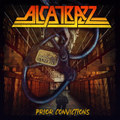
Prior Convictions (2025)
Featured Metalcore Album
Dial Tone (2022)
Featured Artist with an Upcoming Show
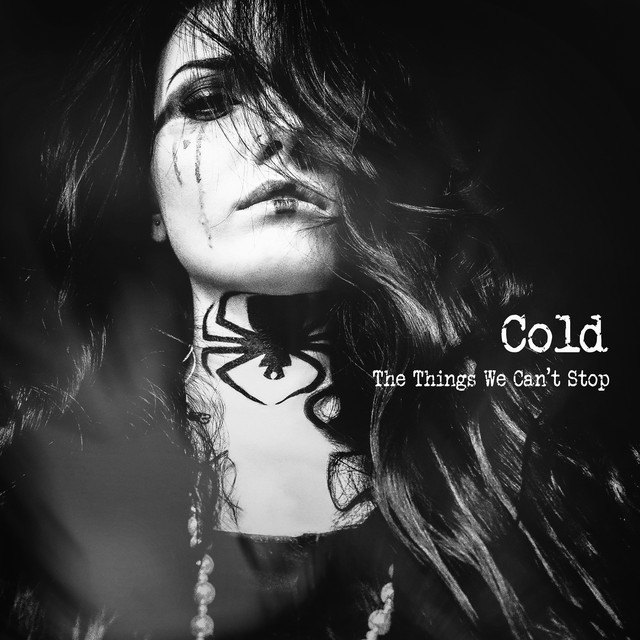
Featured Thrash Metal Album
Ad Astra (2025)
Featured Artist with an Upcoming Show
Browse US Metal Bands
59 bands found

Bowling for Soup formed in Wichita Falls, Texas in 1994 and became one of pop punk's most recognizable comic voices without reducing themselves to novelty. Jaret Reddick, Chris Burney, Erik Chandler, and Gary Wiseman built a sound around bright power-pop chords, fast punk tempos, and lyrics that treated embarrassment, aging, romantic failure, and suburban absurdity as shared experiences. Let's Do It for Johnny!! and Drunk Enough to Dance brought the band to a wider audience, while "Girl All the Bad Guys Want" and A Hangover You Don't Deserve made them fixtures of 2000s pop-punk radio. "1985," "Almost," "High School Never Ends," and "Punk Rock 101" work because the jokes are attached to clean melodies and sturdy arrangements, not just punchlines. Later records and constant touring kept the band connected to multiple generations of fans who value their self-awareness and consistency. Bowling for Soup fit the punk scope through their scene history, guitars, and tempo, even when the mood is playful. Their catalog turns arrested adolescence into craft, using humor to make ordinary insecurity feel communal.
Boys Like Girls turned late-2000s pop punk into bright, high-gloss guitar music without losing the urgency that powered the style. Martin Johnson's songwriting gave the band its center: anxious, romantic, immediately singable choruses pushed by ringing guitars, quick tempos, and a knack for hooks that could cross from club rooms to radio. Their self-titled debut broke through with "The Great Escape," "Hero/Heroine," and "Thunder," while Love Drunk sharpened the band's power-pop instincts and expanded its reach. After a long recording gap, Sunday at Foxwoods returned to the emotional and regional memory of the band's early friendships while sounding older, cleaner, and more reflective. The group's best songs work because their polish is charged by restlessness. Even when the production leans pop, the songs still carry a punk-derived pulse: forward motion, compressed feeling, bright guitars in motion, and choruses built like release valves for teenage pressure that matured without losing its snap.
Broadside formed in Richmond, Virginia in 2010 and grew from a regional pop-punk act into a polished alternative rock band centered on Oliver Baxxter's vocals and emotionally direct songwriting. Old Bones established the band for Pure Noise-era pop-punk listeners, with "Coffee Talk" and related songs using bright guitars, quick tempos, and anxious romantic detail. Paradise and Into the Raging Sea broadened the palette, bringing bigger production, more varied rhythms, and a willingness to let the songs lean into pop without removing the guitar foundation. Hotel Bleu and later material with Thriller Records continued that shift, emphasizing atmosphere, hooks, and adult restlessness while keeping the band connected to the scene that first supported them. Broadside are not heavy, but they fit the punk and emo-pop scope through their roots, touring context, and guitar-based urgency. Their strongest work turns self-doubt, distance, reinvention, and relationship strain into compact choruses, and the band's history shows a gradual move from fast scene pop punk toward modern alternative rock without severing the original emotional vocabulary completely.
Cartel formed in Conyers, Georgia in 2003 and became a standout of the mid-2000s pop-punk wave by emphasizing precision, melody, and polished power-pop structure. Chroma remains the band's central statement, a record that moves with scene-punk speed but is arranged with unusual care, from the dramatic opening sequence through "Honestly," "Say Anything," "Burn This City," and the closing suite. Will Pugh's vocals give Cartel a clean, elastic front line, while the guitars and rhythm section keep the music bright without letting it become thin. The MTV Band in a Bubble experiment around the self-titled album made the band visible in an unusual way, but it also risked reducing a serious songwriting act to a media story. Later releases such as Cycles and Collider showed a group still interested in melodic rock beyond the narrowest pop-punk expectations. Cartel fit the accepted punk and emo-pop scope because their roots, touring context, and tempo belong to that world. Their best songs are not heavy, but they are tightly built and emotionally charged, with hooks that reward repetition rather than nostalgia alone.
Descendents formed in Manhattan Beach, California in 1977 and became one of the most important bridges between first-wave punk, melodic hardcore, and the later shape of pop punk. Their early identity crystallized when Milo Aukerman joined, giving the band a voice that sounded nerdy, frantic, vulnerable, and defiant at once. Milo Goes to College is foundational because it pairs breakneck rhythm-section force with songs about food, rejection, suburban frustration, and emotional immaturity that somehow feel more honest than many grander punk statements. Bill Stevenson's drumming and songwriting discipline helped make the songs compact without making them simple, while Tony Lombardo, Frank Navetta, Karl Alvarez, Stephen Egerton, and later lineups pushed the band through decades of starts, pauses, and returns. I Don't Want to Grow Up, Enjoy!, Everything Sucks, Cool to Be You, Hypercaffium Spazzinate, and 9th & Walnut each connect a different era to the same core. Descendents are not merely a punk influence; they are part of the DNA of melodic heavy music culture. Their songs made speed, insecurity, humor, and hooks permanently compatible.
Driveways are a Boston band whose music turns pop punk and post-hardcore into a seasonal language of grief, nostalgia, and restless motion. The group is known for an autumnal identity that goes beyond artwork or release timing: October, Halloween imagery, cold weather, coastal memory, and haunted relationships all recur as emotional architecture. EPs and albums such as Night Terrors, October Forever, Skeptic, Into the Past, Skeletal material, Tempest, and Unseen show a band that can write fast, hooky songs without making them feel lightweight. The vocals are urgent and clear, the guitars often carry a darker edge than standard pop punk, and the drums push the songs forward with enough force to connect to post-hardcore audiences. Driveways fit the punk scope through tempo, touring context, and guitar-driven catharsis, but their identity depends on atmosphere as much as genre. Their best tracks make memory feel like a physical place: a highway at night, a shoreline in bad weather, a house full of old ghosts. That specificity keeps the melodrama grounded.

Four Year Strong helped pioneer the 'easycore' subgenre from Worcester, Massachusetts, blending pop-punk's infectious melodies with metalcore's heavy breakdowns since forming in 2001. Their albums 'Rise or Die Trying' and 'Enemy of the World' became blueprints for bands looking to merge circle-pit energy with singalong choruses. The dual vocal attack of Alan Day and Dan O'Connor, paired with surprisingly technical guitar work, gives their take on pop-punk a weight that most of their peers lack.
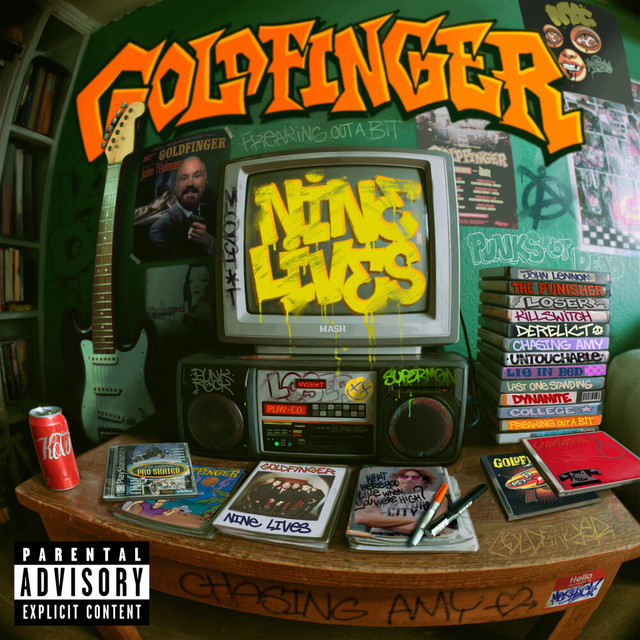
Goldfinger formed in Los Angeles in 1994 and became one of the defining American ska-punk and pop-punk bands of the decade. John Feldmann's songwriting, vocals, and production instincts gave the band a sharp sense of immediacy from the start, with the self-titled debut turning "Here in Your Bedroom" into a scene staple. Hang-Ups expanded the band's identity through "Superman," a song whose life in skate and video-game culture helped Goldfinger reach listeners far beyond punk venues. Stomping Ground, Open Your Eyes, Disconnection Notice, Hello Destiny, The Knife, Never Look Back, and later singles show a band that has moved between goofy velocity, political urgency, and polished modern pop-punk craft. Feldmann's later production career sometimes overshadows Goldfinger, but the band's catalog remains important because it helped make ska-punk bright, fast, and globally portable. They fit punk scope directly through their style and history. At their best, Goldfinger combine horn-driven bounce, tight guitars, and choruses that feel instantly learned, making the songs work in skateparks, festivals, and small rooms with equal efficiency.
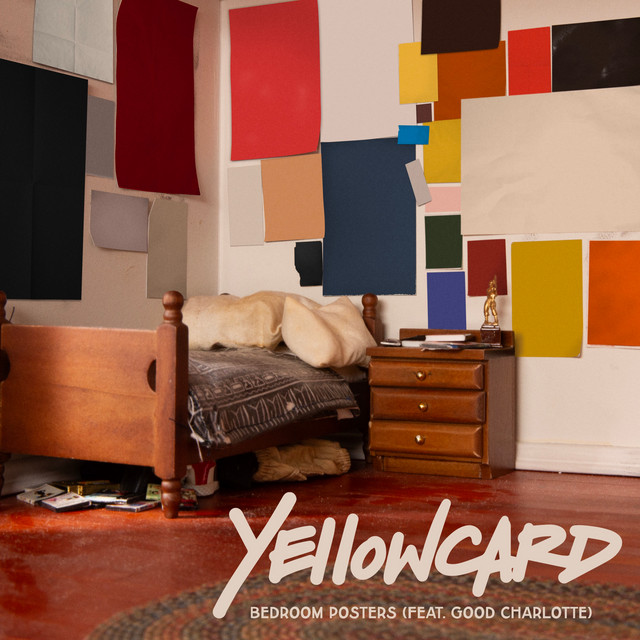
Good Charlotte formed in Waldorf, Maryland in 1996 and became one of the most visible pop-punk bands of the early 2000s by turning outsider resentment, suburban boredom, and family tension into direct, polished rock songs. The Madden brothers gave the band its core personality: Joel's nasal, urgent vocals and Benji's guitar-centered writing made songs such as "Little Things," "The Anthem," "Lifestyles of the Rich and Famous," and "Girls and Boys" instantly readable without losing punk propulsion. The Young and the Hopeless made them a mainstream name, while The Chronicles of Life and Death, Good Morning Revival, Cardiology, Youth Authority, and Generation Rx showed a band willing to mix darker themes, dance-rock gloss, and adult reflection into the original template. Good Charlotte's music is not heavy in a metal sense, but it sits naturally in a punk and alternative rock directory because the best songs keep guitars, speed, and chantable rebellion in the foreground. Their history is also a study in pop punk's mass-cultural reach, where simple hooks carried genuine scene identity.
Enter the Inferno
View all threads →Frequently asked questions
US Metal Index indexes hundreds of US heavy metal bands across every subgenre — death metal, black metal, thrash metal, doom metal, metalcore, hardcore punk, grindcore, sludge, stoner metal, and more. Browse heavy metal bands by genre, city, or state.
Yes — browse US death metal bands in our index. Filter by genre to find death metal, technical death metal, and melodic death metal bands. We also index black metal, thrash metal, doom metal, and all heavy metal bands.
Use the genre filter to browse US black metal bands. We index black metal, atmospheric black metal, and related subgenres alongside death metal, thrash metal, doom metal, and all heavy metal bands.
Browse our index for US thrash metal bands. Filter by genre to discover thrash metal, crossover thrash, and speed metal bands. Our index covers all heavy metal bands including death metal, black metal, doom, and metalcore.
Yes — we index metalcore bands, doom metal bands, and every heavy metal subgenre. Browse US metalcore, doom metal, sludge metal, stoner metal, progressive metal, power metal, and more.
Yes — browse US hardcore punk bands alongside heavy metal bands. We cover hardcore punk, crust punk, D-beat, grindcore, metalcore, and all heavy music subgenres.
Filter by city and state to find heavy metal bands near you. Each band page includes streaming links, genre tags, and upcoming metal concerts. Discover death metal, black metal, thrash, doom, and all heavy metal bands in your area.
Visit our shows page for US metal concerts — death metal shows, black metal concerts, thrash metal shows, doom concerts, and all heavy metal events. Updated daily with ticket links from Ticketmaster and SeatGeek.
US Metal Index is an index of US heavy metal bands — death metal, black metal, thrash metal, doom metal, metalcore, hardcore punk, and all heavy music. Browse bands by genre, find metal concerts near you, and discover the US metal scene.