From Tour Bus Wrecks to Studio Collabs: The Two Faces of the US Metal Grind This Week
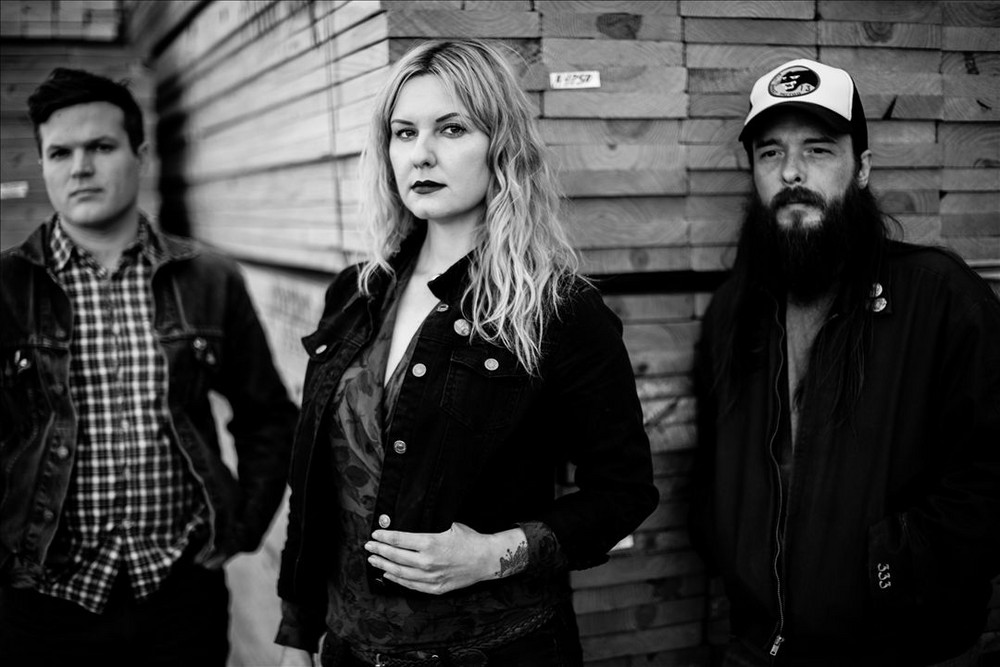
Every so often the news cycle reminds you that touring in heavy music is still, at its core, a physical risk that bands accept every time they load into a van or a bus. This week that reminder came from South Carolina, where Buckcherry's tour bus was involved in a multi-vehicle accident on Interstate 26 in Spartanburg County at roughly 2 a.m. Friday. The band confirmed on social media that all members and crew are safe and unharmed, which is the best possible outcome given the circumstances, but the incident is a gut-check for anyone who romanticizes life on the road. Overnight highway miles, exhausted drivers, and unpredictable traffic are the invisible tax bands pay to keep the US metal scene moving from city to city, and Buckcherry's crew catching a break is worth acknowledging before moving on to anything else.
The road takes a toll in other ways too. Former W.A.S.P. guitarist Chris Holmes has been candid about his prostate cancer battle, recently describing the last two weeks of chemotherapy in France as "probably one of the sickest times" he's ever experienced. Holmes, who's lived in Cannes since 2014, has been leaning on a GoFundMe campaign to cover treatment costs — a stark illustration of how even musicians with decades of recognizable credits can find themselves without a safety net once the touring stops. It's a sobering companion story to the Buckcherry news: one is about the physical danger of being on the road, the other about what happens to the body and the bank account long after the shows end. Both deserve more attention from a scene that too often only shows up for the anniversary tours and reunion hype.
Genre Walls Keep Coming Down
On a lighter note, Turnstile continues to prove that hardcore's biggest crossover success story isn't done blurring lines. The Baltimore band's "Never Enough: Versions," a reimagined companion to their Grammy-winning "Never Enough" album, drops August 28 and features an almost absurd guest list: Elton John, Hayley Williams, Slayyyter, Porches, and, in the pairing nobody saw coming, Maryland brutal death/grind mainstays Dying Fetus. That's not a typo. A band built on blast beats and guttural vocals sharing a tracklist with Elton John says everything about where the boundaries of "metal adjacent" currently sit in 2026. For a genre like brutal death metal that rarely gets mainstream real estate, having one of its most respected acts pulled into a conversation with pop royalty is a genuinely strange and welcome flex.
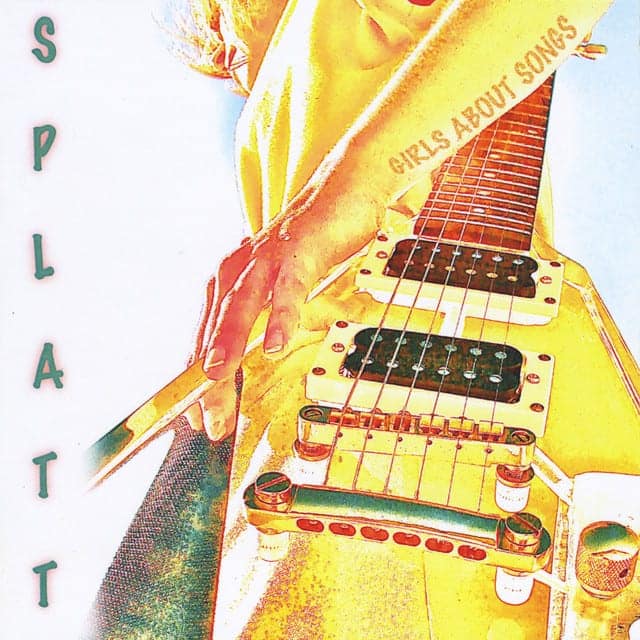
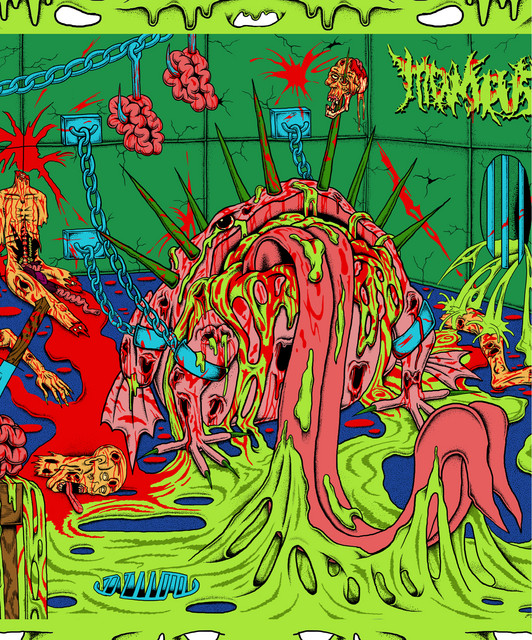
It also throws a spotlight on a corner of the US underground that deserves more ink: brutal death metal has one of the deepest rosters in the country right now, even if the mainstream metal press rarely covers it with the same enthusiasm it gives metalcore or nu-metal revivalism. Bands like Florida brutal death metal outfit Splattered Spine, grindcore-leaning brutal death act Splatt, death metal and grindcore hybrid Moiscus, and brutal death metal crew Putrefaction of Splattered Entrails are grinding it out in clubs and on splits without a fraction of the attention a Turnstile collaboration generates overnight. If Dying Fetus showing up next to Elton John does anything positive, maybe it nudges a few curious listeners toward digging into the deeper, dirtier end of the pool where these bands live.
Deathcore's Small-World Energy
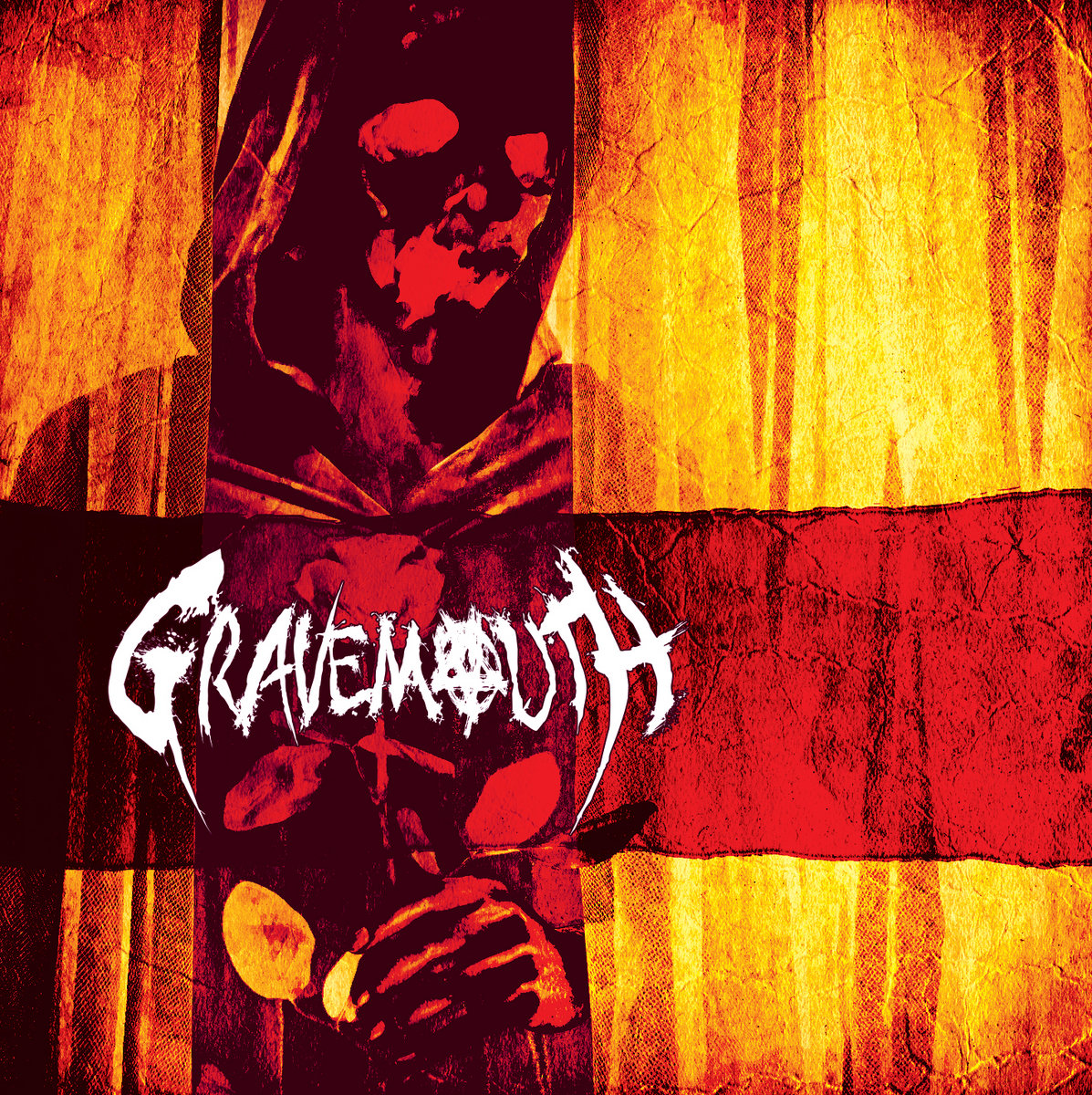
Speaking of unlikely crossovers, Signs of the Swarm are releasing a guest-filled music video for their cover of Rob Zombie's "Dragula," and the credits read like a deathcore family reunion: members of Lorna Shore, August Burns Red, and 156/Silence all showed up for the shoot, alongside Bam Margera. It's a fun reminder that the modern deathcore and metalcore scenes function like a tight-knit union hall — everybody's played the same festivals, toured the same circuits, and knows exactly who to call when it's time to reimagine a genre-defining industrial metal classic. Industrial metal and hard rock icon Rob Zombie wrote "Dragula" as a slab of horror-movie groove metal for the ages, and watching a new generation of heavier bands claim it as their own says something about how durable his catalog remains. For fans of deathcore who want a regional entry point, death metal and deathcore band Gravemouth is worth tracking as part of that same lineage of brutal, breakdown-heavy songwriting built for exactly this kind of communal chaos.
The metalcore and post-hardcore adjacent world has always thrived on this kind of collaborative spirit, and it's worth remembering that the lineage runs back through acts like gothic punk and post-hardcore veterans AFI, who helped normalize genre-blending for an entire generation of heavier bands, and deathcore and metalcore mainstays Emmure, whose entire career has been built on refusing to stay in one lane. When Signs of the Swarm pulls from horror-rock, deathcore, and mainstream metalcore all in one video, it's following a playbook that's been building for two decades.
The 80s Never Really Left
Meanwhile, the conversation about what actually built the modern metal business got a jolt from Def Leppard guitarist Phil Collen, who told Detroit's WRIF that producer Robert "Mutt" Lange was responsible for "probably about 99%" of the band's success in the 1980s. That's a wild admission from a member of one of the best-selling rock bands of the era, but it's also a useful history lesson for younger bands trying to figure out how songs actually become inescapable radio staples. Lange's fingerprints are all over the DNA of what people now casually call "80s metal bands" — the massive drum sounds, the vocal stacking, the almost obsessive attention to hooks. If you're chasing the sound of the best heavy metal songs from that decade, Collen's comments are a reminder that production choices mattered just as much as riffs.
That kind of legacy still casts a long shadow over touring rosters in 2026. Jefferson Starship, currently out with Deep Purple, just dropped a new single called "Jetpack" that the band says captures the adventurous spirit of their catalog, while Rival Sons guitarist Scott Holiday is carving out solo territory with his HOL1D4Y project and the new single "Autonomatic." Swedish traditional metal lifers Wolf, meanwhile, are gearing up for their tenth album with a first single, "Death Satellite," that leans hard into the kind of vintage NWOBHM-inspired songwriting that keeps heavy metal and NWOTHM revivalists busy. None of these are US bands, but they're all part of the same conversation American fans are having about which eras of metal deserve reissues, tribute tours, and renewed respect.
Post-Grunge Holds Its Ground
Closer to home, Puddle of Mudd released the official music video for "Win Win Win," off their "Kiss the Machine" album from Pavement Entertainment. Wes Scantlin's band has weathered more lineup drama and tabloid attention than almost any other post-grunge act of their era, but the fact that they're still putting out videos and albums in 2025 says something about the stubborn staying power of that early-2000s alt-metal sound. It's not cutting-edge, but it's a reminder that entire subgenres considered "over" by critics still have working bands and paying fans.
Doom and Gloom, Done Right
On the underground end of things, Metal Injection is offering an exclusive vinyl color variant of Messa's "The Spin," which they're calling one of the best records of the year for its blend of goth atmosphere and doom weight. It's exactly the kind of release that deserves a spot in any serious conversation about the best metal albums of all time being written right now rather than decades ago. If Messa's fusion of doom and goth is your speed, there's plenty to explore regionally too — doom metal act Altered States, experimental funeral doom project Eternal Fortification, and stoner and doom outfit True Widow all mine similar heavy, atmospheric territory without ever chasing trend cycles.
Between tour bus scares, cancer battles, unlikely genre mashups, and vinyl variants for the doom faithful, this week is a decent snapshot of where the US metal scene actually lives — equal parts danger, resilience, and creative weirdness. If you're a band trying to find your place in that mix, check upcoming shows in your area or submit your band to get on the radar before the next wave of touring announcements for 2026 rolls in.