Billion-Stream Riffs, Comeback Tours, and the AI Question: How US Metal Is Wrestling With Its Own Legacy in 2026
There's a strange kind of magic happening in the streaming numbers this year, and it says as much about where American metal is headed as it does about where it's been. System Of A Down just watched a fourth song cross the one billion plays mark on Spotify, joining a run of catalog milestones that also saw tracks from Ozzy Osbourne, AC/DC, and Led Zeppelin hit the same threshold in recent weeks. That's not a coincidence — it's a signal. Streaming algorithms, TikTok resurgences, and a new generation discovering "Chop Suey!" for the first time are colliding with the aging of classic rock radio, and the result is a strange flattening of eras. A teenager in Ohio might hear System Of A Down and Led Zeppelin back-to-back on the same playlist without registering the three decades between them. For a regional scene built on the backs of bands who grew up idolizing exactly these acts, it's a reminder that the "best heavy metal songs" conversation never actually closes — it just keeps adding chapters.
Rush's Comeback and the Ghost in the Room
Speaking of legacy acts refusing to fade, Rush's "Fifty Something" tour keeps generating headlines for reasons beyond the setlist. In a recent radio interview, Geddy Lee was asked point-blank whether he's felt any sign that Neil Peart is "with" the band as they play these shows — the first Rush tour since Peart's passing in 2020. It's a heavy question to lob at a working musician mid-tour, but it speaks to something real: audiences aren't just showing up for nostalgia, they're showing up to process grief collectively, in arenas, the way metal and rock fans have always done. Lee and guitarist Alex Lifeson have separately talked about being stunned by the reaction to these shows, and even floated the possibility of new music down the line. For American fans who caught the tour's launch in Los Angeles back in June, it's proof that the 80s metal bands and prog-adjacent legends who built the foundation of hard rock still have pull that new metal bands 2026 acts are still chasing.
That thread of honoring the players who built this sound runs elsewhere too. Drummer Brent Fitz — known for his work with Slash and Canadian rockers Triumph — just had a stretch of street in his old Winnipeg neighborhood named after him. It's a small, local gesture, but it underlines something the US scene should take note of: the session players, the road-dog drummers who never got their name on the marquee, are finally getting their flowers. Every regional scene has a Brent Fitz — the guy who's played five hundred rooms and made everyone else sound better. Worth remembering next time you're scanning upcoming shows for a support act you don't recognize.
Bloodstock 2027 Already Has Americans Circled on the Calendar
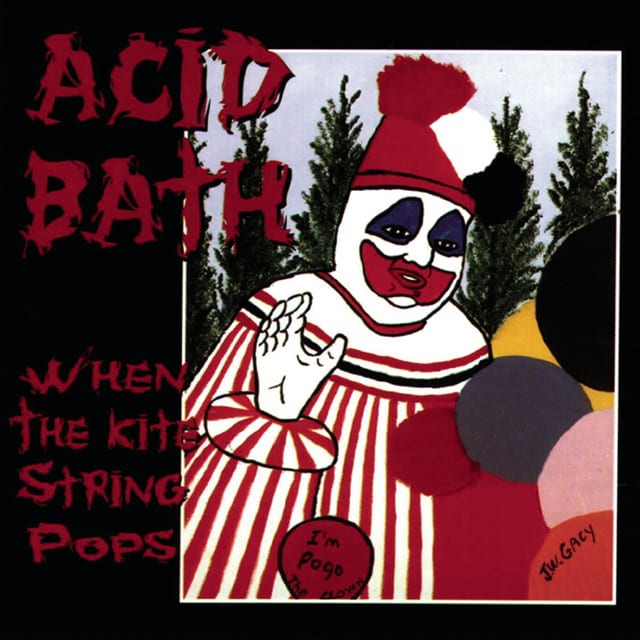
UK festivals booking two years out used to be a novelty; now it's just how the business works. Bloodstock Open Air has already announced its 2027 headliners — Mercyful Fate, Electric Callboy, and Motionless In White — with Children of Bodom, Dethklok, Madball, and Acid Bath also confirmed. For a US audience, that's a lineup worth paying attention to. Motionless In White has carried the American metalcore-meets-industrial banner overseas for years, Dethklok remains the strangest and most enduring metal export this country has ever produced (a cartoon band that tours like a real one), and Madball's presence is a reminder that NYC hardcore's DNA is permanently spliced into extreme metal's family tree. Acid Bath, resurrected and touring again, brings sludge's Louisiana swamp-rot pedigree to a European stage that's spent thirty years catching up to what that band actually did.
It's the kind of bill that makes the case for hardcore and metalcore as genuinely global metal exports, not just domestic club-circuit staples. Bands like the hardcore-rooted Stick To Your Guns and the crossover thrash outfit Drain have built their reputations on exactly this kind of pipeline — US hardcore and thrash energy translating directly onto European festival stages, no dilution required. If Bloodstock is booking two years ahead and still leaning on American hardcore-adjacent acts to fill headliner and mid-card slots, that tells you the demand isn't slowing down. Worth keeping an eye on the domestic circuit too, since bands chasing that same trajectory are playing rooms across this region right now — check upcoming shows before they're the ones getting booked for 2028.
The AI Question Metal Can't Avoid Anymore
Ronnie Romero — the Chilean-born, now globally in-demand vocalist known for his work with Ritchie Blackmore's Rainbow and Michael Schenker — waded into a debate that's been simmering under metal's surface for a couple of years now: artificial intelligence as a music-making tool. Romero's take is measured, and worth sitting with. He called AI "an incredible tool" but was equally clear that "technology will never be able to completely replace the human element." That's not a dodge — it's the exact tension every serious musician is navigating right now. Metal, more than almost any other genre, has always sold itself on human effort as spectacle: the blast beat a drummer's body can barely sustain, the scream that costs a vocalist's throat something real, the technical precision a guitarist spent a decade earning. Bands built around exactly that kind of virtuosity — California's technical death metal outfit Fallujah among them — represent the counterargument to AI-generated everything almost by existing. You can't fake the years it takes to play like that, and audiences know the difference even when they can't articulate it. As more new metal bands 2026 acts enter a marketplace flooded with AI-assisted production tools, Romero's framing — tool, not replacement — might be the healthiest way for the scene to metabolize this without losing its nerve.
Independent Spirit, Old and New
On the DIY front, (hed) p.e. just launched their own label, Creator One Records, dropping the new single "Violent Girl" as the christening track. Three decades into a career built on smashing punk, metal, hip-hop, and hard rock together without asking permission, the California crew going fully independent feels less like a pivot and more like the natural endpoint of how they've always operated. It's a model worth watching — legacy bands increasingly bypassing labels entirely once they've built the audience to do so, keeping master rights and creative control in-house. Regional bands grinding through the same DIY playbook, cutting singles and building followings one show at a time, are living out a smaller-scale version of the exact same story. If that's you, get on the radar — submit your band and get counted.
Nostalgia Corner and the Deep Cuts
A few other threads worth flagging this week: Moonspell's "Irreligious" just hit its 30th anniversary, and the retrospective praise for how gloomy and monolithic it still sounds is a good reminder that gothic metal's back catalog holds up better than people give it credit for. Hyro The Hero dropped a new track paying tribute to the chaos of Woodstock '99's nu-metal moments — Korn, Fred Durst, Rage Against the Machine — proof that the genre's messiest, most maligned era is finally getting a clear-eyed, affectionate reappraisal rather than just ridicule. And Stanley Simmons, the KISS-legacy project from Evan Stanley and Nick Simmons, dropped their sixth single "Lilith" off their debut record — a reminder that the second-generation rock lineage in this country is still actively making new music, not just cashing checks on their fathers' catalogs.
Add in Left To Suffer's gory new video for "Unwelcome Guest," LA heavy psych outfit Deathchant teasing their new album "Kova" with the crusher "Enemy," and Styx locking in the full schedule for their 2026 beach weekend down in Florida, and you've got a US scene running in about six directions simultaneously — legacy acts cashing in decades of goodwill, hardcore and thrash bands exporting American aggression overseas, and a fresh crop of independent labels and bedroom producers figuring out how to survive an AI-adjacent future without losing the sweat and blood that made this music worth defending in the first place. That's the job now: keep the riffs human, keep the scene loud, and keep showing up.