Legacy Acts Resurface and Hardcore Tensions Explode: Rush Returns, Venom Celebrates, and Festival Tragedies Shake the American Heavy Music Landscape
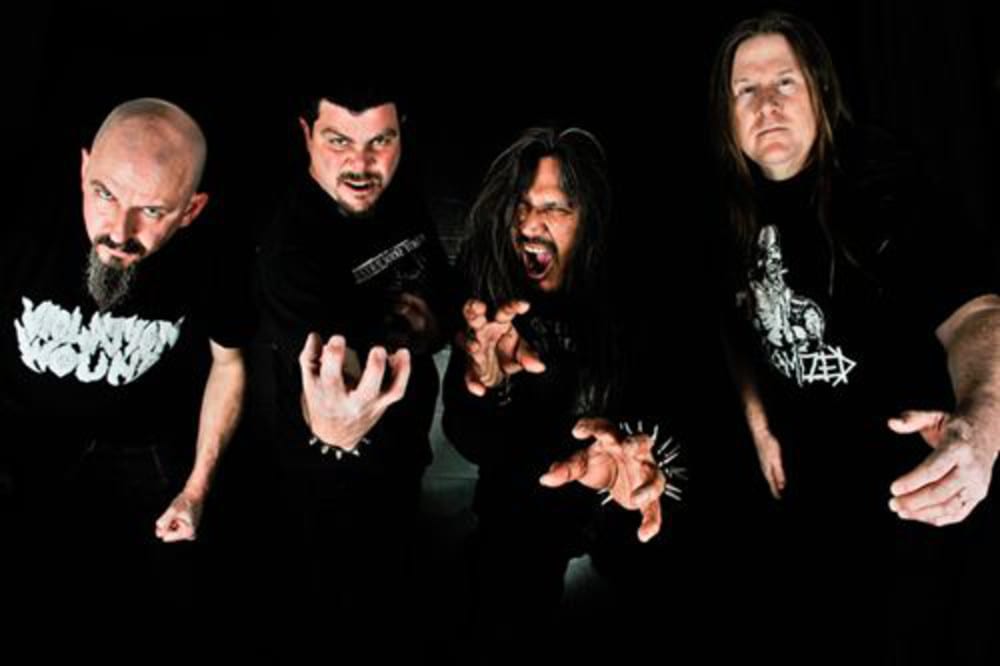
The heavy music world experienced seismic shifts this week as legendary acts emerged from extended hiatus while hardcore punk tensions reached dangerous new heights at American festivals. From Los Angeles arenas to East Coast pit violence, the contrast between celebration and controversy has never been more stark.
Rush Breaks Decade-Plus Silence with Historic Los Angeles Return
After eleven years away from the stage, Canadian prog-rock titans Rush launched their ambitious "Fifty Something" tour at The Forum in Los Angeles, marking their first live performances since the devastating loss of drummer Neil Peart. The four-night Forum residency represents more than just a return – it's a testament to the enduring power of progressive rock's most influential trio to draw massive American audiences despite their extended absence.
The significance of this moment cannot be overstated for the broader heavy music community. Rush's influence on American metal bands spans generations, from early progressive metal pioneers to modern technical death metal acts. Their return validates the lasting appeal of complex, technically demanding music in an era often dominated by simpler formulas. For venues across the United States, Rush's successful comeback signals that patient fans will wait years for their heroes to return, creating opportunities for other veteran acts contemplating their own resurrections.
The choice of new drummer Anika Nilles adds another layer of intrigue to this comeback narrative. Known for her technical prowess and innovative approach, Nilles represents a bold creative choice that could influence how other legacy acts approach personnel changes. This decision resonates particularly strongly with American progressive metal bands who face similar challenges when replacing irreplaceable members.
Kittie's North American Domination Continues Resurgence Trend
Canadian metal veterans Kittie launched their first full North American headlining tour in over a decade, kicking off at The Pageant in St. Louis with their "Legacy Of Fire Tour: 30 Years Of Kittie" celebration. The band's return to American stages reflects a broader resurgence of veteran extreme metal acts finding renewed success after extended periods away from touring.
The timing of Kittie's return coincides perfectly with renewed interest in aggressive female-fronted metal across the United States. Their influence on American bands is undeniable, and their current success validates the market demand for seasoned extreme metal acts. The use of stand-in bassist Rachel Gonzales demonstrates the professional approach these veteran acts bring to modern touring, ensuring shows proceed despite lineup challenges.
For American promoters, Kittie's successful return tour provides valuable data about the viability of booking veteran extreme metal acts for extended runs. Their ability to sell out venues after a decade away suggests that fan loyalty in the heavy music community runs deeper than many industry observers assumed.
Venom Celebrates Four Decades While American Metal Honors Its Roots
The 45th anniversary celebration of Venom's groundbreaking "Welcome To Hell" at this year's Pitfest featured founding members Mantas and Abaddon joined by special guests including former Morbid Angel vocalist David Vincent. This milestone celebration highlights how foundational extreme metal releases continue to resonate with American audiences decades after their initial impact.
The participation of David Vincent in these anniversary festivities underscores the deep connections between British extreme metal pioneers and American death metal legends. Vincent's involvement bridges generations and continents, demonstrating how the global metal community maintains its interconnected nature despite geographic boundaries. For American death metal bands, these collaborations provide direct links to the genre's most influential figures.
Anniversary celebrations like this one create opportunities for American promoters to book unique collaborative events that appeal to multiple generations of metalheads. The success of such ventures encourages more ambitious programming that honors metal history while creating new experiences for contemporary audiences.
Festival Violence and Hardcore Punk Controversies
The same Pitfest that celebrated Venom's legacy was cut short following a fan's death during Gorilla Biscuits' set, sparking renewed debate about festival safety and hardcore punk culture. The incident prompted Cro-Mags' Harley Flanagan to publicly criticize crowd killing behavior, calling it "childish" and highlighting growing tensions within the hardcore community.
These developments reflect broader challenges facing American hardcore and punk festivals as they attempt to balance authentic scene culture with safety requirements. The hardcore punk revival has brought increased mainstream attention to traditionally underground events, creating situations where inexperienced attendees encounter aggressive pit behavior without understanding the unwritten rules that govern these spaces.
Flanagan's public stance against excessive crowd violence carries significant weight given his legendary status within the hardcore community. His criticism suggests that even scene veterans recognize the need for cultural change to ensure festivals can continue operating safely. For American promoters booking hardcore punk acts, these incidents highlight the importance of security planning and crowd education.
The contrast between festival celebration and tragedy at the same event encapsulates the complex challenges facing the American heavy music festival circuit. Organizers must navigate between preserving authentic scene culture and meeting modern safety standards, particularly as insurance costs and liability concerns continue to rise.
American Extreme Metal Tours Continue Despite Challenges
While festival controversies dominated headlines, American extreme metal touring continued with notable success. New Jersey deathcore powerhouse Fit for an Autopsy maintained their position on major touring packages, demonstrating how American extreme metal bands can achieve sustained success in an increasingly challenging live music environment.
The ongoing success of American deathcore and progressive deathcore bands on major tours validates the global appeal of these distinctly American subgenres. These tours provide crucial exposure for developing bands while proving that extreme music can succeed in larger venues when properly promoted and packaged.
Industry Developments and Gaming Integration
The announcement of "Stage Tour," a spiritual successor to Guitar Hero and Rock Band featuring artists like Ghost, Red Hot Chili Peppers, and BABYMETAL, signals renewed industry interest in music gaming integration. For American metal bands, these platforms represent additional revenue streams and exposure opportunities that could prove crucial as traditional music industry models continue evolving.
The inclusion of diverse metal acts in gaming platforms helps legitimize heavy music within mainstream entertainment contexts. This development could create new pathways for American metal bands to reach audiences who might not otherwise encounter extreme music through traditional channels.
Looking Forward: Lessons from Legacy Acts
The week's events highlight how legacy acts continue shaping the American heavy music landscape through their choices about touring, collaboration, and cultural leadership. Rush's successful return validates patient approaches to career management, while Flanagan's stance on crowd violence demonstrates how veteran voices can influence scene culture.
For emerging American bands, these developments provide valuable case studies in career longevity, crisis management, and community responsibility. The contrast between Rush's triumphant return and Pitfest's tragic conclusion illustrates how quickly celebration can turn to controversy in the heavy music world.
As the summer festival season continues, American promoters and bands must balance authentic scene culture with evolving safety requirements, learning from both the successes and failures that have defined this pivotal week in heavy music history.