Healing Through Heavy: August Burns Red's Trauma Recovery Journey and GWAR's Cancer Battle Unite Metal Community Around Health
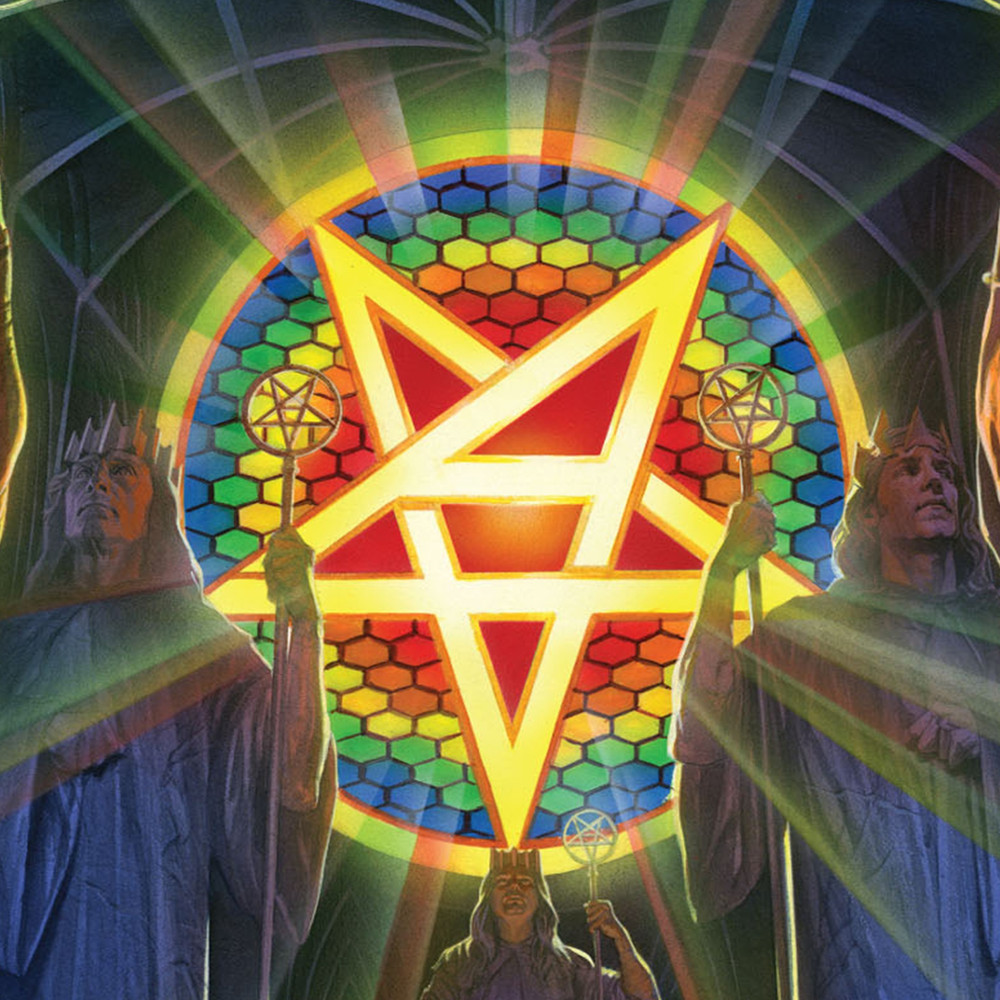
The American metal scene is confronting profound questions about trauma, healing, and community support as two major developments reshape conversations around mental and physical health within heavy music. August Burns Red's latest album explores the complex process of overcoming trauma, while Virginia shock rock legends GWAR rally the metal community around a founding member's cancer diagnosis through a nationwide blood donation campaign.
August Burns Red Examines Trauma Recovery Through Metalcore
Pennsylvania metalcore veterans August Burns Red are asking difficult questions about healing and trauma recovery with their eleventh studio album. The band's exploration of what happens when someone chooses to "give the trauma up" represents a significant thematic evolution for a group that has consistently addressed personal struggles through their music. This psychological examination comes at a time when metal musicians across the US metal scene are increasingly open about mental health challenges and recovery processes.
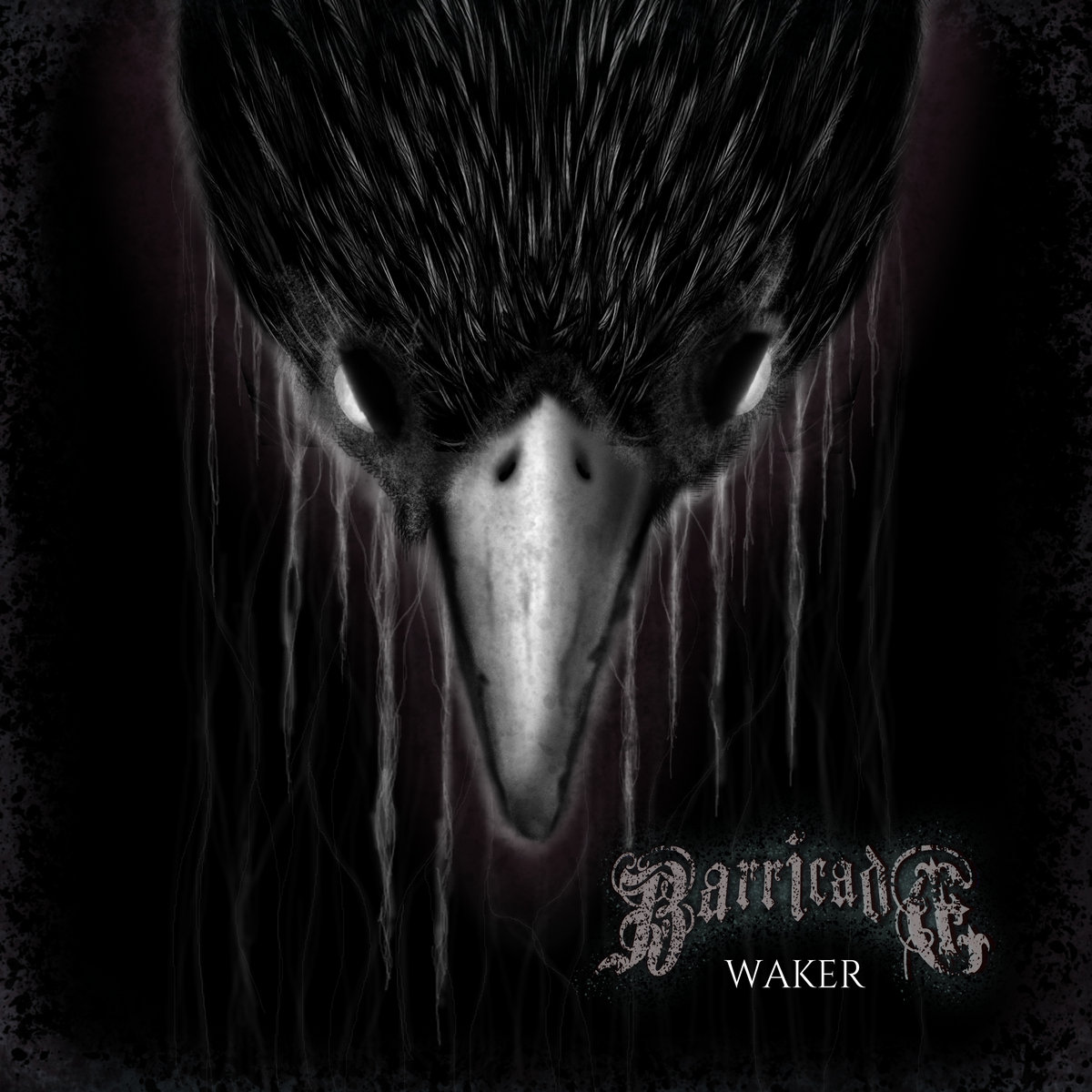
The band's latest single "Sonic Salvation" suggests a sonic approach that matches the album's healing themes. For crossover thrash acts like Barricade and other bands exploring similar territory, August Burns Red's willingness to address trauma recovery directly provides a template for how established acts can evolve their lyrical content while maintaining their musical intensity.
This thematic direction reflects broader trends within American heavy music, where bands are increasingly viewing their platforms as opportunities to address mental health awareness. The metalcore genre, in particular, has become a vehicle for discussing anxiety, depression, and trauma recovery, making August Burns Red's approach both timely and influential for emerging acts.
GWAR Mobilizes Metal Community for Cancer Battle
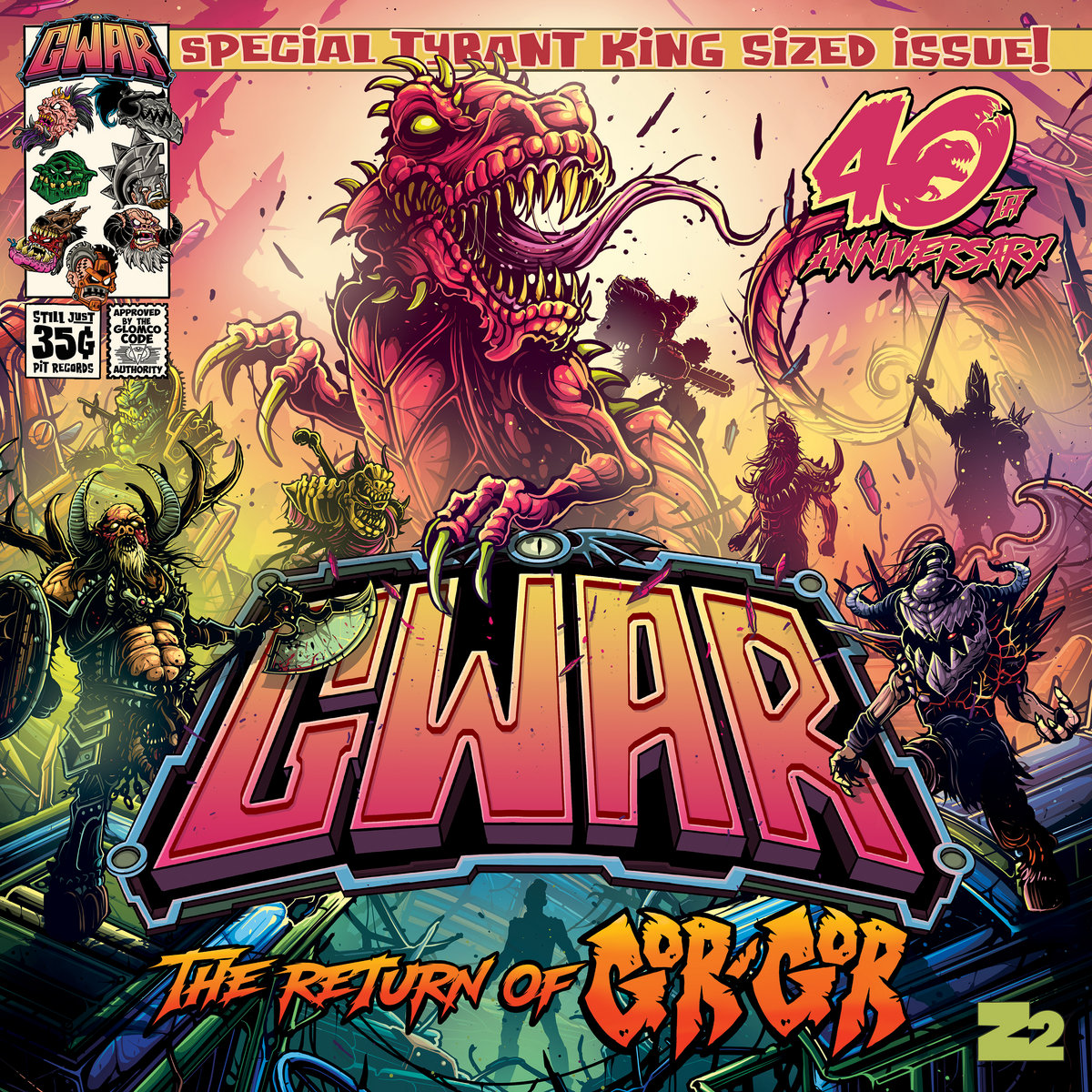
Meanwhile, Richmond's theatrical metal institution GWAR is demonstrating the metal community's capacity for real-world support as they launch a nationwide blood donation effort in response to a founding member's cancer diagnosis. This campaign represents more than typical band merchandise or crowdfunding—it's a direct call for fans to contribute to potentially life-saving medical resources.
GWAR's approach to handling this crisis reflects the band's long-standing relationship with their fanbase, built through decades of touring and community engagement. The blood donation campaign leverages the band's national reach to address genuine medical needs, transforming fan loyalty into tangible health support. For a band known for theatrical performances and shock rock imagery, this serious medical advocacy demonstrates the depth of commitment within metal communities.
The campaign's nationwide scope highlights how established metal acts can mobilize their audiences for causes beyond music. Regional metal scenes across the country are likely to participate in this effort, potentially creating lasting partnerships between metal venues, bands, and medical organizations.
Industry Veterans Navigate New Creative Territories
Beyond these health-focused developments, several veteran musicians are exploring new creative directions that could influence the broader American metal landscape. Former Bring Me The Horizon producer Jordan Fish's signing with Warner Chappell Music suggests major label interest in producers who understand the evolving sound of modern heavy music. Fish's production work has helped shape the contemporary metalcore sound, and his major label deal could facilitate collaborations between established metal acts and mainstream artists.
Similarly, former Ozzy Osbourne guitarist Joe Holmes' new solo album featuring Metallica bassist Robert Trujillo and Faith No More drummer Mike Bordin represents the kind of cross-band collaboration that creates unique musical hybrids. These supergroup-style projects often influence younger musicians and can introduce metal elements to broader audiences.
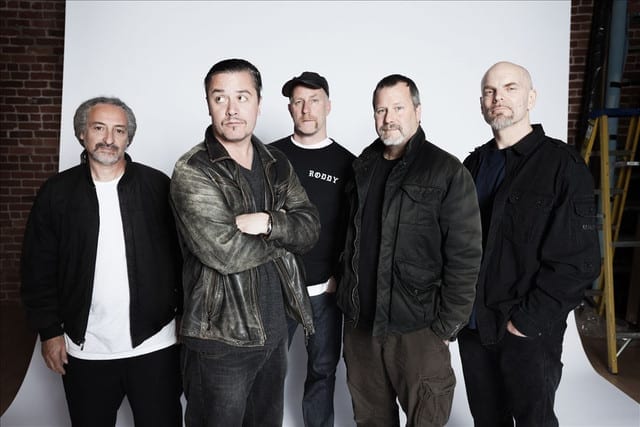
John Bush's plans for European shows celebrating his Anthrax era, combined with confirmation of a second Category 7 album, demonstrates how metal veterans can simultaneously honor their legacy work while pursuing new creative ventures. Bush's dual approach—celebrating past achievements while building new musical partnerships—provides a model for how aging metal musicians can remain relevant without simply repeating earlier successes.
Generational Transitions and Legacy Projects
The metal scene is also witnessing interesting generational transitions, exemplified by Stanley Simmons, the collaborative project featuring the sons of Kiss members Paul Stanley and Gene Simmons. Their latest single "Cellophane" represents how second-generation metal musicians navigate the expectations that come with famous parentage while attempting to establish their own musical identities.
These legacy connections raise questions about authenticity and artistic independence within metal culture. While some fans embrace these familial connections, others question whether such projects earn attention based on musical merit or name recognition. The success or failure of projects like Stanley Simmons could influence how future second-generation metal musicians approach their careers.
Theory of a Deadman's announcement of their "Part 1: Funeral Songs" EP demonstrates how established rock acts are adapting to changed industry economics through smaller, more frequent releases rather than full album cycles. This approach allows bands to maintain fan engagement while testing new musical directions without committing to full album concepts.
Fitness and Lifestyle Integration
Biohazard's Evan Seinfeld's launch of Full Metal Fitness represents another trend within metal culture—the integration of health and fitness themes into band member's personal brands. Seinfeld's emphasis on the honest relationship between effort and results in fitness mirrors themes often found in metal lyrics about personal struggle and achievement.
This fitness focus connects to broader conversations about musician health and longevity, particularly relevant as many metal musicians from the genre's formative decades reach middle age. The physical demands of metal performance—from extreme vocal techniques to intensive touring schedules—make health maintenance a practical concern for career sustainability.
Cultural Celebrations and Community Building
The upcoming 20th International Day of Slayer celebration highlights how metal fans create their own cultural traditions outside mainstream holiday calendars. The fact that this fan-created holiday has persisted for two decades demonstrates the organizational capacity and cultural dedication within metal communities.
These grassroots celebrations often serve as focal points for local metal scene activities, bringing together bands, fans, and venues around shared musical appreciation. For newer bands seeking to connect with established metal communities, participating in events like International Day of Slayer provides opportunities to demonstrate scene commitment beyond simply performing shows.
Looking Forward: Health and Community Focus
The convergence of August Burns Red's trauma recovery themes and GWAR's medical advocacy campaign suggests that American metal is increasingly comfortable addressing real-world health challenges through music and community action. This trend could influence how emerging metal bands approach their own lyrical content and fan engagement strategies.
As the US metal scene continues evolving, the balance between traditional heavy music aggression and genuine care for community member wellbeing may define the next phase of American metal culture. Bands that successfully navigate this balance—maintaining musical intensity while supporting fan and musician health—are likely to build the strongest long-term relationships with their audiences.
These developments suggest that the best metal bands of 2026 may be those that combine musical excellence with meaningful community engagement, whether through addressing mental health, supporting medical causes, or creating inclusive spaces for metal fans to process life's challenges through heavy music.