Beyond Genre Boundaries: Emma Ruth Rundle's Metal Collaborations and Blood Incantation's Cinematic Vision Expand American Heavy Music
American heavy music continues to push creative boundaries as artists embrace collaborations that transcend traditional genre limitations. Recent announcements from Emma Ruth Rundle and Blood Incantation demonstrate how today's metal musicians are expanding their artistic reach while maintaining their heavy foundation.
Collaborative Artistry Takes Center Stage
Emma Ruth Rundle's upcoming album represents a masterclass in cross-pollination within heavy music circles. Her new record features contributions from members of Baroness, one of metal's most progressive acts, alongside collaborations with atmospheric artists like Marissa Nadler. This approach reflects a broader trend in American metal where artists are increasingly looking beyond their immediate circles to create something entirely new.
The collaborative spirit extends beyond individual albums into live settings as well. Queens of the Stone Age recently reunited with former bassist Nick Oliveri on stage for the first time in over a decade, demonstrating how established relationships within the heavy music community continue to evolve and resurface in unexpected ways. These reunions often generate significant excitement among fans who witnessed the original lineups during their formative years.
Documentary Storytelling Meets Extreme Metal
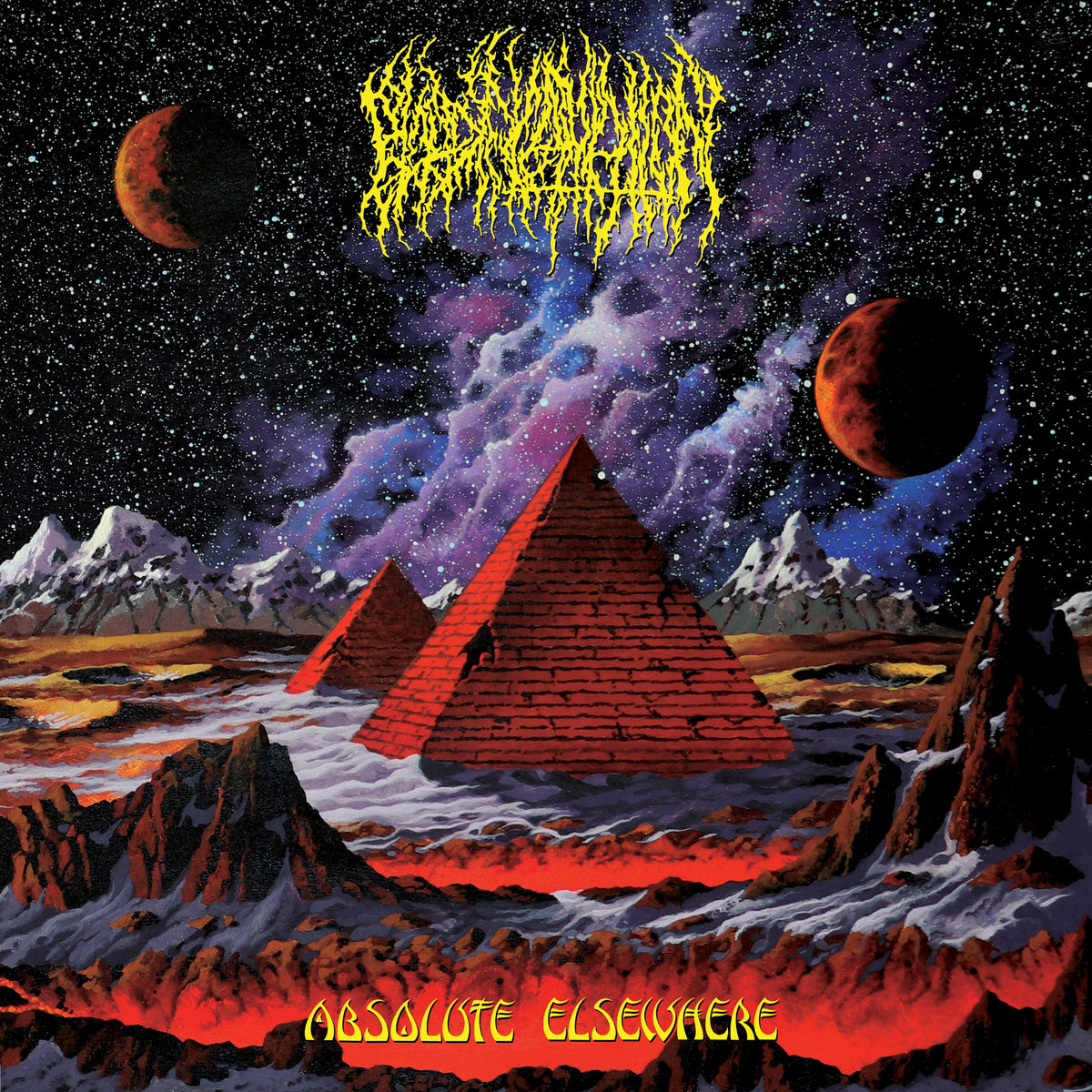
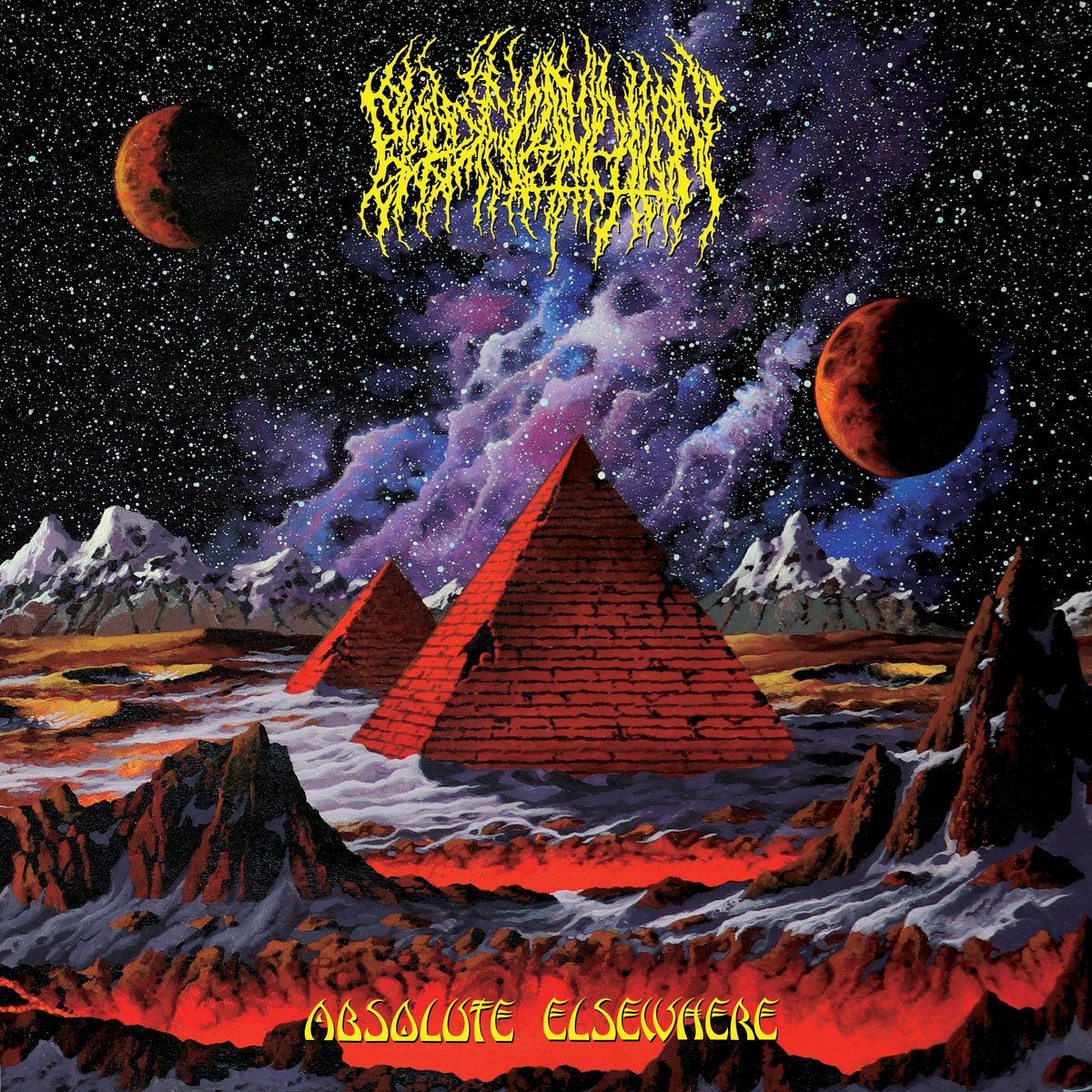
Blood Incantation's upcoming documentary release with accompanying soundtrack marks another fascinating development in how extreme metal bands are expanding their creative output. The combination of visual storytelling with their signature cosmic death metal sound suggests artists are finding new ways to present their music within broader narrative contexts.
This multimedia approach mirrors trends across the US metal scene where bands increasingly view their artistic output as encompassing more than just albums and tours. Visual components, conceptual frameworks, and alternative media formats are becoming integral parts of how American metal acts communicate their artistic vision.
The Sphere Debate and Production Values
Def Leppard's discussion about potentially performing at Las Vegas' Sphere venue highlights ongoing debates within the metal community about balancing spectacular production with musical authenticity. The concern that elaborate production might overshadow the band itself reflects broader conversations happening throughout American heavy music about how technology and spectacle interact with the raw power that defines metal performance.
This tension between innovation and tradition appears frequently as best metal bands from previous decades navigate modern performance expectations while attempting to preserve the essential energy that made them legendary. The challenge becomes maintaining relevance without compromising the fundamental characteristics that originally connected with audiences.
Regional Scenes and National Recognition
The diversity of recent announcements reflects the geographic spread of American metal's creative centers. From coast-to-coast inspiration driving new albums to festival performances that bring together acts from across the country, the interconnected nature of the national heavy music scene becomes increasingly apparent.
Local scenes continue to feed into this broader network, with sludge metal acts like Los Angeles sludge metal pioneers 16 representing how regional sounds eventually influence national conversations. Similarly, doom and black metal scenes across various American cities contribute to the ongoing evolution of extreme music aesthetics and approaches.
The presence of acts spanning from traditional heavy metal to experimental extreme music demonstrates how American metal has become a truly inclusive umbrella encompassing numerous approaches to heavy sound. This diversity creates opportunities for cross-pollination that might not exist in more narrowly defined musical communities.
Anniversary Celebrations and Musical Legacy
The ongoing celebration of influential albums through reissues and special performances indicates how American metal culture increasingly values its historical development. These anniversary projects serve multiple purposes: introducing classic material to newer audiences while allowing longtime fans to experience familiar music in enhanced formats.
Such celebrations also provide opportunities for reflection on how best metal albums of all time continue to influence contemporary artists. The relationship between past achievements and current creativity remains a defining characteristic of how American metal maintains continuity while pursuing innovation.
Festival circuits play crucial roles in these celebrations, bringing together multiple generations of performers and audiences. Events like Welcome To Rockville create spaces where established acts can present both classic material and new developments to diverse crowds representing decades of metal fandom.
Health and Community Support
Recent health-related announcements within the metal community highlight the supportive nature of American heavy music culture. When prominent musicians face serious challenges, the community response often demonstrates the deep connections that exist beyond commercial considerations.
These situations remind everyone involved in heavy music that the relationships formed through shared musical passion extend into genuine human concern. The metal community's response to health crises among its members consistently shows how the aggressive music often correlates with remarkably supportive personal relationships.
Looking Forward: Genre Evolution
The combination of traditional heavy metal elements with experimental approaches suggests that new metal bands 2026 will inherit a landscape where creative freedom is increasingly valued over strict genre adherence. Young musicians entering the scene encounter fewer limitations regarding acceptable musical combinations than previous generations experienced.
This freedom creates both opportunities and challenges. While artists can explore virtually any creative direction, they must also find ways to distinguish themselves within an increasingly diverse field. The most successful emerging acts seem to be those that combine respect for metal traditions with willingness to incorporate unexpected elements.
The American metal scene's continued expansion into multimedia presentations, collaborative projects, and cross-genre experimentation indicates that the definition of "metal" continues to broaden while maintaining connection to the fundamental characteristics that originally defined the genre. This balance between innovation and tradition remains one of the most fascinating aspects of contemporary American heavy music development.
As these trends continue developing, the relationship between local scenes and national recognition becomes increasingly important. Artists who successfully navigate this relationship often find themselves contributing to both their immediate communities and the broader conversation about where American metal is heading in the coming years.