Solo Ventures and Studio Secrecy: Rachel Bolan's Jersey Identity Meets Baroness's Color-Free Future
American metal's relationship with personal identity and artistic evolution takes center stage this month as two distinctly different approaches emerge from opposite ends of the heavy spectrum. Skid Row's Rachel Bolan steps into solo territory with deeply personal New Jersey-rooted material, while progressive metal titans Baroness prepare to enter the studio for their next chapter without their signature color-coded album concept.
Garden State Gargoyle: Bolan's Solo Identity
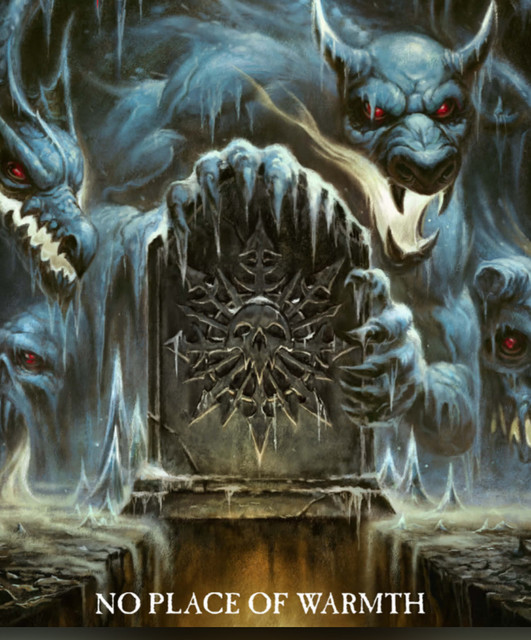
Rachel Bolan's upcoming debut solo album represents more than just a side project—it's a declaration of regional identity that reflects broader trends in American metal's relationship with place and authenticity. "Gargoyle Of The Garden State" signals a fascinating departure from the glam-influenced hard rock that made Skid Row household names, suggesting instead a more introspective exploration of New Jersey's grittier musical landscape.
The choice to release under the simple "BOLAN" banner speaks to the same authenticity drive that's been reshaping American metal for years. This isn't about escaping the Skid Row legacy—it's about expanding it through personal geography and individual artistic vision. New Jersey's metal scene has always carried a particular swagger, from the industrial decay that influenced countless hardcore bands to the working-class ethos that permeates the state's heavy music output.
What makes this particularly relevant to the current US metal scene is how it reflects the growing trend of veteran musicians using solo projects to explore regional identity rather than simply showcase different musical styles. We're seeing this across the country, from Southern metal veterans diving deeper into their regional roots to West Coast musicians embracing their local scenes' particular characteristics.
Beyond Colors: Baroness Charts New Territory
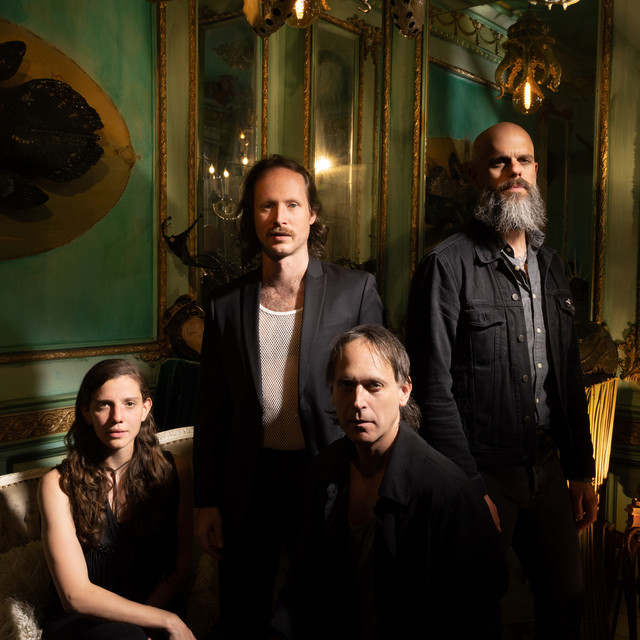
Meanwhile, Baroness preparing to enter the studio represents a different kind of artistic evolution—one that moves away from established patterns rather than deeper into them. The band's color-themed albums have become iconic in progressive metal circles, creating a visual and conceptual framework that's helped define their artistic identity for over a decade.
The decision to move beyond this system suggests confidence in their musical evolution that extends past visual concepts. For a band that's helped define what modern American progressive metal sounds like, this represents a significant creative risk. Baroness has always balanced accessibility with complexity, melody with aggression, and their approach has influenced countless bands in the US metal scene.
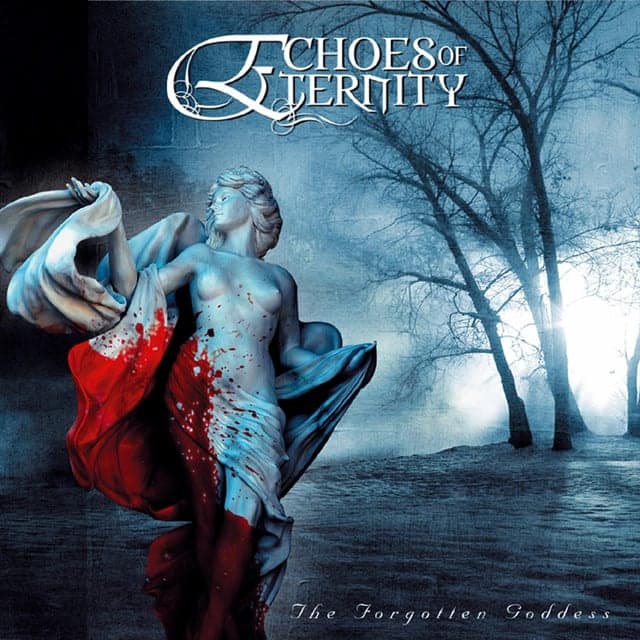
This studio announcement comes at a time when progressive metal continues to evolve rapidly in the United States. Bands like Psycho Face and Echoes of Eternity represent the diversity of approaches within the genre, from technical complexity to atmospheric exploration. Baroness's next move could significantly influence how the genre develops over the next few years.
The Philadelphia Metal Circuit and Live Performance Dynamics
The recent touring activity through Philadelphia, featuring Avatar, Fleshgod Apocalypse, and Frozen Soul, highlights another crucial aspect of the current US metal scene: the importance of diverse billing in maintaining live music's vitality. Franklin Music Hall's hosting of this genre-spanning lineup demonstrates how American venues are adapting to serve multiple metal subcultures simultaneously.
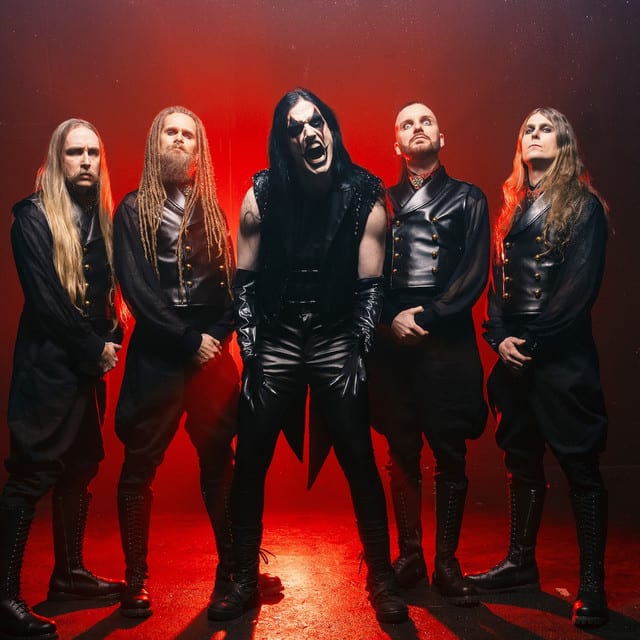
Avatar's theatrical approach, Fleshgod Apocalypse's symphonic brutality, and Frozen Soul's old-school death metal revival represent three distinctly different paths within heavy music. These combinations aren't happening by accident—they reflect a deliberate strategy to expose audiences to genre diversity while maintaining commercial viability for touring packages.
This approach has become increasingly important as the US metal scene fragments into more specialized subgenres. Successful tours now require careful balancing of different metal styles to capture broader audiences while respecting each band's artistic integrity. Philadelphia's position as a crucial stop on East Coast touring circuits makes these combinations particularly influential for how other markets approach metal programming.
Veteran Reinvention and Catalog Preservation
Night Ranger's announcement of newly remixed and remastered versions of their classic material represents another trend shaping American metal and hard rock: the increasing sophistication of catalog management. This isn't simple nostalgia marketing—it's about preserving and enhancing musical legacies using modern technology while respecting original artistic intent.
The best metal bands of all time didn't achieve that status accidentally, and maintaining their relevance requires constant attention to how their music translates across different technological eras. Night Ranger's approach of combining classic material with contemporary production techniques offers a model that many American metal veterans are exploring.
This trend connects directly to broader discussions about how metal's history gets preserved and presented. From 80s metal bands updating their classic albums to newer acts learning from these approaches, the relationship between past and present continues to evolve. The US metal scene benefits from this sophisticated approach to its own history, creating opportunities for both rediscovery and education.
Studio Innovation and Collaborative Evolution
YES's progressive rock innovations, while not strictly metal, influence how American metal bands approach studio experimentation and compositional complexity. Their 24th studio album represents the kind of creative longevity that inspires metal musicians across generations. The collaborative aspects of their current lineup—spanning different eras of the band's history—offer insights into how American metal bands might manage lineup changes while maintaining artistic consistency.
The influence of progressive rock on US metal scene development cannot be overstated. Bands across the country, from technical death metal acts to post-metal experimentalists, draw from these foundational approaches to composition and arrangement. Styx's orchestral collaborations similarly demonstrate how American heavy music continues expanding its collaborative possibilities.
Underground Momentum and Future Directions
While headline acts capture attention, the real strength of the US metal scene lies in its underground diversity. New metal bands in 2026 will emerge from local scenes that are increasingly sophisticated in their approach to both musical development and business strategy. The success of bands like Baroness provides roadmaps for how underground acts can build sustainable careers without compromising artistic vision.
Metal bands touring in 2026 will operate in an environment shaped by these current developments—from Rachel Bolan's regional identity exploration to Baroness's willingness to abandon successful formulas. The best heavy metal songs continue emerging from this combination of individual artistic vision and collective scene development.
The US metal scene's current health stems from its ability to support both veteran reinvention and emerging talent development. From progressive metal innovators to hardcore punk revivalists, American heavy music continues demonstrating that authenticity and evolution aren't mutually exclusive—they're complementary forces driving the scene forward.
Stay connected with the evolving US metal scene through our coverage of local bands and upcoming shows across the region.