Return of the Titans: Anthrax's Decade-Long Silence Ends While Periphery and Jungle Rot Drive Genre Innovation

The American metal landscape is experiencing a seismic shift as legendary thrash titans prepare to break their decade-long recording silence while progressive and death metal acts continue pushing boundaries. This convergence of veteran resurgence and genre evolution represents a pivotal moment for the US metal scene, with established legends proving their continued relevance alongside innovative acts reshaping heavy music's future.
Anthrax Breaks the Silence
After ten years away from the studio, thrash metal pioneers Anthrax have finally announced their return with "Cursum Perficio," marking one of the most significant comeback stories in recent metal history. The band's extended absence from recording—their longest gap since formation—has only heightened anticipation among fans who've watched the best metal bands of the 1980s struggle to maintain relevance in an increasingly crowded landscape.
The limited vinyl release strategy, with only 300 exclusive variants available, reflects how even veteran acts are adapting to modern collector culture and boutique marketing approaches. This scarcity model has become increasingly common among both legacy acts and emerging artists, transforming physical releases into coveted artifacts rather than mass-market commodities.
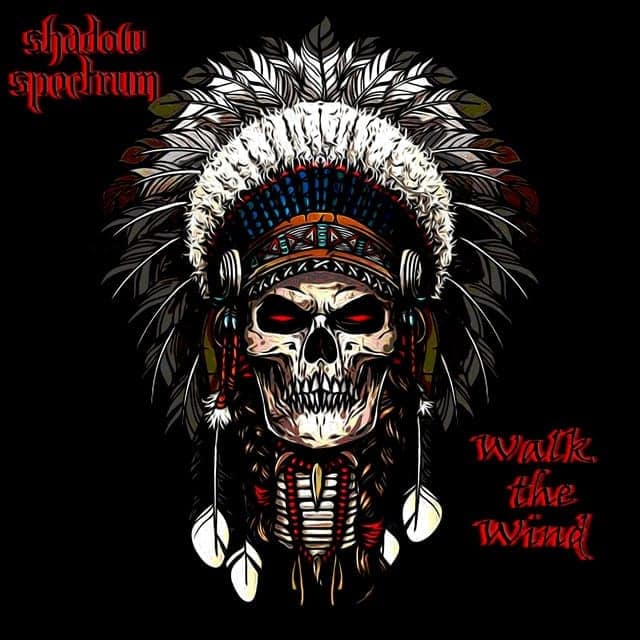
Anthrax's return comes at a crucial time for American thrash metal, as bands like Shadow Spectrum and Erebus continue carrying the torch with modern interpretations of classic formulas. The veteran band's ability to maintain their edge after such an extended hiatus will likely influence how other 80s metal bands approach their own creative renewals.
Progressive Excellence and Death Metal Persistence
While Anthrax prepares their comeback, Periphery continues demonstrating why they remain at the forefront of American progressive metal innovation. Their latest output showcases the technical prowess and compositional sophistication that has made them leaders in the djent movement, influencing countless bands across the progressive spectrum.
The progressive metal scene's current strength extends beyond individual releases to encompass a broader ecosystem of technical innovation and creative risk-taking. Bands are increasingly comfortable blending elements from jazz, electronic music, and classical composition into their heavy frameworks, creating sounds that would have been unimaginable during the genre's early development.
Meanwhile, Jungle Rot continues their relentless assault on the death metal underground, proving that consistency and authenticity remain powerful forces in extreme music. Their latest material demonstrates how American death metal veterans can maintain their core identity while subtly evolving their approach, avoiding both stagnation and radical departure from established strengths.
The death metal community's support for acts like Jungle Rot reflects a broader appreciation for bands that prioritize substance over flash, technical skill over gimmickry. This authenticity resonates particularly strongly with American audiences who've grown skeptical of overly produced or artificially enhanced performances.
Cross-Pollination and Collaborative Spirit
The current landscape also reveals fascinating cross-genre collaborations and unexpected partnerships. Alissa White-Gluz's Blue Medusa project represents the kind of creative cross-pollination that defines modern metal's most exciting developments, as artists refuse to be confined by traditional genre boundaries or single-band commitments.
These multi-project approaches allow established performers to explore different facets of their creativity without abandoning successful formulas. White-Gluz's work demonstrates how modern metal vocalists can maintain multiple artistic identities simultaneously, each serving different creative needs and audience expectations.
The collaborative spirit extends to unexpected covers and tribute projects, as evidenced by various artists tackling classic material with contemporary approaches. These reinterpretations serve dual purposes: introducing younger audiences to foundational songs while allowing modern artists to demonstrate their range and pay homage to influences.
Metallica's Continued Dominance and Legacy Debates
Metallica remains the undisputed kings of American metal, with their recent activities generating headlines and breaking attendance records internationally. Their continued success decades after formation demonstrates the enduring power of the best heavy metal songs and the importance of maintaining connection with core audiences while attracting new fans.
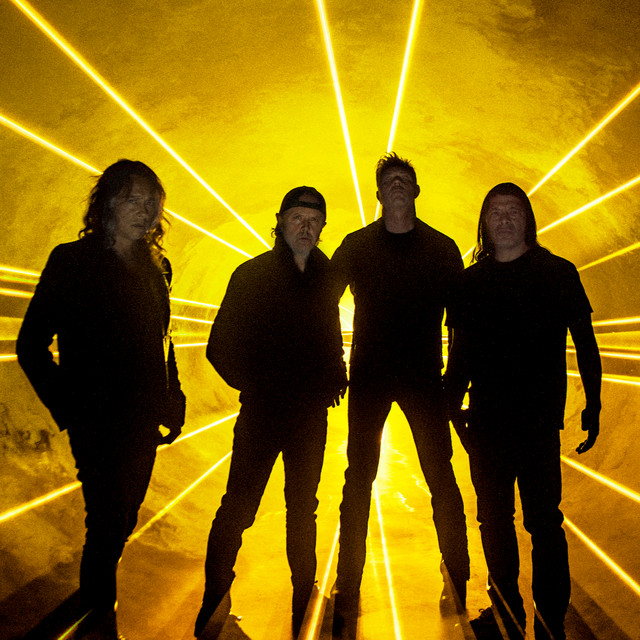
The ongoing debates surrounding their catalog—particularly discussions about potential remixes of classic albums—highlight how legacy acts must balance preservation of their artistic heritage with fan expectations and technological possibilities. These conversations reflect broader tensions within the metal community about authenticity, historical accuracy, and the role of modern production techniques in presenting classic material.
Metallica's approach to touring and fan engagement has influenced countless bands across all subgenres, establishing templates for how veteran acts can maintain relevance without compromising their core identity. Their success provides a roadmap for other bands navigating the challenges of extended careers in an rapidly changing industry.
Underground Innovation and Genre Evolution
Beyond the headlines and major releases, the American underground continues generating innovative sounds that will likely influence mainstream metal in coming years. Bands working in blackened death metal, progressive sludge, and experimental doom are pushing boundaries in ways that recall the genre's most revolutionary periods.
The current underground scene's strength lies in its diversity and willingness to experiment with unconventional song structures, unusual instrumentation, and non-traditional recording approaches. These innovations often emerge from regional scenes before spreading nationally, creating a constant flow of fresh ideas and approaches.
Acts like Vin represent this experimental spirit, combining avant-garde elements with extreme metal fundamentals to create sounds that defy easy categorization. This willingness to blur genre lines reflects broader cultural shifts toward hybrid identities and cross-disciplinary thinking.
Looking Forward
As we move deeper into 2026, the American metal scene appears healthier and more diverse than it has been in years. The combination of veteran comebacks, progressive innovation, and underground experimentation creates multiple entry points for new fans while satisfying longtime devotees' desire for both familiarity and novelty.
The new metal bands 2026 landscape benefits enormously from this diversity, as emerging acts can draw inspiration from multiple generations and subgenres simultaneously. The result is a creative environment where innovation and tradition coexist productively, each informing and strengthening the other.
For fans seeking to explore this rich landscape, checking out upcoming shows provides opportunities to experience both legendary acts and emerging talent in live settings where metal's power is most evident. The live experience remains central to metal culture, offering something that streaming and digital consumption cannot replicate.
The current moment represents both culmination and beginning—veteran acts proving their continued relevance while new voices prepare to inherit and transform the genre's legacy. This dynamic tension ensures that American metal will continue evolving while maintaining connection to its foundational principles and most powerful expressions.