Festival Juggernauts and Venue Casualties: Milwaukee Metalfest's Stacked 2026 Lineup Contrasts Brooklyn's Live Music Infrastructure Loss
The American metal landscape is experiencing a tale of two extremes this week, as festival announcements reach new heights while live music infrastructure faces devastating losses. Milwaukee Metalfest's massive 2026 lineup reveals the ambitious scope of modern metal festivals, while Brooklyn's venue closures highlight the ongoing challenges facing grassroots music spaces across the country.
Milwaukee Metalfest Sets New Standards for Genre Diversity
Milwaukee Metalfest 2026 has unveiled what might be the most genre-spanning lineup in recent festival history, bringing together legends from multiple metal eras under one banner. The festival's booking strategy demonstrates how modern metal festivals are breaking down traditional genre barriers to create comprehensive experiences for diverse audiences.
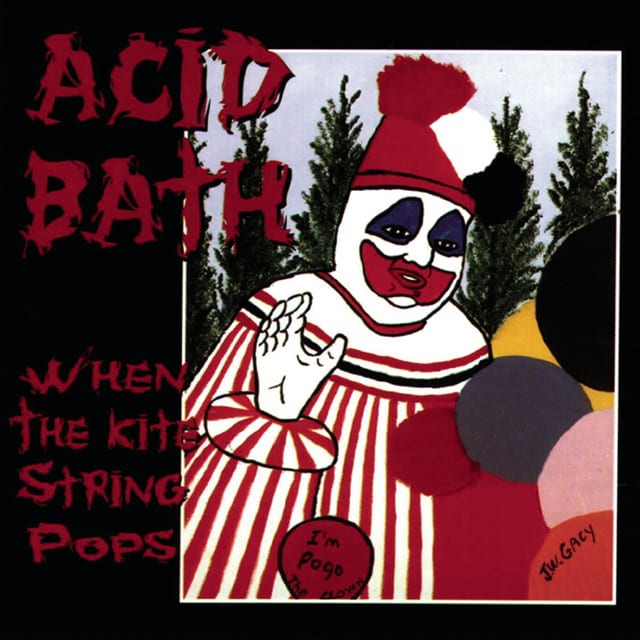
The inclusion of bands like Acid Bath, representing the sludge metal underground, alongside mainstream heavyweights like Killswitch Engage shows festival organizers recognizing both the depth and breadth of American metal's current landscape. Industrial pioneers Ministry sharing billing with crossover legends Suicidal Tendencies creates programming that spans decades of heavy music evolution.
The festival's approach to balancing nostalgia with contemporary relevance becomes particularly apparent in its death metal programming. Obituary's inclusion alongside newer acts demonstrates how established death metal acts continue drawing massive audiences while providing context for emerging artists within the genre. This programming strategy has become essential for festivals targeting the broader metal community rather than specific subgenre audiences.
Machine Head's presence on the lineup reinforces the festival's commitment to groove metal representation, while bands like Agalloch bring atmospheric elements that appeal to more experimental metal audiences. This genre diversity reflects how successful American metal festivals now operate as comprehensive surveys of heavy music rather than focused celebrations of specific sounds.
Doom Metal's Festival Renaissance
The inclusion of doom metal specialists like Pallbearer on major festival lineups signals the genre's growing mainstream acceptance. Doom metal's slower, more atmospheric approach has found new audiences as listeners seek alternatives to faster, more aggressive metal styles that have dominated festival programming for years.
Pallbearer's festival appearances have consistently demonstrated doom metal's festival viability, with their expansive soundscapes translating effectively to large outdoor stages. Their presence on major lineups has opened doors for other doom metal acts, creating opportunities for bands exploring similar atmospheric territories.
The doom metal festival presence also reflects changing audience preferences, with younger metal fans showing increased interest in genres that prioritize atmosphere and emotional depth over pure aggression. This shift has influenced booking decisions across major American metal festivals, with programmers recognizing doom metal's unique festival appeal.
Infrastructure Casualties Threaten Grassroots Development
While major festivals celebrate expansion and success, the closure of Brooklyn Storehouse represents a significant loss for the American metal community's grassroots infrastructure. Independent venues like Brooklyn Storehouse serve as crucial development spaces for emerging metal acts, providing performance opportunities that bridge the gap between local club shows and major festival appearances.
The venue's closure for "climate infrastructure and clean energy production" reflects broader urban development pressures facing independent music venues across major American cities. These closures create fewer opportunities for new metal bands to develop their live performance skills and build audiences, potentially limiting the genre's future development.
Brooklyn's live music scene has historically served as a crucial proving ground for metal acts seeking to establish themselves in the competitive American market. Independent venues in the borough have launched careers and provided touring acts with essential East Coast performance opportunities, making each closure a significant loss for the broader metal community.
Touring Circuit Adaptations and Final Opportunities
The Decibel tour's personnel changes, with Spirit Adrift replacing Fulci, highlight the ongoing logistical challenges facing touring metal acts. These last-minute adjustments have become increasingly common as bands navigate complex scheduling, visa issues, and other complications affecting international touring.

Spirit Adrift's addition to the tour demonstrates how established American metal acts often step in to maintain tour momentum when international acts face obstacles. This flexibility has become essential for tour organizers working to preserve ticketholder experiences while managing unpredictable circumstances.
The touring circuit's adaptability reflects the American metal scene's collaborative nature, with bands frequently supporting each other to maintain the live music ecosystem that sustains the genre. These partnerships ensure tours continue despite obstacles, preserving crucial performance opportunities for both artists and audiences.

Cross-Genre Collaborations Signal Creative Renaissance
The announcement of Tom Morello and Serj Tankian's collaboration on "Adjourn It" represents the type of high-profile partnership that generates significant attention for political metal music. Both artists bring extensive activist credentials alongside their musical achievements, creating collaborations that carry substantial cultural weight beyond pure entertainment value.
Morello's decision to include his 15-year-old son Roman in the collaboration adds generational elements that reflect how metal music passes between family members and across age groups. These multi-generational projects help bridge the gap between established metal audiences and younger listeners discovering politically conscious heavy music.
The collaboration's focus on immigrant justice issues demonstrates how veteran metal musicians continue using their platforms to address social and political concerns. This activism helps maintain metal music's tradition of confronting difficult subjects while reaching audiences through powerful musical expression.
Label Landscape Shifts and Industry Evolution
Craig Ericson's launch of Vaux Records after selling Rise Records represents significant movement within the American metal label landscape. Rise Records built its reputation developing metalcore and post-hardcore acts, making Ericson's new venture particularly relevant for bands operating within those genres and adjacent territories.
The timing of Vaux Records' launch suggests confidence in the current American metal market, with experienced industry figures choosing to invest in new label ventures despite ongoing industry challenges. This optimism reflects the genre's continued commercial viability and growth potential within specific market segments.
New label formation also creates additional opportunities for emerging American metal acts seeking recording contracts and industry support. More labels competing for talent typically benefits artists through improved contract terms and increased competition for promising acts.
Festival Circuit Economics and Programming Strategies
The contrast between Milwaukee Metalfest's ambitious programming and venue closures like Brooklyn Storehouse illustrates the growing divide between major festival operations and independent venue survival. Large festivals benefit from economies of scale and diverse revenue streams, while smaller venues face increasing operational costs without corresponding revenue growth.
Festival success stories like Milwaukee Metalfest's expanded programming demonstrate how major events continue thriving by offering comprehensive experiences that justify higher ticket prices. These festivals succeed by positioning themselves as destination events rather than simple concert presentations, creating value propositions that support premium pricing.
The festival circuit's growth has created new opportunities for established metal acts while potentially reducing demand for smaller venue performances. This shift affects how metal bands structure their touring strategies and plan career development within an increasingly festival-focused live music landscape.
American metal's current trajectory reflects both tremendous opportunity and significant challenges. Major festivals continue expanding their reach and influence, while grassroots infrastructure faces ongoing pressure from economic and development forces. The scene's future success will depend on maintaining balance between these large-scale successes and the smaller venues and tours that develop tomorrow's festival headliners.