Technological Tensions and Band Fractures: Armored Saint Embraces Organic Creation While Mastodon Faces Permanent Division
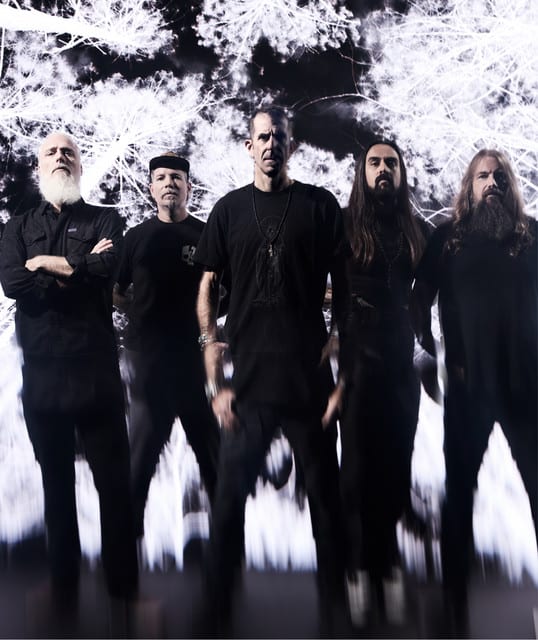
The American metal landscape finds itself grappling with two fundamental questions that define the modern heavy music experience: how much technology should influence the creative process, and what happens when legendary partnerships reach irreparable breaking points. Recent developments from California veterans Armored Saint and Atlanta progressive metal titans Mastodon illustrate these tensions in stark relief, while a wave of anniversary reissues and new releases demonstrates the enduring power of traditional metal craftsmanship.
The Human Touch in Digital Times
Armored Saint's John Bush has emerged as an unexpected voice of wisdom in debates over technology's role in modern metal creation. The Los Angeles-based band, which has maintained its relevance across four decades without chasing every technological trend, represents a philosophy that many American metal acts are quietly embracing: sophisticated use of technology that serves the music rather than replacing human instinct.
This approach stands in sharp contrast to the hyper-produced, digitally manipulated sound that has dominated certain corners of the metal world. Bush's emphasis on allowing music to "breathe" reflects a broader movement among veteran American acts who recognize that the best metal bands throughout history achieved their status through organic chemistry and authentic performance rather than technological perfection.
The implications extend beyond recording techniques to fundamental questions about what constitutes authentic heavy metal expression. As bands like Leg push brutal death metal boundaries and crossover acts like Pus blend grindcore with thrash elements, the question becomes whether digital precision enhances or diminishes the raw power that defines American extreme metal.
When Legendary Partnerships Shatter
Perhaps no recent development has struck deeper at the heart of American metal's collaborative spirit than the permanent rift between Mastodon's core members. Brann Dailor's recent comments about Brent Hinds reveal the painful reality that even the most successful creative partnerships can reach points of no return, leaving fans and fellow musicians to contemplate the fragile nature of artistic collaboration.
Mastodon's influence on the US metal scene cannot be overstated. Their progressive approach to heavy music helped define what American metal could become in the 21st century, inspiring countless acts to push beyond traditional genre boundaries. The finality of this split represents more than just internal band drama—it signals the end of one of American metal's most innovative creative partnerships.
This development resonates particularly strongly within the American metal community, where collaboration and musical brotherhood have traditionally served as foundational values. From the Bay Area thrash scene's interconnected relationships to the cross-pollination between regional death metal scenes, American heavy music has thrived on artists pushing each other to greater heights. When those relationships fracture irreparably, it serves as a sobering reminder of the personal costs of creative ambition.
Anniversary Culture and Metal Legacy
While current relationships face challenges, the metal world continues celebrating its rich history through carefully curated anniversary releases. Motörhead's upcoming expanded edition of "Kiss of Death" represents more than mere nostalgia—it demonstrates how classic metal albums continue influencing new generations of American musicians.
The timing of these reissues coincides with a broader renaissance in American heavy metal appreciation. Younger musicians are diving deep into the catalogs of bands that helped establish the foundations of what we now recognize as the best heavy metal songs of all time. This archaeological approach to metal history provides crucial context for understanding how American bands developed their distinctive sound.
Alice Cooper's simultaneous reissue of two albums from his later career demonstrates how veteran American shock rock pioneers continue refining their artistic statements. These expanded editions serve educational purposes for musicians like those in Hands of Goro and other contemporary heavy metal acts who study how legends maintained relevance across multiple decades.
The Touring Economy and Fan Connection
Black Veil Brides' announcement of additional tour dates reflects the current realities of the American metal touring circuit, where successful bands must maintain almost constant road presence to sustain their careers. Their "Vindicatour" expansion demonstrates how metal bands touring 2026 must plan extensive campaigns to reach fans across the vast American landscape.
This touring imperative creates ripple effects throughout the American metal ecosystem. Local venues benefit from increased traffic, regional opening acts gain exposure opportunities, and smaller bands like Lit can leverage these major tours for their own promotional purposes. The interconnected nature of American metal touring means that major announcements influence booking patterns and fan travel decisions across the entire country.
Zakk Wylde's continued double duty with Black Label Society illustrates another aspect of modern American metal touring: the expectation that established artists will push physical and creative limits to deliver maximum value to their audiences. This work ethic, deeply embedded in American metal culture, sets standards that influence how emerging bands approach their own live presentations.
Political Consciousness and Social Responsibility
Randy Blythe's recent comments about political engagement reflect a growing trend among American metal musicians who recognize their platforms come with responsibilities. Lamb of God's frontman represents a generation of metal leaders who balance artistic expression with social consciousness, encouraging fan engagement beyond mere entertainment consumption.
This approach contrasts sharply with earlier eras when metal bands often avoided political topics entirely. Contemporary American metal acts increasingly view their music as vehicles for broader social commentary, whether addressing environmental concerns, social justice issues, or encouraging civic participation. Blythe's stance demonstrates how veteran metal musicians can model thoughtful engagement without compromising their artistic integrity.
The influence extends beyond individual statements to shape how new metal bands 2026 approach their own relationship with social issues. Younger American metal acts observe how veterans navigate these waters, learning to balance authentic expression with responsible messaging.
Looking Forward: American Metal's Evolution
Deep Purple's new material, despite the band's British origins, will undoubtedly influence American hard rock and metal acts who continue drawing inspiration from classic heavy music pioneers. Their "Splat!" album represents the ongoing dialogue between established heavy music traditions and contemporary creative approaches.
For American metal bands ranging from atmospheric black metal acts to brutal death metal groups, these veteran releases provide masterclasses in maintaining relevance while honoring artistic heritage. The lessons learned from how 80s metal bands and their successors navigate modern music industry challenges inform strategic decisions made by contemporary American metal acts.
The current moment in American metal history demands both technological sophistication and human authenticity, successful collaboration despite inevitable conflicts, and respect for legacy while pushing creative boundaries. As bands across the country navigate these challenges, they contribute to an evolving definition of what American heavy music can achieve in an increasingly complex cultural landscape.
Check out our upcoming shows page for the latest American metal tour dates, and don't forget to submit your band to be featured in future coverage of the US metal scene.