Digital Detox and Collaborative Delays: Metal Veterans Champion Live Experience While Creative Projects Face Real-World Obstacles
The American metal scene finds itself at a crossroads between digital dependency and authentic artistic expression, as veteran voices speak out against technology's intrusion into live performance while collaborative projects navigate unexpected roadblocks. From phone-obsessed audiences to delayed supergroup ventures, the week's developments reveal an industry grappling with modern realities while fighting to preserve metal's raw, communal essence.
The Phone Zombie Epidemic: When Technology Kills the Pit
Former Queensrÿche frontman Geoff Tate's recent comments about concert photography addiction have struck a nerve throughout the metal community. His observation that fans watch entire shows through their phone screens rather than experiencing the moment directly speaks to a fundamental shift in how live music is consumed. For a genre built on visceral connection between performer and audience, this digital barrier represents more than just an annoyance—it's an existential threat to metal's core identity.
The issue extends beyond simple etiquette. Metal shows have always been about collective catharsis, the shared experience of bodies moving together in response to crushing riffs and thunderous drums. When that energy gets filtered through smartphone screens and social media validation, something essential gets lost. The mosh pit becomes a photo opportunity rather than a spiritual release.
Tate's perspective carries particular weight given his decades fronting one of progressive metal's most influential acts. Queensrÿche's conceptual works like "Operation: Mindcrime" were designed for deep, immersive listening—exactly the kind of focused attention that smartphone addiction erodes. His call for audiences to "immerse yourself in it" represents more than nostalgia; it's a battle cry for preserving metal's transformative power.
This digital detox movement has found allies throughout the scene. Venue owners report growing frustration with audience members more concerned with documenting their attendance than actually attending. The result is a generational divide that threatens to fragment metal's traditionally unified community.
Creative Partnerships Hit Real-World Snags
While audiences struggle with digital distractions, artists face their own modern obstacles. Killswitch Engage guitarist Adam Dutkiewicz's explanation for delays in his collaboration with former vocalist Howard Jones illustrates how even the most anticipated projects can stumble over practical realities. The pairing represents a dream scenario for metalcore fans—the reunion of two creative forces behind some of the genre's most defining moments.
Dutkiewicz's production work has shaped the sound of modern heavy music, from his band's own melodic metalcore innovations to his behind-the-boards contributions for countless other acts. Jones, meanwhile, brought a unique vocal approach that helped establish Killswitch Engage as arena-ready without sacrificing their underground credibility. Their collaborative delay speaks to broader challenges facing veteran musicians in an increasingly complex industry landscape.
The metalcore scene that both men helped create has evolved dramatically since their initial partnership. Bands like Dayseeker and Slowly Fading continue pushing the genre's emotional boundaries, while deathcore acts such as Adept and All Shall Perish explore increasingly extreme territories. The question becomes whether classic partnerships can adapt to these new realities or if they're destined to become historical curiosities.
Mastodon's Seismic Shift and Genre Evolution
Perhaps no story better illustrates the current state of creative upheaval than Mastodon's completion of their first album without longtime member Brent Hinds. Brann Dailor's admission that it "was a confusing time" understates the magnitude of losing such a central creative force. Hinds wasn't just a guitarist in Mastodon; he was an architect of their psychedelic-tinged progressive metal sound that bridged underground credibility with mainstream accessibility.
This transition reflects broader changes rippling through American metal. The bands that emerged in the early 2000s as part of the so-called "New Wave of American Heavy Metal" now face the reality of aging, changing priorities, and evolving creative visions. Some adapt by embracing new technologies and sounds, while others double down on their established approaches.
The influence of thrash metal on subsequent generations, as highlighted by Dark Angel drummer Gene Hoglan's recent comments, provides context for these ongoing transformations. Hoglan's assertion that "thrash influenced everything that came after it" rings especially true when examining how bands like Mastodon incorporated thrash's rhythmic complexity into their own progressive frameworks.
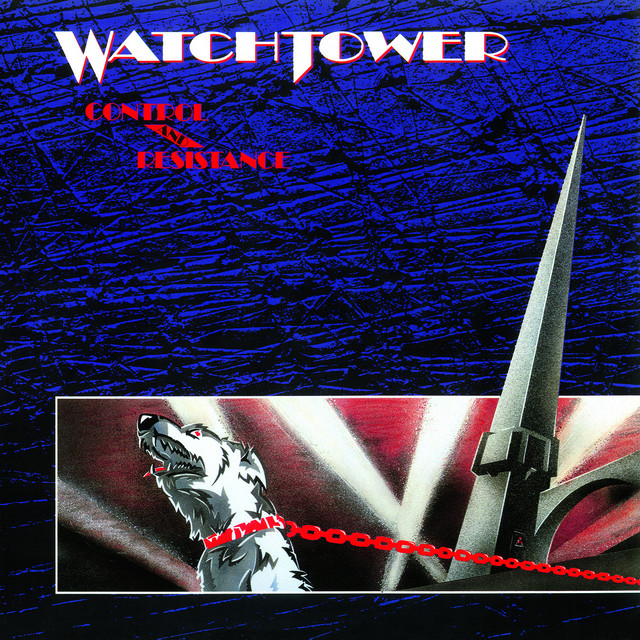
For underground acts exploring similar territory, Mastodon's personnel change offers both cautionary tale and inspiration. Progressive metal bands like Shovelhead and Watchtower understand the delicate balance required to maintain creative chemistry while allowing individual growth. The challenge becomes preserving what makes a band special while adapting to inevitable change.
Festival Culture and Community Building
Furnace Fest's 2026 announcement demonstrates how festival culture continues evolving to serve metal's diverse community needs. The inclusion of acts ranging from Bring Me The Horizon to Underoath to Circa Survive reflects a broader understanding that modern metal encompasses multiple generations and stylistic approaches.
The festival's sale to an outside production company raises questions about maintaining authentic connections to local scenes while achieving necessary scale and professionalism. Birmingham's Sloss Furnaces provide an industrial backdrop that perfectly complements heavy music's blue-collar aesthetic, but corporate involvement always carries risks of sanitizing the experience.
For regional scenes, major festivals serve as both aspiration and measuring stick. Local acts witness the production values and audience engagement that define successful events, then apply those lessons to their own shows. The result is a rising tide that lifts all boats—provided the original spirit survives commercial pressures.
The Underground Response
While industry veterans navigate smartphones and corporate partnerships, the underground continues generating the raw energy that keeps metal vital. Death metal acts like Corpse Hoarder and Mycopath operate outside digital distraction cycles, focusing on devastating live performances that demand complete attention. Black metal artists such as Ecferus and Necroassault 666 actively reject technological mediation, insisting on direct spiritual communication through their art.
The doom and stoner metal scenes offer their own solutions to modern alienation. Bands like Bongzilla, The Sword, and Rickshaw Billie's Burger Patrol create immersive sonic experiences that naturally discourage phone usage—their heavy, hypnotic grooves demand physical rather than digital response.
Looking Forward: Authenticity in the Digital Age
The challenges facing today's metal scene aren't insurmountable, but they require intentional responses from both artists and audiences. Geoff Tate's call for concert immersion resonates because it addresses a fundamental truth: metal's power lies in its ability to create temporary communities united by shared experience. When that experience gets mediated through screens and social media, the magic weakens.
Similarly, the delays and lineup changes affecting established acts remind us that creativity can't be rushed or forced. The best collaborations emerge organically from genuine artistic connection rather than fan expectations or commercial pressure. Adam Dutkiewicz and Howard Jones will create something worthwhile when the time is right, not when the internet demands it.
For the American metal scene moving forward, the key lies in balancing respect for tradition with openness to evolution. The best metal bands have always understood this tension, drawing from the genre's rich history while pushing into unexplored territory. As new generations discover the transformative power of heavy music, veterans like Tate serve crucial roles as guardians of metal's authentic spirit.
The phone zombies and creative delays will resolve themselves in time. What matters is maintaining metal's core promise: that music can transform both individual consciousness and collective experience. Everything else is just noise.