Platform Wars and Crossover Chaos: Virginia Veterans Fight AI Detection While East Coast Hardcore Fusion Explodes
Digital music platforms are waging war against artists they're supposed to serve, while American crossover thrash continues its relentless evolution across the Eastern seaboard. This week's developments highlight both the technological challenges facing veteran metal bands and the creative breakthroughs driving the genre's most aggressive fusion sounds.
TuneCore's AI Witch Hunt Targets Metal Veterans
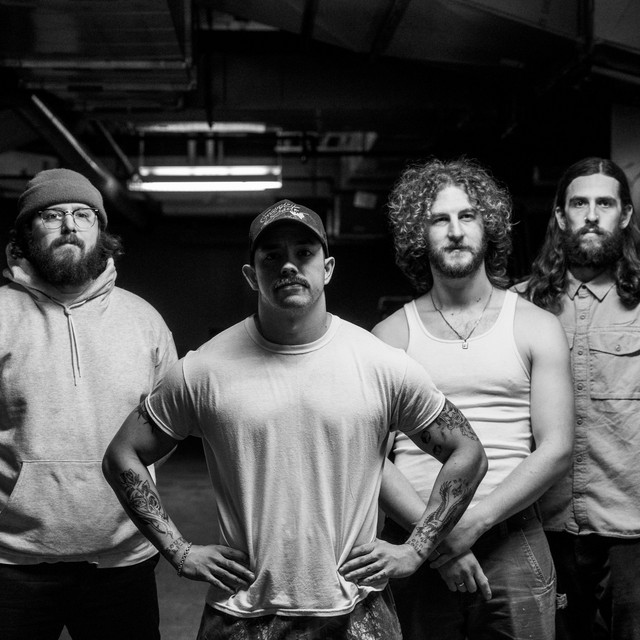
Virginia's metalcore pioneers Zao found themselves caught in the crosshairs of TuneCore's overzealous artificial intelligence detection system this week, with the platform wrongfully flagging their legitimate recordings as AI-generated content. The accusation represents a fundamental misunderstanding of both metal production techniques and the band's two-decade recording history.
The irony cuts deep when considering Zao's raw, organic approach to heavy music creation. Their recordings feature the kind of authentic imperfections and human elements that should immediately distinguish them from algorithmic composition—including actual audio clips and samples that would confuse even the most primitive AI systems. As the band noted, any artificial intelligence capable of replicating their specific brand of controlled chaos would represent the worst possible iteration of machine learning technology.
This incident exposes a growing crisis in digital music distribution, where automated systems lack the sophistication to distinguish between innovative production techniques and artificial generation. For veteran acts like Zao, who helped define metalcore's aesthetic boundaries during the genre's formative years, these false accusations threaten both their distribution channels and their artistic credibility.
The broader implications extend beyond individual artist grievances. When platforms prioritize algorithmic efficiency over human oversight, they create a hostile environment for the experimental approaches that have always driven metal's creative evolution. Underground acts pushing sonic boundaries now face the additional challenge of proving their authenticity to systems designed without understanding heavy music's production complexities.
Crossover Thrash's East Coast Renaissance
While platforms struggle with authenticity detection, American crossover thrash continues proving its vitality through strategic collaborations that honor the genre's hardcore punk foundations. Extinction A.D.'s latest single featuring Incendiary's Brian Audley represents exactly the kind of purposeful partnership that has kept crossover thrash relevant across multiple generations.
The collaboration demonstrates crossover's fundamental strength: its ability to bridge metal's technical precision with hardcore's community-driven ethos. By bringing together established practitioners from different corners of the scene, these partnerships maintain the genre's authentic edge while expanding its creative possibilities. The result captures crossover's essential brevity and directness—characteristics that have defined the style since its emergence from New York's hardcore scenes.
This approach contrasts sharply with metal's broader trend toward extended compositions and technical complexity. Crossover thrash remains committed to its foundational principle: maximum impact through minimal time investment. The genre's practitioners understand that effective aggression doesn't require elaborate arrangements or extended runtime—just precise execution and authentic energy.
For American bands working within crossover thrash's parameters, the challenge involves maintaining that authentic urgency while avoiding simple repetition of established formulas. Acts like Choke have demonstrated how crossover can incorporate death metal elements without losing its essential character, while groups like Cro-Mags continue proving the style's enduring relevance through consistent touring and recording.
Stadium Metal's Touring Supremacy
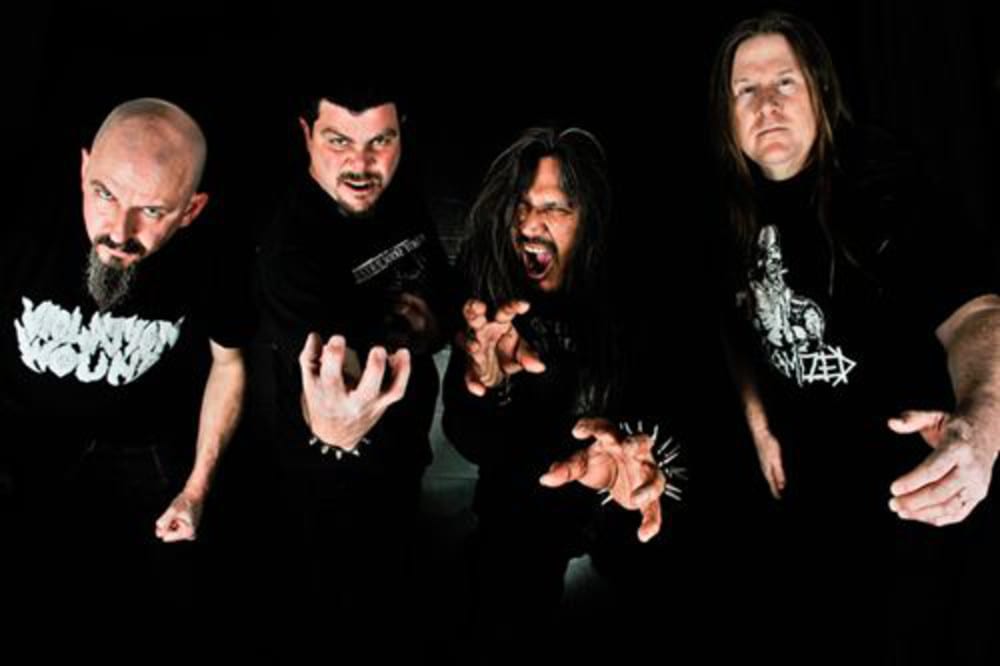
The ongoing success of Lamb of God's current tour package showcases American metal's ability to build compelling multi-generational lineups that serve both veteran acts and emerging bands. Their combination with Kublai Khan TX, Fit For An Autopsy, and Sanguisugabogg creates a perfect progression from established groove metal through modern metalcore innovation to brutal death metal extremity.
This touring model represents strategic thinking about audience development and scene sustainability. Rather than simply pairing acts with similar sounds, the package creates opportunities for cross-pollination between different metal subgenres and generational perspectives. Younger fans discovering Lamb of God's catalog through the tour gain access to groove metal's foundational techniques, while established audiences encounter the creative evolution those techniques have undergone.
The Atlanta stop's success demonstrates the Southeast's continued importance as a metal touring hub, with cities like Atlanta, Charlotte, and Nashville providing crucial revenue opportunities for both headliners and supporting acts. Regional scenes benefit from these high-profile visits, as local bands gain exposure opportunities and fans maintain connections to metal's broader developments.
Progressive Metal's Extended Development Cycles
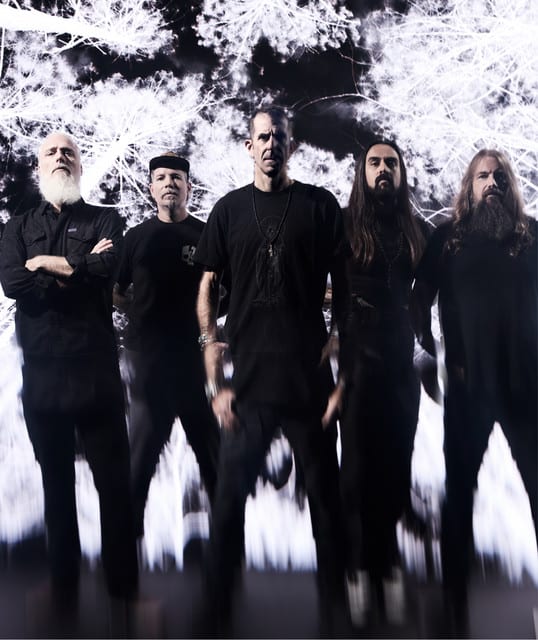
Symphony X's extended album development process highlights the challenges facing progressive metal acts attempting to balance creative ambition with practical recording constraints. Russell Allen's comments about the band's multi-year composition timeline reveal both the dedication required for complex musical arrangements and the financial realities that can extend production schedules indefinitely.
Progressive metal's emphasis on technical precision and conceptual coherence naturally creates longer development cycles than simpler metal styles. However, these extended timelines also reflect broader industry changes that have made elaborate studio projects increasingly difficult to finance and complete. Bands must now balance their artistic vision against the practical necessity of maintaining fan engagement across multi-year gaps between releases.

For American progressive metal acts, these challenges are compounded by the genre's relatively small but dedicated fanbase. While progressive metal enthusiasts demonstrate exceptional loyalty and purchasing power, the limited audience size means bands cannot rely on massive sales volumes to justify extensive studio investment. The result is a genre caught between its artistic requirements and commercial realities.
Acts like Between The Buried And Me and Periphery have found success through strategic use of home recording technology and careful touring scheduling, allowing them to maintain progressive metal's complexity while adapting to modern economic constraints.
Legacy Acts Navigate Modern Challenges
The week's developments around veteran performers like Peter Criss and ZP Theart illustrate how classic metal figures continue finding new ways to connect with audiences despite industry transformation. These artists face the unique challenge of honoring their established legacies while demonstrating continued creative relevance in a rapidly evolving musical landscape.
Criss's Detroit return after two decades demonstrates the enduring power of regional metal connections, where specific cities maintain special relationships with particular artists or eras. His solo work provides opportunities to explore creative directions that might not fit within his more famous band context, while still capitalizing on the recognition and credibility his previous achievements provide.
Similarly, ZP Theart's solo career represents the growing trend of established vocalists using their technical skills and industry experience to develop independent artistic projects. Rather than remaining tied to single band identities, these performers are building portfolio careers that allow for greater creative flexibility and financial stability.
The success of these veteran initiatives suggests American metal audiences remain interested in supporting established performers who continue demonstrating artistic growth and professional commitment. However, it also highlights the importance of maintaining authentic connections to metal's community values rather than simply trading on past achievements.
As the American metal scene continues evolving through technological challenges and creative opportunities, the contrast between platform limitations and artistic innovation becomes increasingly stark. While distribution systems struggle with basic authenticity recognition, metal artists continue pushing boundaries through strategic collaboration and sustained creative commitment. The future belongs to acts capable of navigating these technological obstacles while maintaining the authentic energy that has always driven heavy music's most compelling developments.