Unexpected Alliances and Touring Shifts: American Metal's Spring Transformation Through Strategic Partnerships
The American metal landscape is experiencing a fascinating period of strategic realignment, as established acts forge unexpected partnerships and navigate complex touring arrangements that reflect the genre's evolving business dynamics. From surprising collaborative singles to last-minute lineup changes, these developments showcase how modern metal bands are adapting their creative and operational strategies in 2026.
Cross-Generational Collaborations Redefine Boundaries
The most striking example of this transformation comes through an unlikely partnership between Cincinnati's glam metal veterans Black Veil Brides and Machine Head's Robb Flynn on their latest single "Revenger." This collaboration represents more than just a one-off experiment—it signals a broader trend where established acts from different metal subgenres are finding common ground through shared songwriting and performance partnerships.
The significance of this alliance extends beyond the immediate creative output. Black Veil Brides, who have spent over a decade building their theatrical hard rock identity, are demonstrating remarkable strategic flexibility by embracing the heavier, more aggressive elements that Flynn brings to the table. This isn't simply about reaching new audiences; it's about artistic evolution that acknowledges the fluid boundaries within modern American metal.
This type of cross-pollination has historically produced some of the best metal songs when executed thoughtfully. The collaboration suggests that veteran acts are increasingly willing to step outside their established comfort zones, potentially creating new hybrid sounds that could influence the next generation of American metal bands.
Touring Dynamics and Professional Substitutions
The touring circuit continues to demonstrate its unpredictable nature through strategic personnel changes that keep established acts on the road despite lineup challenges. All That Remains' decision to bring in Emil Werstler for their spring US tour dates exemplifies the professional flexibility required in today's demanding touring environment.
Werstler's background with Chimaira and Dååth brings a technical death metal edge to All That Remains' melodic metalcore foundation. This substitution isn't merely about filling a gap—it's about maintaining touring momentum while potentially introducing new creative elements to the band's live presentation. Such strategic moves have become increasingly common as bands prioritize tour commitments while managing internal transitions.
The broader implications for the US metal scene are significant. When established acts can seamlessly integrate skilled musicians from different metal backgrounds, it demonstrates the interconnected nature of the American metal community. These professional relationships often lead to permanent collaborations, side projects, and the kind of genre cross-pollination that keeps American metal dynamic and evolving.
International Recognition and Technical Excellence
While American bands navigate these strategic partnerships, international acts continue to push technical boundaries that influence US metal development. The recent visual content from German technical death metal masters Obscura demonstrates the level of production sophistication that has become standard for bands competing in the global metal marketplace.
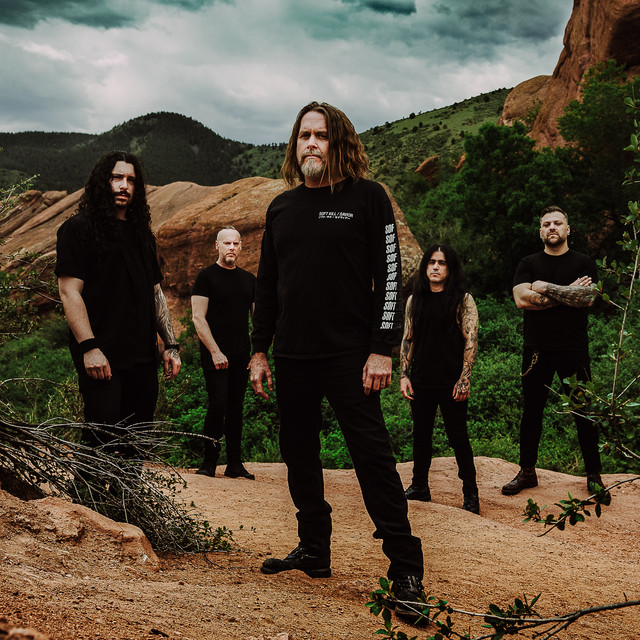
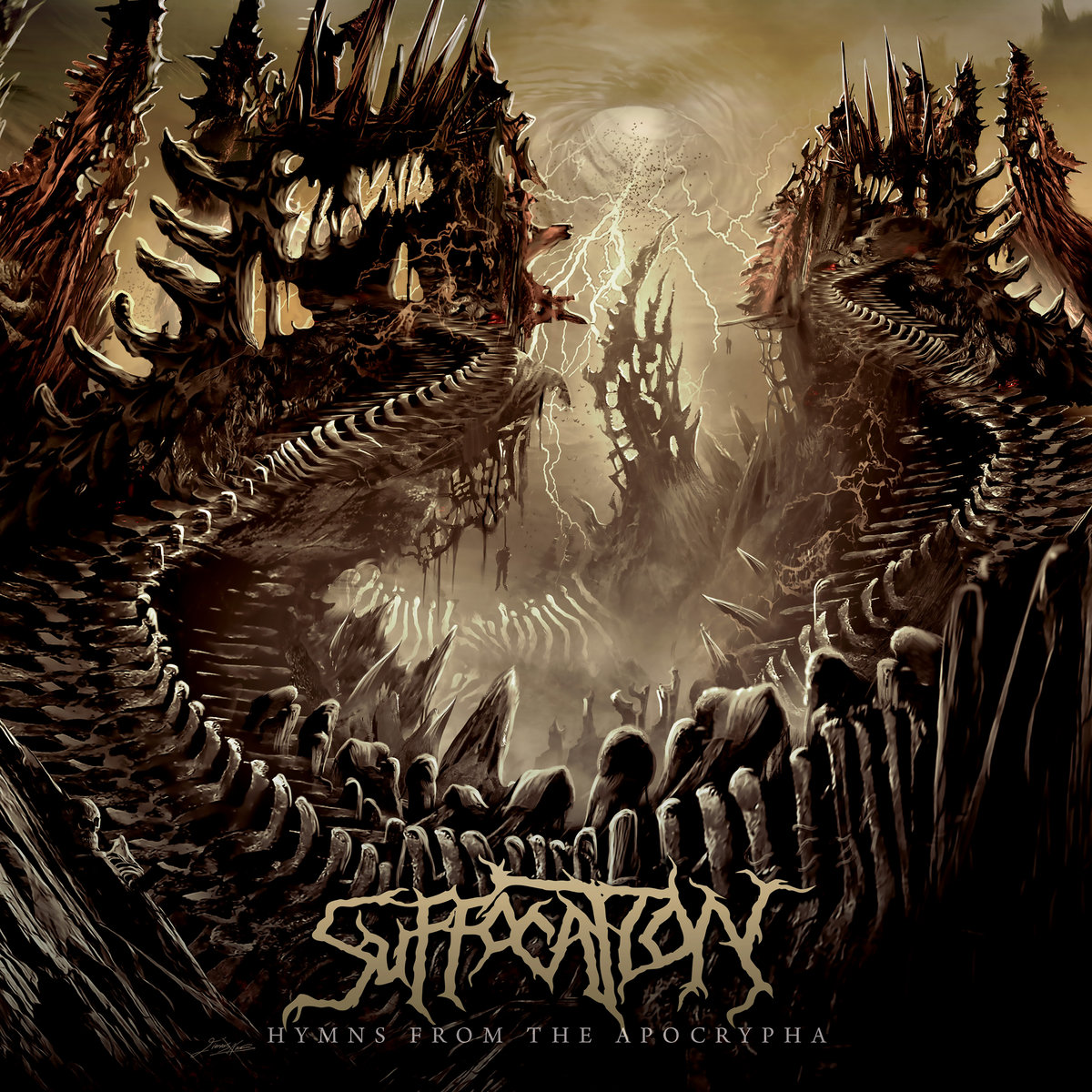
This international influence creates pressure and inspiration for American technical death metal acts to match or exceed these production standards. Bands like Suffocation and Cattle Decapitation continue setting benchmarks for American technical death metal, but the global competition drives constant innovation in both musical complexity and visual presentation.
The emphasis on high-quality music videos and sophisticated promotional materials reflects how modern metal bands must excel across multiple creative disciplines. It's no longer sufficient to write exceptional music; bands must also master visual storytelling, social media engagement, and multimedia production to compete effectively for audience attention.
Legacy Acts and Business Evolution
The business side of American metal continues evolving through strategic brand extensions and reissue campaigns that leverage decades of accumulated cultural capital. Recent discussions about potential reissues of collaborative charity projects from the 1980s highlight how 80s metal bands established frameworks for industry cooperation that continue influencing modern business practices.
These legacy projects remind us that many of today's best metal bands built their careers during an era when the industry operated under different economic models. The current emphasis on merchandise diversification, from limited-edition fragrances to specialized vinyl releases, shows how veteran acts are adapting their business strategies to modern market realities while maintaining their artistic integrity.
The success of these ventures often depends on authentic connections between artists and their audiences. When legacy acts can successfully translate decades of musical credibility into diverse revenue streams, it provides a roadmap for newer bands navigating an increasingly complex industry landscape.
Visual Innovation and Narrative Development
American bands are increasingly embracing sophisticated visual narratives that extend far beyond traditional performance videos. Recent releases demonstrate how established acts are incorporating elements of horror, science fiction, and cultural commentary into their visual content, creating immersive experiences that complement their musical evolution.
This trend toward narrative complexity reflects the influence of streaming platforms and social media on how audiences consume metal content. Bands must now think cinematically, creating visual content that can capture attention across multiple platforms while supporting their musical themes. The most successful approaches combine high production values with authentic artistic vision, avoiding the trap of prioritizing spectacle over substance.
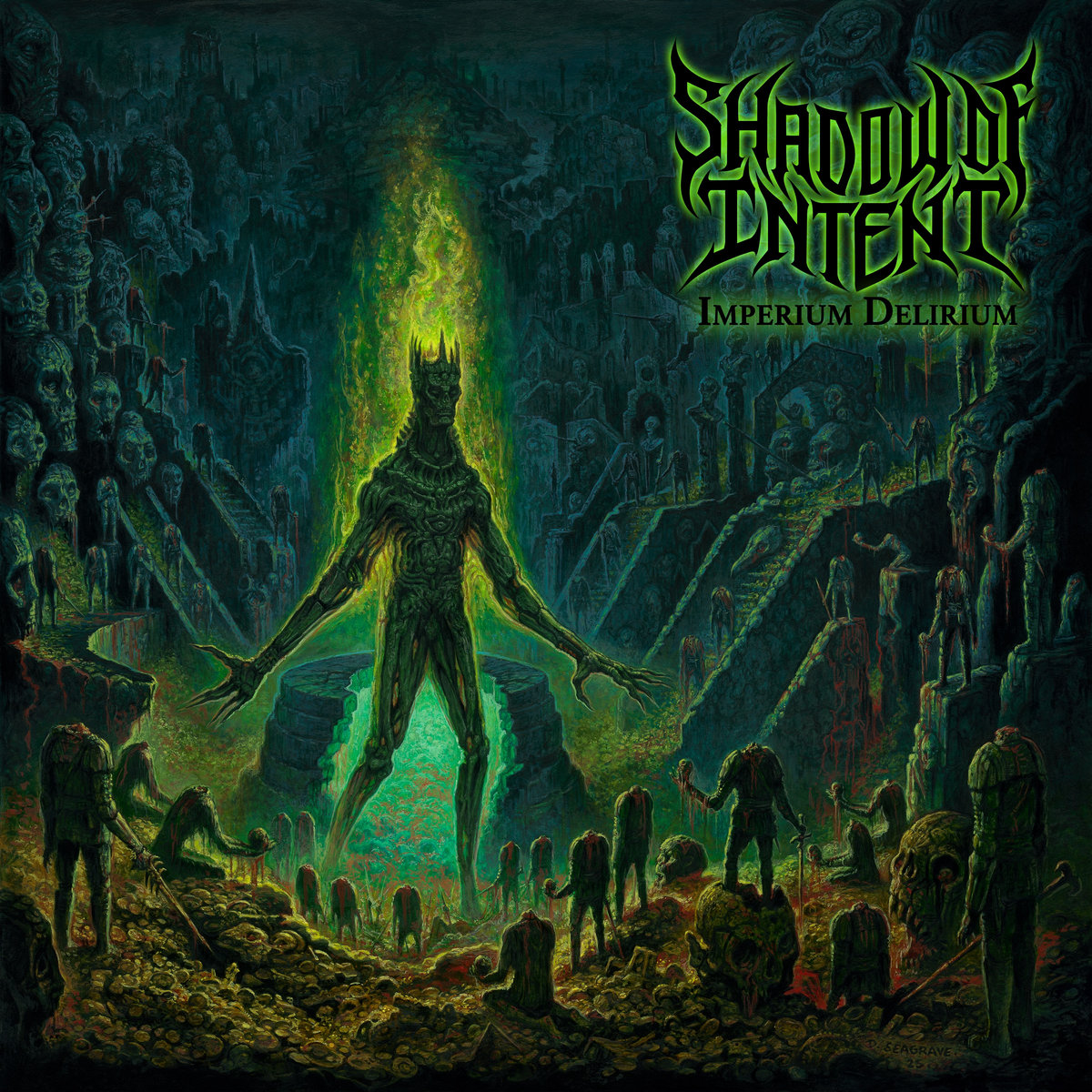
For emerging American metal bands, this visual sophistication represents both opportunity and challenge. While technology has democratized video production capabilities, the expectation for professional-quality content has risen dramatically. Bands like Lorna Shore and Shadow of Intent demonstrate how newer acts can leverage visual storytelling to build substantial followings through strategic content creation.
Festival Circuit and International Expansion
The summer festival circuit continues serving as a crucial platform for American metal bands seeking international exposure, while international acts use these same festivals to establish their presence in US markets. This reciprocal relationship drives continuous innovation as bands compete for festival slots and audience attention across diverse metal subgenres.
American bands touring internationally face unique challenges in translating their domestic success to foreign audiences. The most successful acts develop adaptive strategies that respect local metal cultures while maintaining their distinctive American identity. This balance requires sophisticated understanding of different metal communities and their specific preferences and traditions.
The festival environment also serves as an incubator for the kind of unexpected collaborations that are reshaping American metal. When bands from different subgenres share stages and backstage spaces, it creates opportunities for the creative partnerships that are driving genre evolution. These informal connections often prove more valuable than formal industry networking events.
Looking Forward: Strategic Adaptation
As 2026 progresses, American metal bands are demonstrating remarkable adaptability in their approach to collaboration, touring, and audience engagement. The most successful acts are those willing to embrace strategic partnerships while maintaining their artistic authenticity, whether through unexpected musical collaborations or innovative approaches to content creation and fan interaction.
The current environment rewards bands that can balance tradition with innovation, leveraging decades of metal history while embracing new opportunities for creative expression and business development. For new metal bands 2026, this means learning from established acts' strategic flexibility while developing their own distinctive approaches to collaboration and audience building.
The American metal scene's strength lies in its diversity and willingness to evolve. As veteran acts continue demonstrating how strategic partnerships can enhance rather than compromise artistic vision, they're providing blueprints for sustained success that will influence American metal development for years to come. The bands thriving in this environment are those that understand collaboration as a tool for artistic growth rather than commercial compromise.