Streaming Billions and Book Battles: Digital Dominance Meets Tell-All Revenge in American Metal's Power Plays
The American metal landscape is experiencing a fascinating collision between digital success and personal vendettas this week, as streaming platforms crown new champions while veteran musicians prepare to settle old scores through the written word. System of a Down's billion-stream milestone represents the pinnacle of digital metal achievement, while former Megadeth guitarist Chris Poland's upcoming tell-all book promises to expose the darker truths behind thrash metal's early power struggles.
The Billion-Stream Revolution: When Metal Goes Mainstream
System of a Down's recent entry into Spotify's exclusive Billions Club marks a seismic shift in how we measure metal's cultural impact. The Armenian-American quartet joins an elite group of artists whose individual tracks have surpassed one billion streams, a milestone that would have been inconceivable during metal's formative decades. This achievement underscores a broader transformation in the American metal scene, where digital platforms have become the new stadiums for measuring success.
The streaming revolution has fundamentally altered how metal bands build their audiences and sustain their careers. Unlike the traditional model that relied heavily on radio play and physical sales, platforms like Spotify have created a more democratic landscape where best heavy metal songs can find their audience regardless of label backing or geographic limitations. This shift has been particularly beneficial for American metal bands, who can now reach global audiences without the massive promotional budgets once required for international breakthrough.
For emerging acts in the US metal scene, System of a Down's streaming success provides both inspiration and intimidation. The billion-stream milestone represents a new peak to aspire toward, while simultaneously highlighting the vast gulf between legacy acts and contemporary bands struggling to build their digital presence. Progressive metal innovators like Queensrÿche understand this dynamic intimately, as they continue crafting new material in an era where streaming numbers often matter more than critical acclaim.
Literary Warfare: Chris Poland's Publishing Revenge
While System of a Down celebrates digital milestones, the American thrash scene is bracing for a different kind of revelation. Chris Poland's forthcoming book about his time in Megadeth promises to challenge the official narrative that Dave Mustaine has constructed around the band's early years. Poland's assertion that there are things Mustaine has said that are "total B.S." suggests we're about to witness a literary battle that could reshape our understanding of thrash metal's foundational period.
The timing of Poland's book is particularly significant given the current state of American metal's historical documentation. Many of the genre's pioneering figures are now reaching ages where preserving their stories becomes urgent, yet the competing narratives and personal grudges from the 80s metal bands era continue to complicate the historical record. Poland's willingness to directly contradict Mustaine's version of events represents a broader trend of musicians reclaiming their own stories from the dominant personalities who have traditionally controlled the narrative.
This literary confrontation highlights a fascinating aspect of American metal culture: the persistent importance of authenticity and truth-telling, even decades after the original conflicts. Unlike other genres where time tends to smooth over past disagreements, metal maintains a fierce commitment to setting the record straight, regardless of the personal or professional costs involved.
Progressive Persistence: Queensrÿche's Creative Marathon
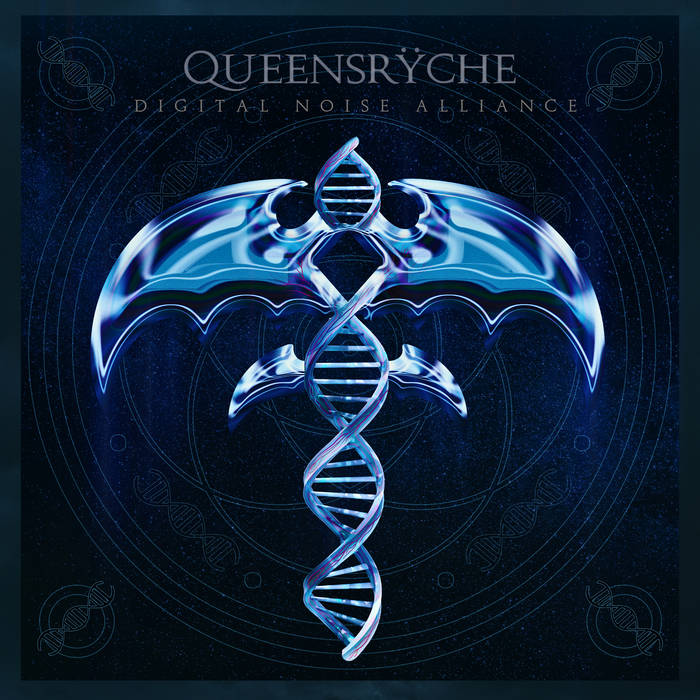
Amid these digital celebrations and literary battles, Queensrÿche continues demonstrating the work ethic that has sustained American progressive metal for decades. Todd La Torre's recent comments about having "a ton of songs" requiring lyrics and melodies illustrate the methodical approach that separates genuine progressive metal from mere technical showboating. The band's commitment to crafting their follow-up to 2022's "Digital Noise Alliance" reflects a broader dedication to artistic evolution that has kept American progressive metal vital and relevant.
Queensrÿche's approach to songwriting in 2026 offers valuable insights into how established American metal bands navigate the current creative landscape. Rather than rushing material to market or relying on past glories, they're investing the time necessary to develop songs that meet their artistic standards. This patience stands in stark contrast to the instant-gratification culture that streaming platforms often encourage, suggesting that the best metal albums of all time still require traditional craftsmanship and creative dedication.
Savatage's Comeback Strategy and American Metal's Global Reach
Chris Caffery's recent comments about Savatage's eventual American performances reveal another crucial aspect of contemporary metal strategy: the global-to-local approach. By conquering international markets first through their South American and European comeback shows, Savatage is building momentum that will eventually translate into domestic success. This reverse-engineering of traditional touring patterns reflects how American metal bands now think globally from the outset, using international validation to strengthen their position in the competitive home market.
The Savatage model demonstrates how metal bands touring 2026 must approach their comeback strategies with unprecedented sophistication. Rather than simply announcing American dates and hoping for the best, successful reunions now require careful market analysis, international relationship building, and strategic patience. Caffery's acknowledgment that he doesn't know "exactly when or how" American shows will happen suggests a level of planning and consideration that previous generations of metal bands rarely employed.
Festival Crossovers and Mainstream Integration
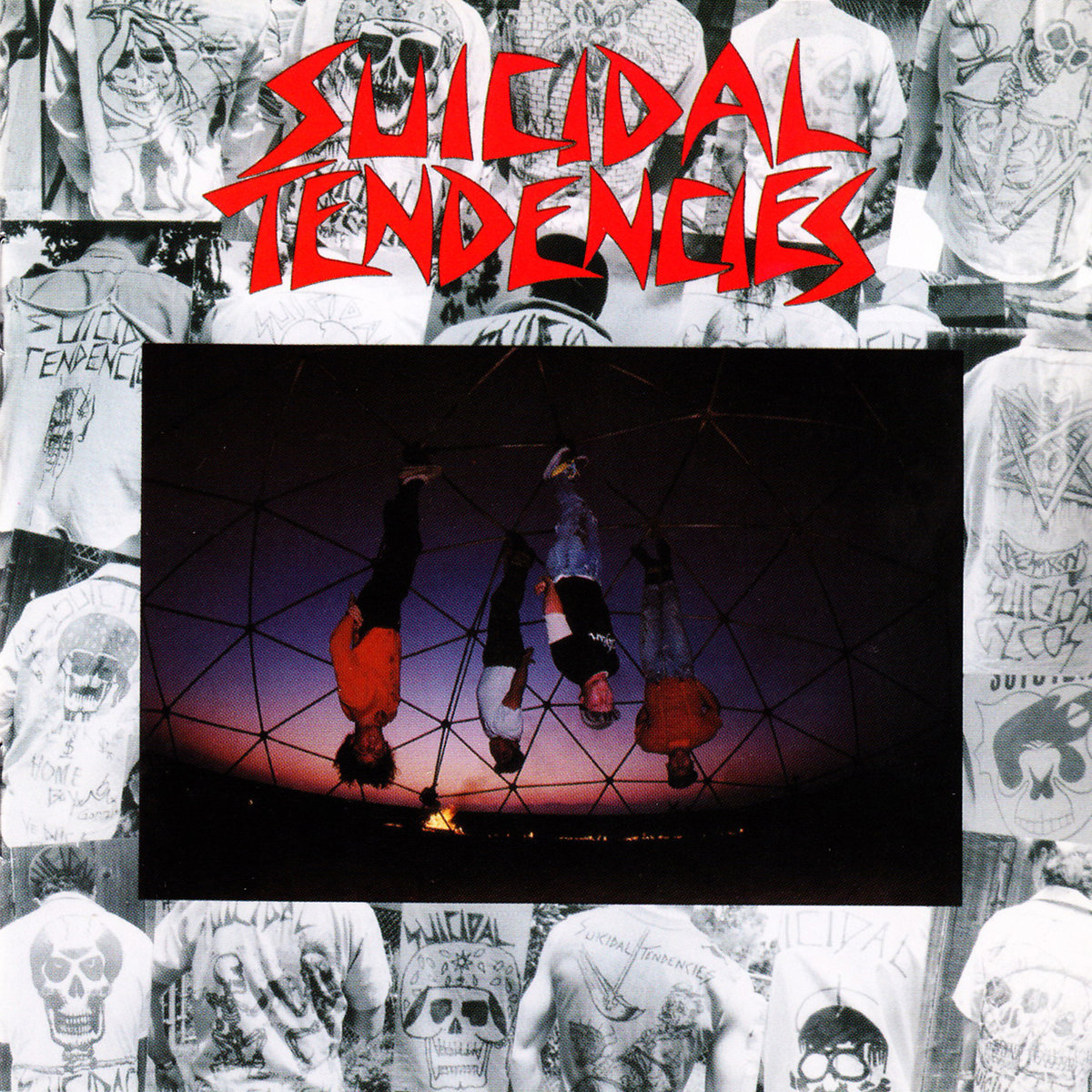
The recent Coachella appearances by hardcore and metal acts like Suicidal Tendencies and Black Flag represent another significant development in American metal's evolution. These bookings signal a growing acceptance of extreme music within mainstream festival culture, creating opportunities for crossover exposure that could benefit the entire US metal ecosystem. The livestreaming of these performances further amplifies their impact, potentially introducing metal to audiences who would never seek it out independently.
This festival integration creates interesting opportunities for new metal bands 2026 who understand how to leverage these crossover moments. The visibility that comes from major festival appearances can accelerate career development in ways that traditional metal-only tours cannot match. However, it also raises questions about authenticity and whether mainstream acceptance dilutes the rebellious spirit that has always defined American metal culture.
The Future of American Metal Documentation
Between Chris Poland's upcoming book and the various reunion activities from bands like Savatage, we're witnessing a crucial period for documenting American metal's history. The combination of streaming success stories like System of a Down's billion-stream achievement and tell-all revelations from scene veterans creates a comprehensive picture of how the genre has evolved over the past four decades.
These developments suggest that American metal is entering a period of historical reckoning, where past narratives are being challenged while new success metrics are being established. The contrast between digital dominance and personal truth-telling reflects the genre's ongoing struggle to maintain its authenticity while adapting to contemporary cultural and technological realities.
For fans and musicians alike, this moment offers both celebration and reflection. System of a Down's streaming success proves that American metal can achieve massive cultural impact, while Chris Poland's forthcoming book reminds us that the human stories behind the music remain complex and often contentious. Together, these developments illustrate why American metal continues to fascinate audiences worldwide: it combines artistic ambition with personal authenticity in ways that few other genres can match.
As we move deeper into 2026, the American metal scene appears poised for continued evolution, driven by both technological opportunities and the persistent need to set historical records straight. Whether through billion-stream milestones or tell-all books, American metal musicians are finding new ways to ensure their stories reach the audiences they deserve.