Maritime Metal Adventures and Corporate Monopoly Battles: A Day to Remember's Cruise Sets Sail as Live Nation Faces Antitrust Verdict
The American heavy music landscape is experiencing seismic shifts both on and off the stage, as innovative touring concepts clash with corporate legal battles that could reshape the entire live music industry. While bands push creative boundaries with floating festivals and legacy acts explore unprecedented collaborations, the very infrastructure supporting these endeavors faces judicial scrutiny that may fundamentally alter how concerts reach audiences nationwide.
Setting Sail: Maritime Metal Adventures Redefine Tour Experiences
Maritime metal adventures are capturing the imagination of heavy music fans as artists explore unconventional venues that combine vacation luxury with crushing riffs. The concept of taking metalcore, hardcore, and heavy music acts to the high seas represents a fascinating evolution in how bands connect with their audiences beyond traditional venue constraints.
These floating festivals offer something conventional tours cannot: complete immersion experiences where fans spend multiple days alongside their favorite acts in intimate settings. The logistics alone represent a remarkable feat of coordination, bringing together diverse lineups that span multiple subgenres while managing the unique challenges of maritime entertainment.
For American metal bands, these cruise experiences provide opportunities to showcase their music in unprecedented contexts. The extended format allows for deeper setlists, acoustic performances, meet-and-greets, and collaborative moments that wouldn't be possible during standard touring cycles. It's a format that particularly benefits acts looking to strengthen fan loyalty through exclusive experiences.
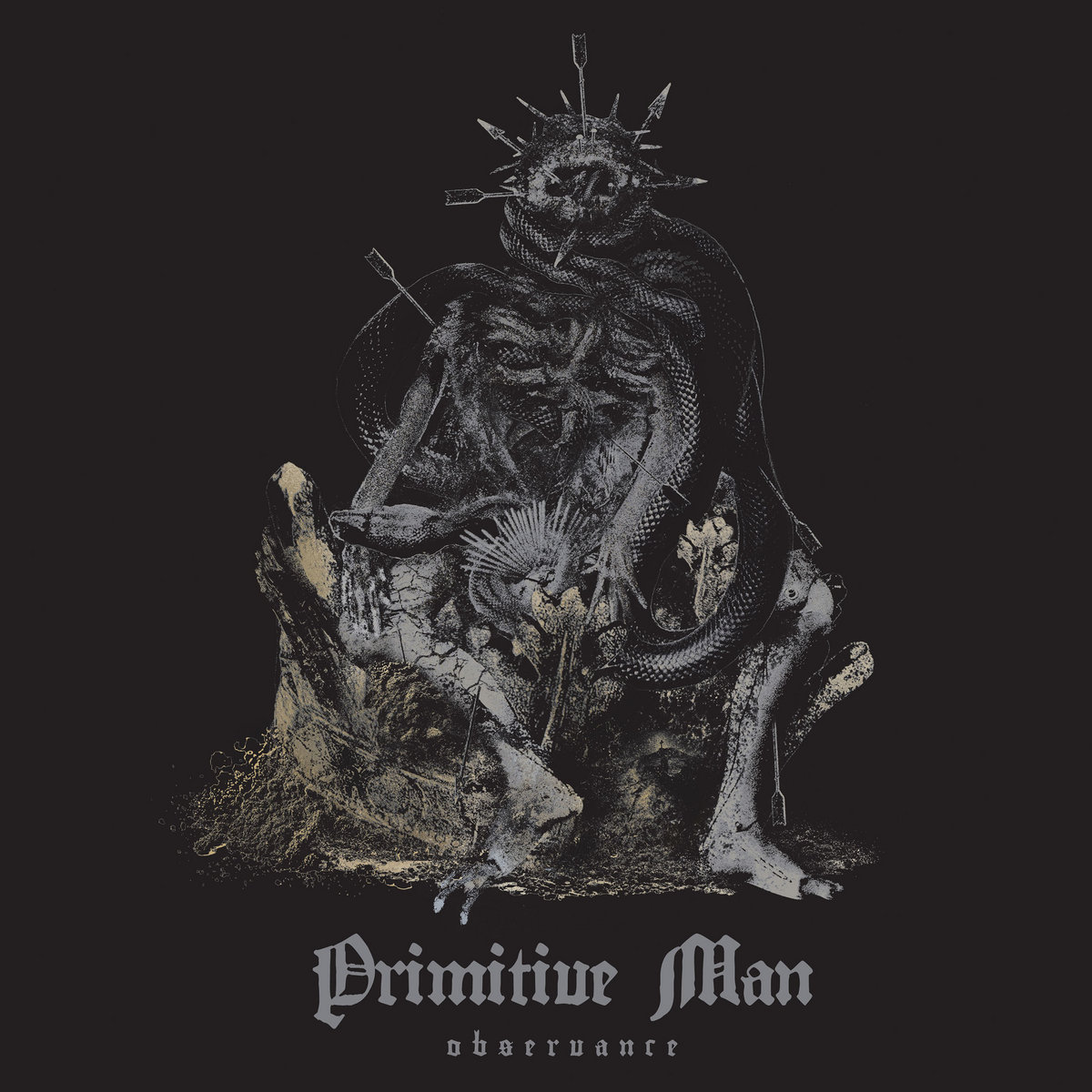
The maritime approach also reflects broader trends in experience-driven entertainment, where memorable events often matter more than simple performance attendance. This resonates particularly well with Primitive Man and similar doom/sludge acts whose atmospheric compositions gain additional power in unique environmental settings.
Legal Tsunami: Corporate Monopolization Threatens Live Music Independence
The live music industry faces a watershed moment as federal courts examine corporate consolidation practices that have concentrated unprecedented power within major entertainment conglomerates. Recent judicial findings regarding antitrust violations signal potential massive changes for how concerts, festivals, and touring operations function across the United States.
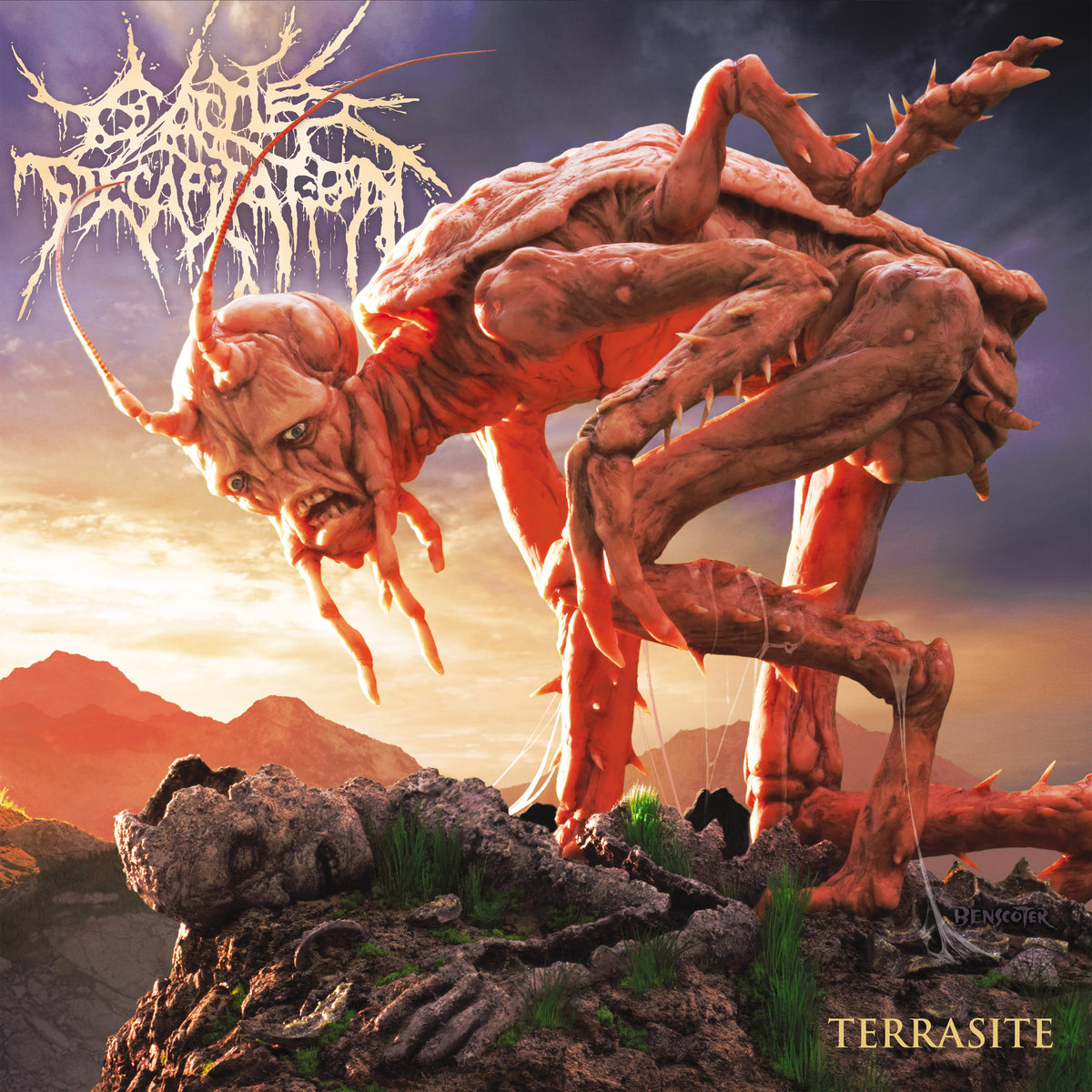
These legal developments carry profound implications for American metal bands at every level. Independent venues that host Cattle Decapitation, Frozen Soul, and countless underground acts rely on competitive marketplace dynamics to negotiate fair booking terms and ticket pricing structures.
The monopolization concerns extend beyond simple venue booking into ticketing systems, merchandise distribution, and promotional opportunities. When single corporate entities control multiple aspects of live music presentation, emerging bands face increasingly difficult barriers to reaching audiences and building sustainable careers.
For established acts, corporate consolidation can mean reduced negotiating power and fewer options for creative tour routing. The maritime festival trend mentioned earlier represents one response to these limitations—bands and promoters seeking alternative presentation formats that bypass traditional venue-ticketing monopolization entirely.
Regional scenes particularly suffer under monopolistic practices, as corporate decision-making often prioritizes major markets while neglecting smaller communities where underground metal thrives. The potential legal remedies could restore competitive balance that benefits both emerging artists and dedicated fans seeking diverse live music options.
Legacy Act Collaborations: Multi-Vocalist Experiments Push Creative Boundaries
Innovation in legacy act presentation continues evolving as veteran musicians explore collaborative formats that transcend traditional lineup limitations. The concept of multiple vocalists sharing stages throughout single performances offers fascinating possibilities for bands with complex historical trajectories and diverse fan preferences.
These multi-vocalist approaches reflect deeper trends in how established metal acts navigate their extensive catalogs while honoring different eras of their musical evolution. Rather than choosing single artistic directions, some bands are embracing comprehensive approaches that celebrate their entire creative journeys simultaneously.
The concept particularly resonates within thrash metal circles, where vocal approaches often define distinct album eras and fan loyalties. Acts like Sadus and other technical thrash pioneers understand how different vocal styles can completely transform familiar compositions' impact and reception.
For American metal fans, these collaborative experiments offer rare opportunities to experience comprehensive artistic retrospectives that might otherwise remain impossible. The logistical challenges are significant, but the potential rewards include performances that capture complete band histories rather than single snapshot moments.
This trend also demonstrates how legacy acts can remain creatively vital without necessarily recording new material. By reconceptualizing their existing catalogs through collaborative presentations, veteran bands maintain relevance while offering fresh experiences to longtime supporters.
Anniversary Celebrations and Catalog Deep Dives: Bands Revisit Career Milestones
The current metal landscape shows renewed appreciation for comprehensive career retrospectives, as bands develop sophisticated approaches to celebrating significant anniversaries and catalog milestones. These celebrations go beyond simple greatest hits compilations to encompass full album performances, rare track revivals, and historically informed presentations.
American metal acts are discovering that anniversary tours and catalog celebrations can generate tremendous fan enthusiasm while providing creative opportunities to revisit material from new perspectives. The format allows bands to explore their evolution while demonstrating how earlier compositions connect to current artistic directions.
For bands working in extreme metal genres, these retrospective approaches offer chances to showcase technical growth and evolving production approaches across multiple decades. Acts working in death metal, doom, and progressive territories particularly benefit from demonstrating how their compositional sophistication has developed over time.
The anniversary celebration trend also provides opportunities for bands to collaborate with current underground acts as support performers, creating intergenerational connections that benefit both established and emerging artists. These pairings often introduce younger audiences to classic material while exposing veteran acts' followers to contemporary innovations.
International Collaborations: Cross-Continental Musical Partnerships
Cross-continental collaborations continue expanding as American metal musicians increasingly work with European counterparts on touring and recording projects. These international partnerships reflect metal's global nature while providing artists access to different musical traditions, production approaches, and audience markets.
The collaboration between American and European metal scenes particularly benefits from complementary strengths—American bands often bring innovative genre-blending approaches while European acts contribute technical precision and historical metal knowledge. These partnerships create artistic synthesis that enriches both regional scenes.
For touring purposes, international collaborations help American bands access European festival circuits while providing European acts American market exposure. The logistical challenges are significant, but successful partnerships can dramatically expand career opportunities for all involved musicians.
The trend also demonstrates how modern metal transcends national boundaries, with bands like Inter Arma showing how American sludge and post-metal can incorporate European extreme metal influences while maintaining distinctive regional characteristics.
Looking Forward: Industry Evolution and Artistic Innovation
The convergence of innovative touring concepts, legal industry challenges, and collaborative artistic experiments signals significant evolution within American metal's infrastructure and creative approaches. Bands are simultaneously adapting to corporate consolidation concerns while exploring unprecedented opportunities for audience engagement and artistic expression.
Maritime festivals, multi-vocalist collaborations, and comprehensive anniversary celebrations represent just initial examples of how metal bands are pushing beyond traditional presentation formats. As legal remedies potentially restore competitive balance to live music markets, even more creative touring and presentation options may become viable.
For underground American metal bands, these developments create both opportunities and challenges. While corporate monopolization threatens independent venue access, innovative presentation formats offer new pathways for reaching dedicated audiences and building sustainable careers.
The future likely holds continued experimentation in how metal bands connect with fans, present their material, and navigate industry infrastructure. Whether through floating festivals, collaborative performances, or entirely new formats yet to be developed, American metal's creative resilience continues driving innovation that benefits artists and audiences alike.
As these trends develop, the upcoming shows landscape will likely reflect increasing diversity in presentation formats, while emerging bands submitting their information to regional databases can explore multiple pathways for reaching audiences beyond traditional venue circuits.