Bello's Blue-Collar Gospel, Winston McCall's Big Claim, and the NWOTHM Underground US Metal Should Be Watching
Somewhere between a bassist dishing out career advice and a frontman staking a claim on an entire continent's musical legacy, this week's metal news cycle offered a reminder that the genre's biggest conversations always circle back to the same thing: who's grinding it out, who's cashing in decades of work, and who's quietly building the next wave from a basement practice space. For the US scene, that mix of veteran wisdom and underground hustle is exactly where the action is right now.
Frank Bello's Blue-Collar Gospel
Anthrax bassist Frank Bello has spent over three decades in one of thrash metal's defining bands, and when Allparts Music's "WhosABadass" series asked him what he'd tell a young musician trying to break in, he didn't reach for anything mystical. He kept it simple and direct.
"The main word... it's all about drive and persistence," Bello said, emphasizing that talent alone rarely gets anyone through the door — it's the ones who keep showing up who eventually make it.
It's advice that lands differently depending on where you're standing in the scene. For the touring vets, it's confirmation of everything they already know. For the hundreds of bands grinding through regional circuits — the kind that make up the backbone of the US metal scene — it's a validation that persistence isn't just a cliché, it's the actual business model. If you're one of those bands still figuring out how to get noticed, submit your band and get in front of an audience that's actively looking for what's next.
Winston McCall's Big Claim, and What It Means for US Metalcore
Parkway Drive frontman Winston McCall isn't shy about his band's footprint. Speaking with Germany's Star FM, he was asked about Parkway Drive's cultural impact back home in Australia, and he didn't hedge.
"I'm aware that we're a big band. We are... by far the biggest thing to come out of [Australia] in terms of heavy music," McCall said.
It's a bold statement, but it's also a useful jumping-off point for thinking about regional identity in metal — something the US scene wrestles with constantly. Every region wants its flagship band, the one that proves the local scene can compete on a global stage. Metalcore in particular has always been fertile ground for that kind of regional pride, and it's a genre where American bands like the regionally rooted NZ are carrying that torch, building the kind of riff-driven, breakdown-heavy sound that put bands like Parkway Drive on arena stages worldwide. The lesson from McCall's comments isn't really about Australia — it's about how a single band's persistence (there's that word again) can reshape how an entire country's heavy music scene gets perceived internationally.
The Comedy Desk: Dave Mustcomplain Keeps Swinging
MetalSucks' "Disgruntled Dad Reviews" column continues to be one of the more entertaining running bits in metal media, and this week Dave Mustcomplain tackled two records that couldn't be more different. First up was Artificial Brain's new album "Antillia," which apparently won the column over before a single note played — the artwork alone, by the site's own admission, sealed the deal. Then came a sharp pivot to Electric Callboy's "Tanzneid," a record that gave the satirical reviewer something considerably weirder to chew on than the usual death metal fare.
The format works because it pokes fun at metal fandom's pretensions while still taking the music seriously enough to engage with it. It's a good reminder that criticism in this scene doesn't have to be dry to be useful — sometimes the funniest take is also the most honest one.
Ethics in the Pit: The Tim Lambesis Question Won't Go Away
MetalSucks' new "Do I Suck?" column tackled a genuinely thorny scene dilemma this week: is it justified to revoke a wedding guest's plus-one invitation because her boyfriend still publicly supports former As I Lay Dying frontman Tim Lambesis? It's the kind of question that sounds petty on its surface but actually gets at something real — how American metal communities process accountability, forgiveness, and the social consequences of standing by controversial figures.
These debates never fully resolve, and that's sort of the point. The metal scene prides itself on being a tight-knit, loyal community, but that loyalty gets tested constantly by exactly these kinds of situations. Whether you land on "yes, cut the invite" or "no, people get to make their own choices," the fact that MetalSucks is dedicating a recurring column to scene ethics says something about where fan culture is headed in 2026 — more willing to interrogate itself publicly than it's ever been.
Old-School Devotion: Tributes Keep the NWOTHM Flame Burning
Two tribute releases this week point to something the US scene doesn't talk about enough: the NWOTHM and traditional heavy metal underground is thriving, even if coverage hasn't caught up to it yet. German thrash cult act Holy Moses is dropping a cover of Venom's "Countess Bathory" as a direct tribute to the late Cronos, alongside an unplugged take on their own classic "Panic." Meanwhile, longtime W.A.S.P. drummer Aquiles Priester teamed up with Brazilian death metal band Slaughter Sisters' Isa Nielsen and Lívia Lee for a cover of Sarcófago's "Screeches From The Silence."
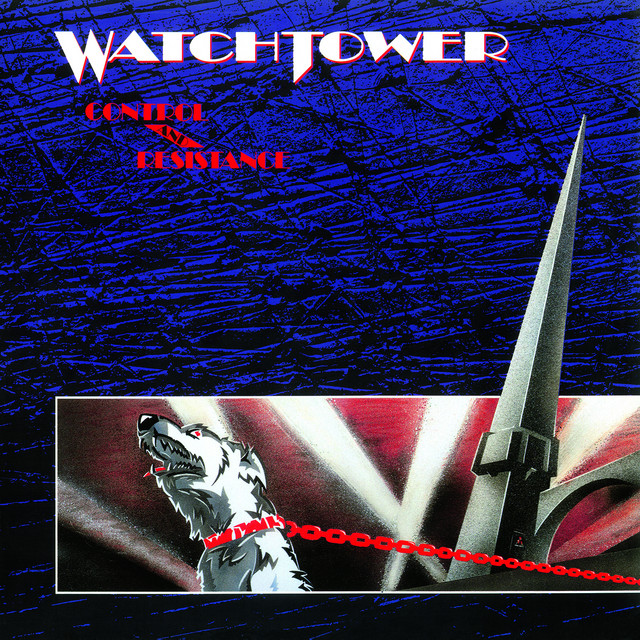
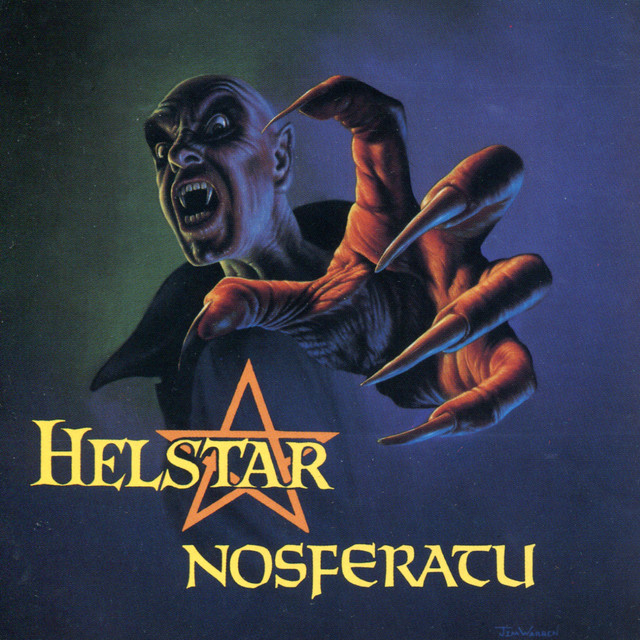
Both moves are about honoring lineage — reminding newer fans where the extremity they love actually came from. That same spirit runs through plenty of American heavy metal and speed metal acts carrying the NWOTHM torch, from Texas progressive thrash veterans like Watchtower to power and speed metal mainstays like Helstar, both of whom represent exactly the kind of traditional-leaning, musicianship-first metal that these tribute tracks are paying homage to. Solo heavy metal artist Tony Flores fits that same lineage, proof that the old-school sound is still being actively written, not just covered. Heavy metal and NWOTHM remain some of the most underserved corners of the US scene in terms of press coverage, which makes moments like this worth highlighting whenever they surface.
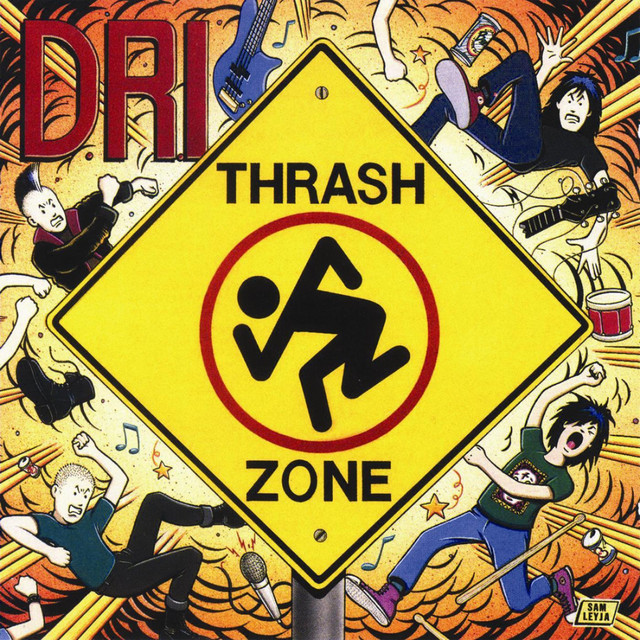
On the crust and extremity side, crossover thrash pioneers D.R.I. remain the reference point that still-active American hardcore-crust hybrids build on, and that same riff-forward, no-frills aggression shows up in regional acts like Swamp Wolf, who blend black metal, crust punk, and sludge into something genuinely regional and underexposed. It's a genre with hundreds of bands in indexes like this one and almost zero press coverage — something worth correcting going forward.
Symphonic Metal's Loud, Ambitious 2027
Floor Jansen, the former Nightwish powerhouse vocalist, dropped "Reversed Polarity," the fourth single from her upcoming solo album "Hytress," due January 15, 2027. Around the same time, Within Temptation announced "Through Fire & Ashes — The 2027 Tour," promising one of the most ambitious stage productions of the Dutch band's three-decade career. Together, these announcements signal that symphonic metal isn't just surviving — it's scaling up, betting on spectacle and vocal firepower to fill rooms a year out.
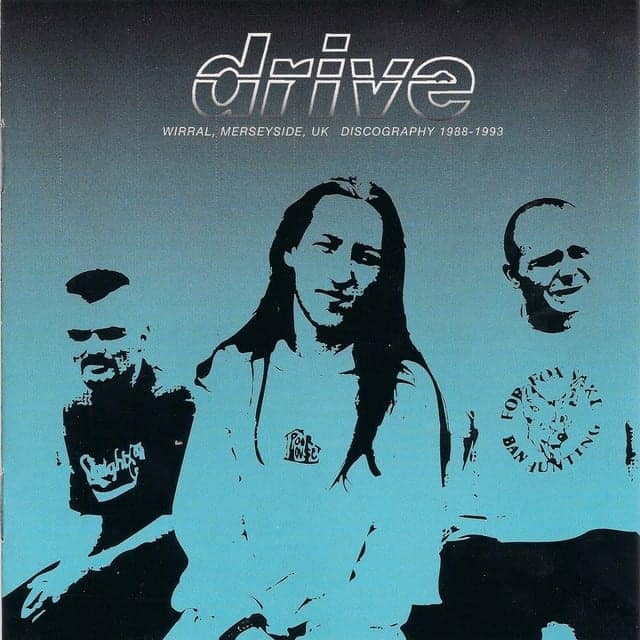
That genre's emphasis on technical vocal command and orchestral ambition has an American cousin in progressive and power metal, where bands like Drive are working similar territory — big, layered arrangements built for a scene that still rewards musicianship over minimalism. If you're tracking which metal bands touring in 2026 and 2027 are worth planning a road trip around, symphonic and power metal packages are shaping up to be some of the most visually ambitious tickets on the market.
Bass Lines, New Releases, and Where US Metal Heads Next
Metal Injection's rundown of the 10 best metal bass intros of all time is a fun reminder that some of the best heavy metal songs ever written open with low-end groove rather than a guitar riff — a detail that ties neatly back to Frank Bello's career as a bassist who's spent decades proving rhythm sections deserve the spotlight too. Meanwhile, this week's new release roundup from Northlane, Rosetta, Leviathan, Mgta, and PeelingFlesh shows the breadth of what's dropping right now, from metalcore to post-metal to raw extremity.
It's worth remembering that the US scene's black metal and experimental underground — categories like the raw, uncompromising sound represented by Till — rarely get this kind of mainstream press attention despite hundreds of active bands filling out regional bills every month. If 2026 is going to be the year new metal bands finally get their due, it'll be because scenes keep documenting what's actually happening on the ground rather than waiting for the algorithm to catch up. Check upcoming shows near you, support the openers, and keep an eye on the bands quietly building the next chapter of the best metal albums of all time.