Power Trip Rides Shotgun in GTA VI, Drowning Pool Loses Its Voice Again, and Death Metal's Blastbeat Takeover Keeps Rolling
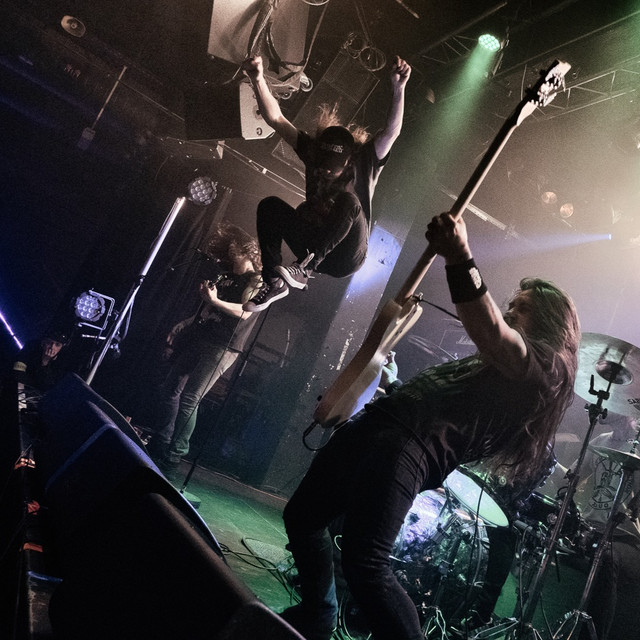
There's something fitting about the fact that Texas crossover thrash titans Power Trip are reaching more ears in 2026 than at almost any point in the band's history — and they're doing it from beyond the grave. The late Riley Gale's band just landed a soundtrack slot on one of the biggest cultural events of the decade, and the US metal scene is feeling the ripple effect in real time.
Power Trip's "Mutual Death Warrant" Hits Different Inside GTA VI
Power Trip's exclusive single "Mutual Death Warrant" debuted inside Grand Theft Auto VI and is now streaming everywhere, giving the Dallas-born crossover outfit a reach that extends well past the usual death metal and thrash circuits. For a band that's been dormant since Gale's passing in 2020, this feels less like a cash-in and more like a reminder of why Power Trip became one of the most important American metal exports of the last decade — a band that bridged hardcore, thrash, and death metal into something stadium-sized without losing an ounce of grit.
It's a good moment to point out that Texas is still producing bands carrying that same crossover DNA. Texas crust and d-beat outfit Mammoth Grinder has been mining similar territory for years, fusing death metal weight with hardcore velocity, proof that the Lone Star State's underground is still every bit as vital as it was when Power Trip first broke through.
Trivium, In Flames, Fit For An Autopsy, and Frozen Soul Bring the Heat North
Speaking of Texas death metal exports, Fort Worth's own Frozen Soul made an appearance alongside Trivium, In Flames, and Fit For An Autopsy on a run that pushed through Canada's brutal winter weather and reminded everyone why this particular package is one of the hardest-hitting bills touring right now. Trivium remains one of the most reliable American metal bands touring in 2026, a band that's managed to stay relevant across three decades of trend cycles without ever fully abandoning its Floridian thrash-metalcore roots.
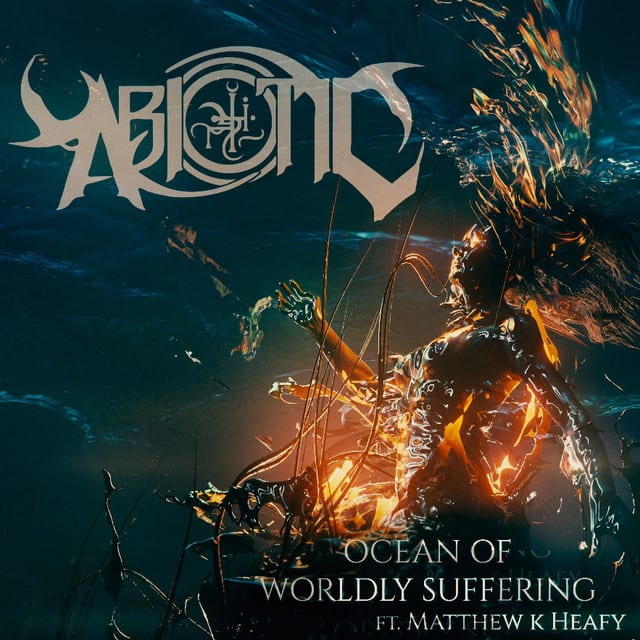
Fit For An Autopsy's deathcore brutality paired with Frozen Soul's old-school Floridian-via-Texas death metal churn made for a lineup that showed just how much cross-pollination is happening between regional death metal scenes right now. It's worth noting that Florida's own death metal scene is still producing heavy hitters too — Florida technical death metal band Abiotic continues to represent that lineage of punishing, technically dense death metal that's always defined the Sunshine State's underground. If you're building out your 2026 touring calendar, packages like this one are exactly why checking upcoming shows near you is worth the habit.
Ryan McCombs Walks Away From Drowning Pool — Again
Lineup drama is nothing new in American rock and metal, but Ryan McCombs' second exit from Drowning Pool still stings for fans who watched him rejoin the band back in early 2023 following Jasen Moreno's departure. McCombs first fronted the Dallas-born band from 2005 to 2011, and now, after three and a half years back in the fold, he's stepping away again — this time to put his full focus back on SOiL, the band he's spent the better part of two decades building a parallel legacy with.
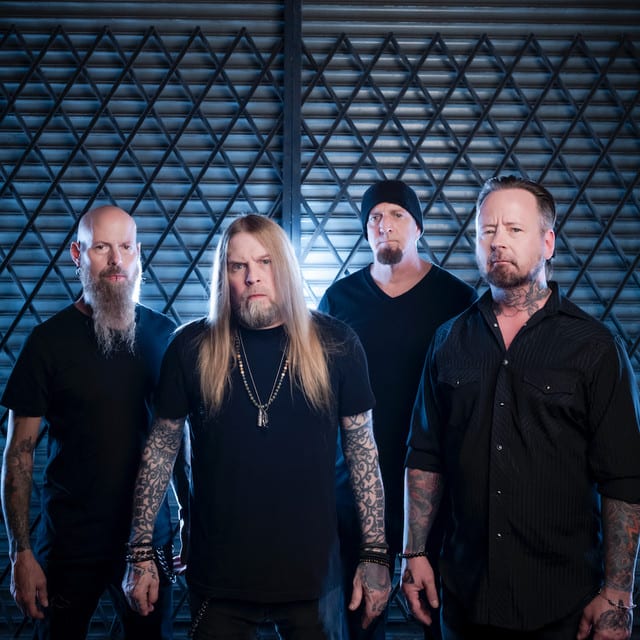
"We felt the timing was right for all involved," McCombs said of the split, a diplomatic line that nonetheless leaves Drowning Pool searching for a vocalist yet again.
It's a reminder that even bands with a genuine hit single to their name — in Drowning Pool's case, one that's followed them for a quarter century — aren't immune to the revolving-door reality that defines so much of the American hard rock and metal landscape. For McCombs, doubling down on SOiL at least offers some stability after years of splitting his attention between two active projects.
Legacy Acts Keep Looking Backward to Move Forward
This week also brought a wave of nostalgia from some of the architects of American metal's golden era. Seattle's own Geoff Tate reflected on Queensrÿche's Rage For Order, which turns 40 in 2026 — an album that, in Tate's words, found the band "really trying to push the boundaries of what we had done before." It's a fair assessment; Rage For Order remains one of the most sonically adventurous records to come out of the 80s metal bands era, trading in the straightforward NWOBHM-indebted sound of Queensrÿche's debut for something far moodier and more progressive. Four decades later, it's still cited in conversations about the best metal albums of all time, and it's aged into something closer to a blueprint than a curiosity.
Meanwhile, NYC post-hardcore institution Quicksand announced a spring 2027 European run dubbed "Bring On The Psychics," kicking off in Vienna and sprawling across 24 dates through the UK, mainland Europe, and Scandinavia. Quicksand's influence on American post-hardcore and metalcore is still massively underrated — bands routinely cite Walter Schreifels' riffing as a bridge between hardcore and the heavier alternative metal that followed, and a tour announcement this far out shows there's still substantial international demand for that catalog.
And in a smaller but no less interesting development, former Biohazard bassist/vocalist Evan Seinfeld confirmed he's sitting on 20 recorded songs for his new solo project, Shed My Skin, describing the material as "dramatically different" from Biohazard's street-level NYC hardcore-metal fusion. It's a familiar move for veteran metal musicians looking to stretch outside their established sound — not unlike how Maynard James Keenan's industrial-leaning alternative project Puscifer gave him room to explore textures that Tool and A Perfect Circle never quite accommodated. Seinfeld's pivot is a small example of a much bigger trend: veteran metal musicians increasingly treating genre as a toolbox rather than a cage.
Blastbeats Went Mainstream — and the Underground Never Stopped Building
There's an ongoing conversation in metal media right now about how Slipknot's commercial dominance cracked the door open for extremity to enter the mainstream, and how modern metal bands are now far more comfortable borrowing techniques straight from the underground — blastbeats, grind textures, dissonant riffing — without alienating a mass audience. It's a fair point, but it also risks flattening a reality that's been true in the American death metal scene for decades: bands have been pushing extremity as a baseline, not a novelty, long before it was commercially safe to do so.
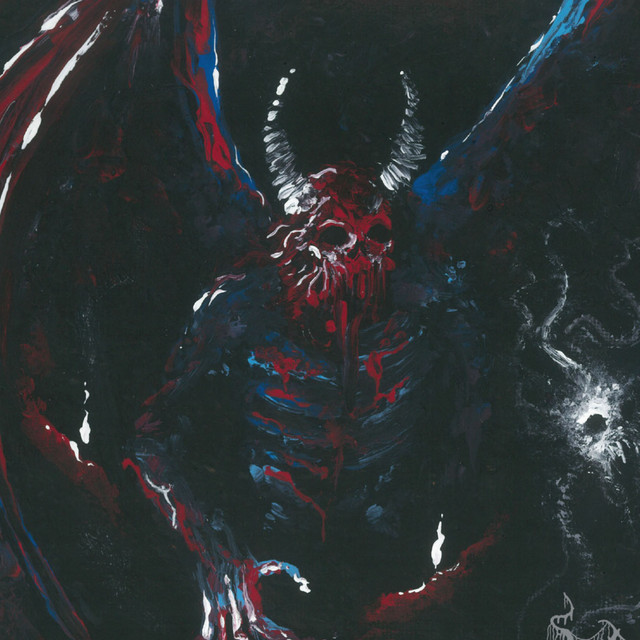
You don't have to look far in the current US metal scene to find acts carrying that torch without waiting for mainstream permission. Death metal band Rut is exactly the kind of act that illustrates why this conversation matters regionally — bands operating well outside the spotlight, pushing the same sonic boundaries that eventually trickle up into arena-filling bands' records years later. The underground isn't catching up to the mainstream; if anything, it's the other way around, and it has been for a long time.
This same discussion extends into genres that get criminally under-covered relative to their actual size in the index — crust punk and experimental metal chief among them. Both scenes are full of bands quietly doing the genre-blurring work that eventually gets credited to much bigger names once it filters upward. If you're in a crust, sludge, or experimental metal band doing work that deserves wider ears, this is exactly the kind of gap worth closing — submit your band and get it on the radar.
The Hiring Debate That Keeps Resurfacing
Rounding out the week's discourse, Rush bassist Geddy Lee addressed backlash over the band's decision to bring in drummer Anika Nilles, flatly dismissing claims of a "woke agenda" behind the hire. "We chose Anika because she's brilliant," Lee said — a simple, almost obvious point that nonetheless needed saying out loud in 2026. It's a conversation that extends well beyond prog-rock circles and into every corner of the US metal scene, where the "best metal bands" conversation should always come down to musicianship first. Whether it's a legacy act making a lineup change or a brand-new band trying to break through in 2026, talent should be the only qualifier that matters — and increasingly, it is.
Between posthumous comebacks, lineup shakeups, anniversary reflections, and an underground that keeps pushing extremity forward without asking for credit, this week's headlines are a solid snapshot of where American metal stands heading into 2026: restless, backward-looking and forward-thinking in equal measure, and still fundamentally powered by the regional scenes that rarely make the front page.