Triumph's Abrupt Tour Cancellation Puts a Spotlight on the Fragile State of the 80s Metal Touring Circuit
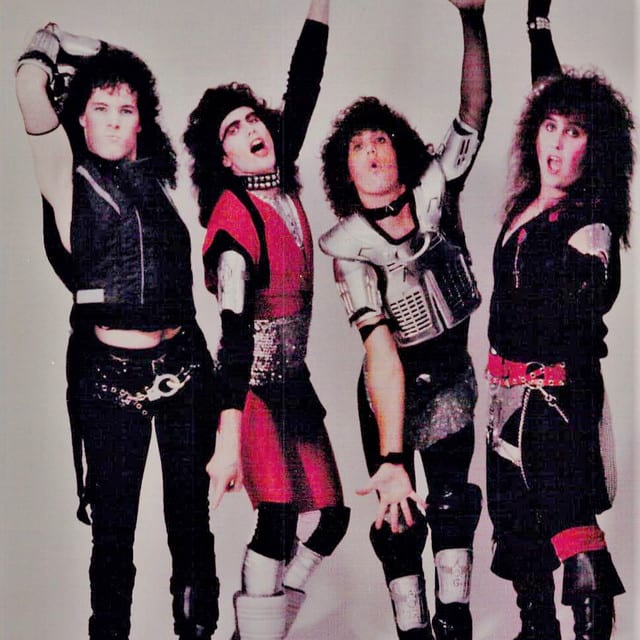
Rock radio woke up today to a gut punch: Canadian arena-rock legends Triumph have scrapped the entire second leg of their "Rock & Roll Machine Reloaded" tour, citing "sudden and unexpected medical circumstances affecting the band." The cancellation wipes out a string of Midwest and Northeast dates that were supposed to carry the trio through some of the biggest markets in the country, and it's the kind of news that lands hard in a US metal scene still trying to figure out how many more runs its 80s metal bands have left in the tank.
Triumph's situation isn't isolated. It's part of a bigger, uncomfortable conversation happening across arena and club circuits alike — how do you keep booking metal bands touring 2026 schedules when half your headliners are pushing seventy? Great White's Mark Kendall was just asked to reflect on the death of his longtime bandmate Jack Russell, telling Detroit's WRIF that the two were "connected at the hip" for their entire career. That kind of brotherhood — and the mortality that eventually comes for it — is the subtext running underneath every classic-rock-adjacent metal bill still rolling through sheds and theaters this year.
Skid Row's Gamble and the New Face of Legacy Metal
Not every veteran act is retreating, though. Skid Row just introduced the metal world to Justin Sargent, their new frontman and a Broadway veteran stepping into a job that's been a revolving door since Erik Grönwall's exit more than two and a half years ago. Sargent called the gig "surreal" and "a dream come true" during an appearance on SiriusXM's "Trunk Nation," sharing the mic with guitarist Dave "Snake" Sabo. It's a reminder that even bands synonymous with a specific era can reinvent their frontline when the alternative is silence.
That tension — hold the line with the original lineup or bring in fresh blood — is exactly why the NWOTHM revival has become one of the most interesting undercurrents in the US metal scene right now. Bands aren't trying to replace Skid Row or Triumph; they're trying to carry the torch those bands lit decades ago. Regional acts like the Heavy Metal / NWOTHM band Stryken, Heavy Metal / NWOTHM act Dancyr, and Heavy Metal / NWOTHM group Alien have quietly built followings by leaning directly into the twin-guitar, big-chorus sound that made the 80s metal bands era so enduring in the first place. It's a genre with hundreds of active bands and almost no dedicated press coverage, which feels like an oversight given how much energy is flowing into it right now.
Metal Church Keeps the West Coast Thrash Flame Burning
Speaking of veterans who refuse to sit down: Metal Church dropped a new music video for "Dead to Rights," the title track off their thirteenth studio album, which came out back in April via Rat Pak Records. The clip splices in footage from the band's set at the Alcatraz festival, and it's a nice reminder that West Coast thrash's old guard is still out there grinding, still delivering the kind of riffs that made them a pillar of the best metal bands conversation for anyone who came up on 80s and 90s thrash.
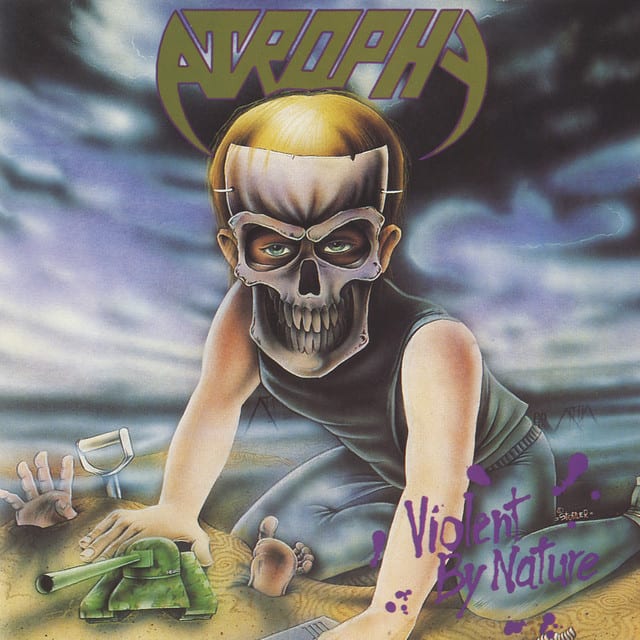
That durability is a good entry point into the current state of American thrash more broadly. The genre's DNA runs straight through regional crossover acts carrying the same aggressive, no-frills ethos today — bands like ANS, whose blend of crossover thrash, hardcore punk, and straight-up thrash metal keeps that circle-pit lineage alive in clubs that will never see a Metal Church-sized production budget, and thrash metal veterans Atrophy, who've been representing the style since the genre's first wave. Add in acts like heavy/thrash hybrid Category 7 and thrash metal band Euphoria, and you've got a genuine underground current still pushing the sound forward decades after it first broke.
Reign in Blood Turns 40 — and Thrash's Influence Still Ripples Outward
While we're talking thrash lineage, it's worth pausing on something bigger: Slayer's "Reign in Blood" just hit its 40th anniversary, and former drummer Dave Lombardo gave a candid interview to This Day in Metal reflecting on the record's mixed initial reception. "The reviews weren't all great at the time," Lombardo said, which is a wild thing to hear about an album that routinely tops every list of the best metal albums of all time. It's a useful history lesson for anyone chasing new metal bands 2026 hype cycles — sometimes the records that end up defining a genre get dismissed before they get canonized.
That kind of patience matters for regional crossover thrash and groove metal bands grinding right now without a national spotlight. Bands like groove metal act Circumstance are putting in the same unglamorous work that eventually turned Slayer into a genre-defining act — building a live reputation one gig at a time rather than chasing instant validation. It's not a direct comparison in scale, but the grind is the grind, regardless of era.
Brotherhood, Stubbornness, and the Glue That Holds Bands Together
On a lighter note, Nickelback bassist Mike Kroeger sat down with Eddie Trunk and gave what might be the most honest explanation of band chemistry we've heard all year. Asked how he's managed to work alongside his brother, frontman Chad Kroeger, for more than three decades, Mike didn't reach for some poetic answer about shared musical vision. He kept it blunt:
"We're just incredibly stubborn."
It's a funny line, but it cuts at something real. Longevity in this business — whether you're an arena act or a DIY crossover thrash outfit playing basements — usually comes down to some combination of stubbornness, tolerance, and an unwillingness to quit when things get ugly. Nonpoint's Elias Soriano touched on a similar theme discussing "The Last Word," the band's eleventh studio album, which dropped in September after roughly two years in the works. Soriano made it clear the record wasn't rushed; the band let it develop on its own schedule rather than forcing a release to hit some arbitrary deadline. That kind of patience is increasingly rare in a streaming-driven landscape, and it's refreshing to see a veteran outfit still willing to sit with material instead of chasing an algorithm.
Genre-Blending Keeps Pushing the Underground Forward
Biohazard's Evan Seinfeld is taking a different route entirely with his new solo venture, Shed My Skin. Speaking on the Heartdea13r Podcast, Seinfeld described elements of the project as "trap metal," signaling yet another genre-blending experiment from a guy whose resume already includes some of the most influential NYC hardcore-metal crossover of the 90s. It's the kind of move that fits squarely into the experimental corner of the scene — a genre category that's been expanding steadily in the US underground without getting nearly enough ink. If Seinfeld's hybrid approach pays off, don't be shocked if more veteran metal and hardcore musicians start raiding trap and hip-hop production techniques for inspiration rather than treating genre lines as sacred.
Meanwhile, Killswitch Engage's Jesse Leach floated the idea of releasing an EP or a handful of standalone singles instead of committing to another full-length, telling Australia's Heavy that shorter, more frequent releases might actually suit the band better right now. It's a format question a lot of American metal and metalcore bands are quietly wrestling with — full-lengths take years, cost real money, and don't always match how fans consume music anymore. Expect more acts across the spectrum, from established metalcore outfits to regional crossover thrash bands, to experiment with the singles-first model heading into 2026.
Keeping an Eye on the Underground
None of this — the cancellations, the lineup shuffles, the format experiments — changes the fact that the backbone of American metal is still the regional scene. Bands like black metal and death metal act Aske are out there doing the unglamorous work of building an audience from the ground up, the same way Slayer, Metal Church, and Triumph did decades before streaming numbers mattered. If you're touring through the Midwest or Northeast this winter and want to see who's actually filling the void left by canceled legacy tours, check upcoming shows in your area — there's a good chance a local thrash, groove, or black metal bill is picking up the slack. And if your band is grinding through that same process right now, submit your band to get on our radar. The next generation of best heavy metal songs isn't getting written in a boardroom — it's getting written in vans between gigs, which is exactly where this scene has always lived.