Surrender and the Long Riff: TJ Lemieux's 'Kova' and the Thrash Legends Refusing to Fade
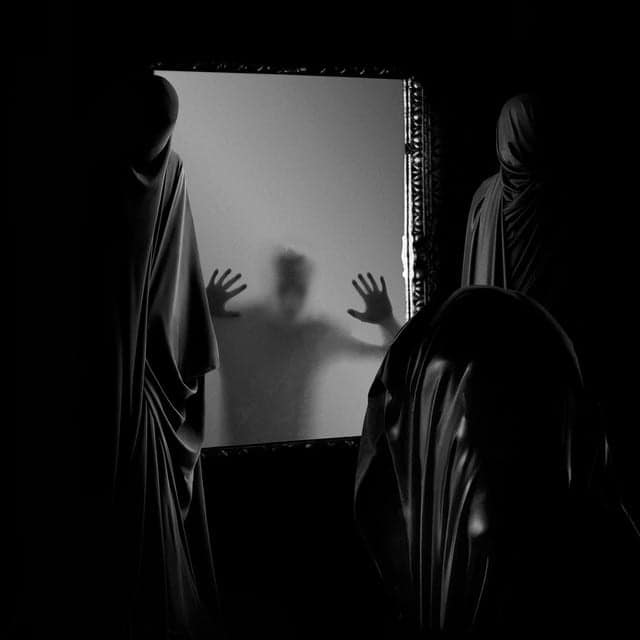
There's a particular kind of honesty that only shows up in interviews given by people who've had life take something from them and demand they keep making art anyway. That's the energy running through TJ Lemieux's new conversation about Deathchant's latest record, Kova, and it's the thread we're pulling on this week as the US heavy scene grapples with grief, legacy, and the stubborn refusal of its elder statesmen to quit.
Deathchant's TJ Lemieux on Loss, Surrender, and 'Kova'
Deathchant, the heavy psych and stoner outfit that's been quietly building one of the most emotionally direct catalogs in American heavy rock, just gave one of the more affecting interviews of the year. Frontman TJ Lemieux opened up about the personal loss that shaped Kova, and the line that's going to stick with anyone who reads it is deceptively simple: "You just have to surrender. Life's gonna beat your ass either way. It's also gonna reward you either way."
That's not a marketing tagline. That's a mission statement for an entire subgenre. Stoner metal and heavy psych have always traded in a kind of cosmic fatalism — the riff as a coping mechanism, distortion as a stand-in for things too big to say plainly. What makes Lemieux's comments land is how unguarded they are. There's no bravado here, no posturing about conquering adversity. It's acceptance, dressed in fuzz pedals. If you've spent any time with the doom and stoner corners of the US metal scene, you know that's often the most honest thing a songwriter can offer — not triumph, just the willingness to keep showing up to the amp.
Kova deserves attention on its own merits, but the interview elevates it into something else: a document of how American heavy music processes grief in real time, without the neat resolution a bigger, more commercially minded record might force. It's a reminder that some of the best heavy metal songs being written right now aren't chasing chart positions — they're chasing catharsis, and Deathchant just handed listeners a fresh, unflinching example of that.
The Big Four, Revisited: A Book and a Reckoning With Thrash's Improbable Rise
Meanwhile, the historical record on American thrash is getting a serious upgrade. A new book, tentatively framed around "Heavy Metal's Big Four," is due out in November, promising a deep dive into how Metallica, Megadeth, Anthrax, and Slayer took a genre that by all commercial logic should have stayed underground — too fast, too aggressive, too DIY for radio — and turned it into a global institution.
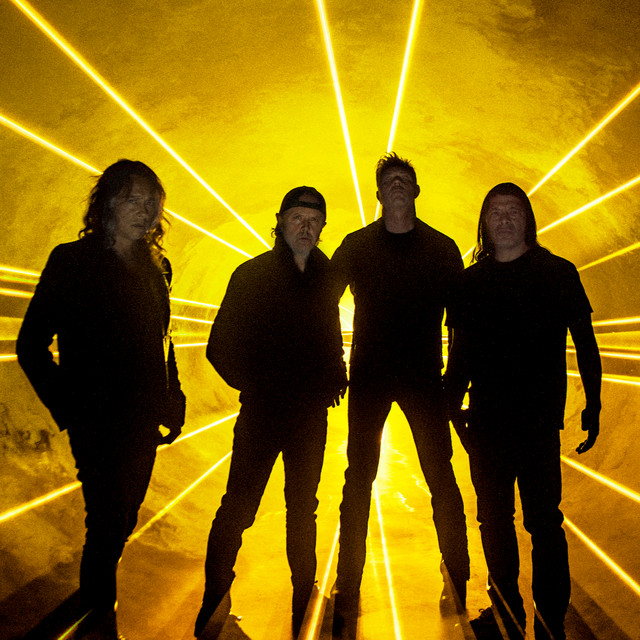
It's worth sitting with how genuinely improbable that success was. Thrash didn't arrive with major-label polish or MTV-friendly hooks. It arrived from garages, VFW halls, and tape-trading networks, powered by kids who wanted something faster and meaner than what mainstream rock was offering. That DIY ethos is baked into the DNA of the US metal scene we cover today — every regional death metal crew, every crust punk collective, every basement show booked through word of mouth traces a lineage back to those early thrash years when nobody was waiting for permission.
That history feels especially relevant given what's happening with two of those four bands right now. Anthrax members have been publicly dismissing retirement talk following the release of their first album in a decade, Cursum Perficio, even while acknowledging the record could conceivably be their last full-length. Bassist Frank Bello has been candid about the album's noticeably darker tone, chalking it up simply to where the band is emotionally and creatively at this point in their lives — no bigger concept, just honesty about the present moment. That's a very different kind of surrender than TJ Lemieux's, but it's surrender all the same: acknowledging where you are instead of performing where you think you should be.
Testament's Chuck Billy has been offering a similar kind of reflection, describing the distance between the band's 1987 debut The Legacy and 2025's Para Bellum as practically "a different universe." Coming from a band that's been one of the most consistent presences among 80s metal bands still actively releasing vital material, that's a meaningful admission. These aren't bands coasting on nostalgia circuits — they're still writing, still evolving, and still willing to say out loud that the music they make now doesn't sound like the music that made them famous. That's rare in a genre that can be brutally unforgiving toward artists who change.
Death Metal's Old Guard Keeps Building
On the death metal side, Nile guitarist and vocalist Karl Sanders has been dropping encouraging updates on the songwriting process for the band's follow-up to 2024's The Underworld Awaits Us All, saying things are going great and he's happy with the material taking shape. For a band that's been a pillar of technical, historically minded death metal for three decades, that kind of quiet confidence matters — it signals continuity in a genre that thrives on bands who refuse to soften with age.
That same spirit of relentless forward motion runs through plenty of the regional death metal scene here in the US. Bands like Tomb of Annihilation, Crypt, and Aeviterne are carrying that same commitment to craft and brutality into new material, proof that the death metal underground isn't waiting around for legacy acts to validate it — it's building its own momentum in clubs and basements across the country. If you want a look at where that scene is showing up live, our upcoming shows listings are a good place to start tracking who's coming through your city.
Grief in the Underground: Disfear's Posthumous Tribute
There's a heavier kind of loss running through this week's news too. Swedish d-beat outfit Disfear announced their new album The Last Nail, arriving November 20 via Relapse Records, featuring posthumous contributions from At the Gates frontman Tomas Lindberg and drummer Marcus Andersson, both of whom passed before the record's completion. It's a gutting reminder of how thin the line is between a band's creative peak and irreversible loss — and it echoes, in its own way, the themes running through Deathchant's Kova. Grief doesn't wait for a convenient moment to show up in the music; sometimes the music is finished, and the people who made it are gone before anyone hears it.
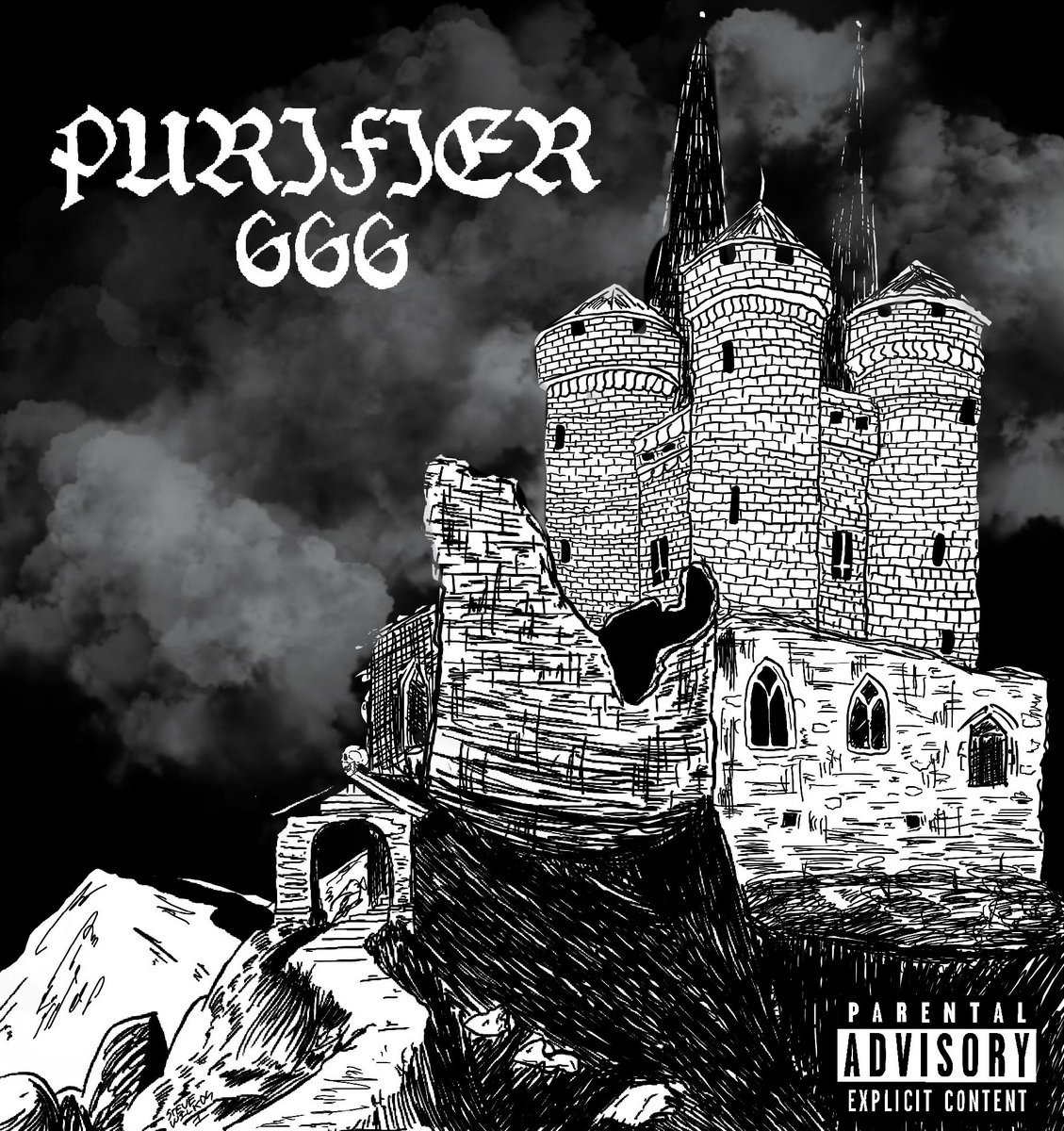
That intersection of crust, d-beat, and raw aggression is exactly the kind of terrain where the US underground still has room to grow. Crust punk and raw black metal remain some of the most underserved corners of the American heavy scene in terms of coverage, even as bands like Swartwoud and Purifier 666 keep pushing raw, uncompromising material out into the world. If Disfear's tribute record does anything for the broader scene, it should be a reminder that these subgenres deserve the same critical attention as their more commercially visible cousins.
What This Week Says About the US Scene Heading Into 2026
Taken together, this week's headlines paint a picture of a scene that's neither purely nostalgic nor purely forward-looking — it's both at once. The bands that built American metal's foundation are still writing, still touring, and still willing to be honest about where they are, whether that's Anthrax admitting a record might be their last, Testament acknowledging just how far they've traveled from their debut, or Nile simply saying the new material feels right. At the same time, newer and regional voices like Deathchant are proving that the genre's emotional core — grief, surrender, reward — hasn't gone anywhere. It's just being expressed by a new generation of players.
With metal bands touring 2026 already shaping up to be one of the busiest circuits in years, and new metal bands 2026 rosters filling out across every subgenre from death doom to experimental, there's never been a better time to pay attention to what's happening outside the festival headliners. If you're in a band building something in this scene, don't wait for someone else to tell your story — submit your band and get on our radar. The best metal albums of all time didn't get made by bands waiting for permission, and the next great American heavy record is probably being tracked in a basement somewhere right now, powered by exactly the kind of surrender TJ Lemieux was talking about.