No Shortcuts: Why Metal's Biggest Names Are Doubling Down on the Human Element in 2026
Every so often the news cycle lines up in a way that says something bigger than any single headline. This week, that theme is unmistakable: from a legendary punk guitarist's passing to a platinum-selling frontman drawing a hard line against artificial intelligence, the American hard rock and metal world is having a collective conversation about what actually makes this music worth making. It's a good moment for the US metal scene to pause and take stock, because the bands making headlines right now are all wrestling with the same question in different ways: who gets to be in the room, and why does it matter that a human being is the one holding the instrument?
Losing a Founding Father of American Punk-Metal Aggression
The heaviest news of the week has nothing to do with a new album or a chart position. Cheetah Chrome, guitarist for the Dead Boys, died at 71, and the tributes pouring in describe exactly why his loss stings across genre lines. The Dead Boys weren't a metal band in the strict sense, but their feral energy and no-rules guitar attack fed directly into the DNA of American extreme music — the same DNA that runs through crossover thrash and hardcore-adjacent metal being made in basements and VFW halls across the country right now. Bands carrying that torch today, from New York hardcore-thrash institutions like Cro-Mags to crust-and-thrash hybrids like Wastelander, owe something to the reckless, unpolished spirit Chrome helped invent. It's worth remembering that a lot of what gets filed under "metal" in 2026 has punk's fingerprints all over it, and Cheetah Chrome was one of the people who put them there.

A Tour Bus Crash and the Fragility Behind the Spectacle
Buckcherry guitarist Stevie D. also gave a sobering interview this week about the multi-vehicle crash involving the band's tour bus in South Carolina on August 21, an accident that killed one person and reportedly left members of the touring party shaken well beyond the physical injuries. Life on the road gets romanticized constantly in metal media, but stories like this are a reminder of how much risk is baked into the machinery that makes metal bands touring 2026 even possible. Every band grinding out a club tour or a package run this year is trusting drivers, crews, and a lot of luck. It's the kind of story that doesn't generate excitement, but it deserves attention anyway.
Myles Kennedy Draws a Line on AI — and the Scene Should Listen
On a lighter but no less pointed note, Alter Bridge frontman Myles Kennedy used his appearance on SiriusXM's Trunk Nation to make his position on artificial intelligence in songwriting crystal clear: he wants nothing to do with it as a compositional tool. Kennedy's stance isn't really about fear of technology — it's about insisting that melody, harmony, and rhyme should come from lived experience, not an algorithm trained on someone else's lived experience. That's a philosophy this publication happens to share. The US metal scene has always run on the idea that the person screaming into the mic actually has something to scream about. If you're one of the bands out there proving that point the old-fashioned way, submit your band and let us hear it.
The Search for New Blood: Skid Row, Stryper, and Primus
Speaking of human effort over shortcuts, Skid Row bassist Rachel Bolan gave an update on the band's very public search for a new singer, telling podcast host Mitch Joel that the group has narrowed things down and moved a handful of candidates into a second phase of consideration. It's a rare bit of transparency from a band handling one of rock's most consequential decisions — replacing a frontman — in full view of the fanbase, via a partnership with retail giant Sweetwater rather than behind closed doors.
Stryper fans, meanwhile, got clarity on a different kind of lineup question. Michael Sweet addressed why longtime guitarist Oz Fox doesn't appear on the band's upcoming eighteenth studio album, Throne Of Thorns, due September 25 via Frontiers Music Srl. Sweet's explanation underscores something true of a lot of legacy bands right now: keeping a decades-old lineup intact gets harder every year, and sometimes the healthiest move for everyone involved is acknowledging that plainly instead of pretending nothing's changed.
And then there's Primus, whose bassist Les Claypool spoke glowingly about new drummer John "Hoffer" Hoffman, who beat out more than 6,100 applicants in a global audition process the band dubbed the "Interstellar Drum Derby." Claypool's praise for Hoffman centers less on chops than on character — calling him an incredibly nice, positive human being. In an era where AI tools promise to generate drum parts instantly, Primus went the opposite direction: a massive, very public, very human search for the right person. That's a story worth celebrating.
Star Power Collides on Falling In Reverse's "Joseph"
Falling In Reverse dropped their first new song in over a year this week, and it's a big swing — "Joseph" features guest vocals from both Slipknot's Corey Taylor and System Of A Down's Serj Tankian, two of the most recognizable voices in modern heavy music sharing a track with Ronnie Radke. Collaborations at this scale don't happen by accident; they happen because artists want to be in a room together making something none of them could make alone. It's another data point in the same theme running through this week's news: the magic still comes from people choosing to work with other people.
Reunions, Big and Small
Two reunion stories bookended the week nicely. David Lee Roth and Alex Van Halen sat down together for a TEDxFargo talk more than a decade after Van Halen's last concert and six years after Eddie Van Halen's death — a fifteen-minute conversation about art and human experience that fans have been hoping for since the band's silence began. On a much smaller but equally meaningful scale, metalcore/melodic outfit Hollow Front announced the return of vocalist Dakota Alvarez ahead of their new single "So Long To Yesterday," mending a split that dated back to 2023. Different scales, same instinct: sometimes the right move is simply coming back together.
Legacy Metal Keeps Proving Its Staying Power
Anthrax's Scott Ian used a Rolling Stone Brasil interview to make a case that deserves wider attention: three of the four John Bush-era Anthrax albums — Sound Of White Noise, Volume 8: The Threat Is Real, and We've Come For You All — remain criminally underrated compared to Stomp 442. It's a fair complaint. Ask ten people to list the best metal albums of all time and Bush-era Anthrax rarely makes the cut, despite housing some of the tightest, most muscular thrash songwriting of the '90s. If you're building a list of best heavy metal songs and skipping that catalog, you're doing it wrong.
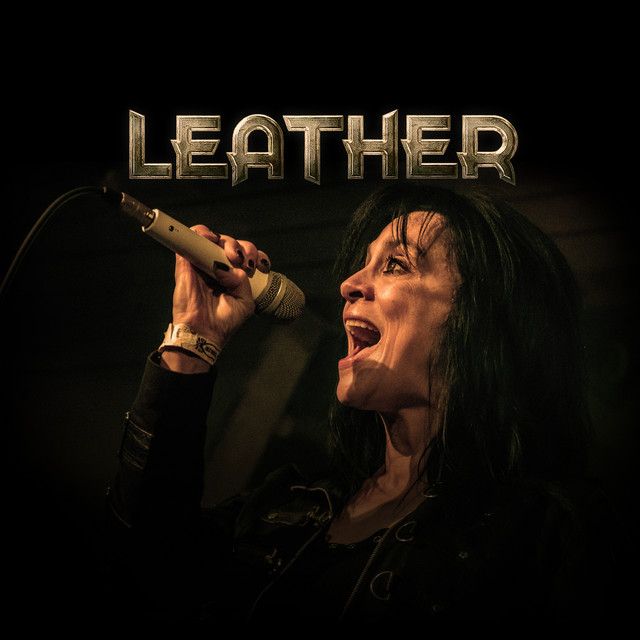
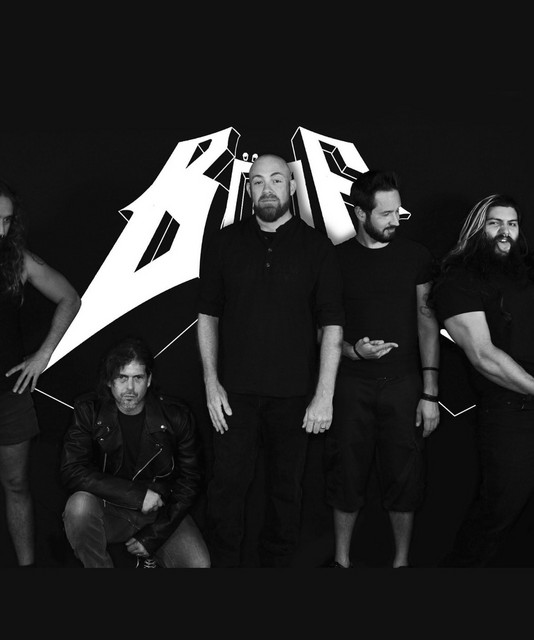
Meanwhile, Slayer guitarist Kerry King continued teasing his second solo album, calling it "a slam dunk" and promising it's crushing — high praise from a guy who co-wrote some of the most punishing riffs thrash has ever produced. And ProgPower USA quietly dropped a lineup bomb for 2027, confirming Nevermore, Metal Church, Masterplan, Lynch Mob, and Eluveitie for the Atlanta festival's 26th edition. That lineup reads like a who's-who of 80s metal bands and the NWOTHM revival that's fed off them — a genre this index tracks closely, with regional torchbearers like Torque, C.I.A., Skeleton Krew, and thrash-leaning Böne keeping that classic, riff-first songwriting alive in clubs right now. Heavy metal and NWOTHM traditionalists like Leather prove that the sound Metal Church and Lynch Mob helped invent decades ago is still finding new practitioners.

Even outside straight metal, the ripple effects of legacy songwriting are everywhere — Nickelback premiered the video for "Leave Me Behind," the third single from their upcoming record Everything Under The Sun, a reminder that hard rock's biggest commercial names are still grinding out new material for an audience that never left. And Linkin Park's Joseph Hahn spoke about directing the new documentary Unshatter, opening in theaters September 30, framing the band's 2024 return as a story worth telling on their own terms rather than letting the narrative be written for them.
What It All Adds Up To
Strip away the individual headlines and a single thread runs through all of it: metal in 2026 is still, stubbornly, a human enterprise. Bands are searching the globe for the right drummer instead of programming one. Frontmen are refusing algorithmic shortcuts. Legacy acts are having honest conversations about lineup changes instead of papering over them. And a scene built on gritty, unpolished punk energy just lost one of its founding figures, proof that the DNA of this music has always come from real, flawed, brilliant people. If you're chasing the new metal bands 2026 has to offer, or just want to see who's carrying that same restless energy into a club near you, check upcoming shows and go stand in a room with a band that's still doing this the hard way. It's still the best way.