From the Bay Area to Arizona: All Shall Perish's Comeback and the Thrash/Death Legacy Still Driving the US Underground
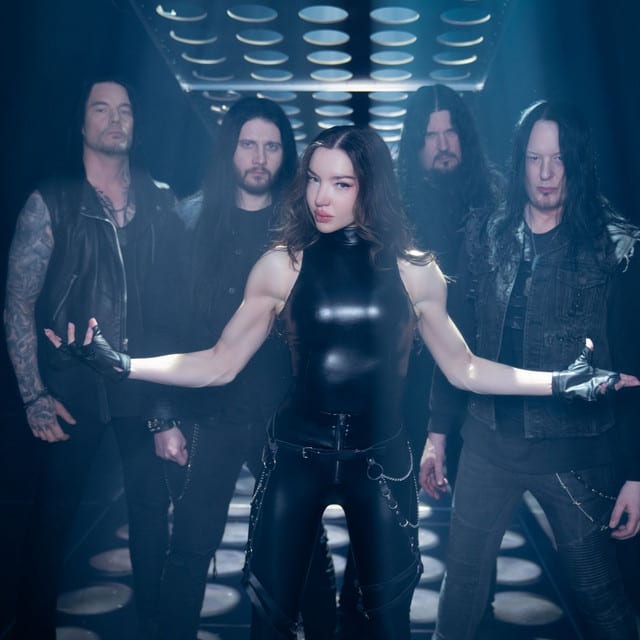
Fifteen years is a long time to leave fans hanging, but Northern California extreme metal outfit All Shall Perish just proved patience pays off. The band has dropped its first new single in a decade and a half, "Be As Kings, Be As Gods," produced by Zack Ohren (known for his work with Machine Head and Fallujah), and it arrives alongside a crowdfunding campaign through Arson Theory, the new music venture co-founded by frontman Eddie Hermida. For a band that helped define the West Coast deathcore sound in the 2000s, this isn't just a reunion single — it's a statement that the Bay Area's extreme metal lineage still has teeth.
The crowdfunding angle is worth sitting with for a second. In an era where major labels have gotten increasingly risk-averse toward heavier subgenres, veteran acts turning directly to their fanbase to finance a comeback record isn't new, but it's becoming the default playbook rather than the exception. All Shall Perish spent years as one of the most technically ferocious deathcore bands in the country, and the fact that they're choosing a DIY-adjacent funding model for their return says something about where the US metal scene's power actually sits in 2026: not in boardrooms, but in the hands of the people who bought the merch and filled the pits fifteen years ago and are still around to do it again.
Arizona Thrash Royalty Weighs In On Lyrics and Politics
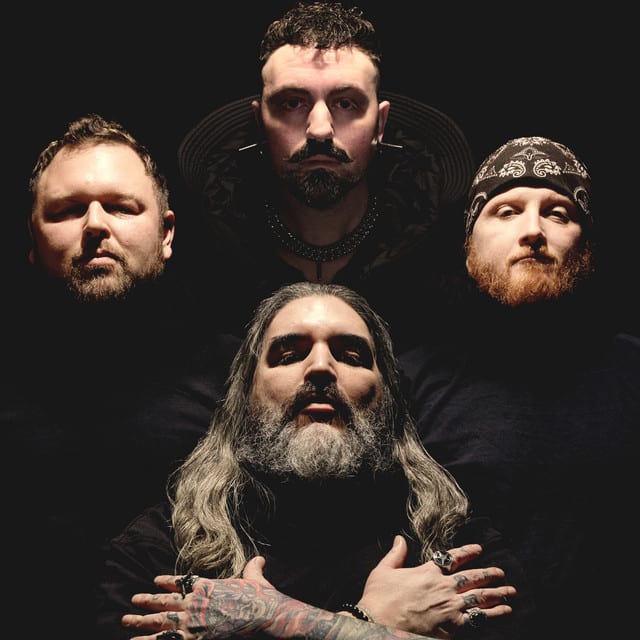
While All Shall Perish looks forward, Arizona's own Flotsam and Jetsam remain one of the steadiest hands in American thrash, and vocalist Eric "A.K." Knutson recently opened up about why he tends to keep overt politics out of his lyrics. It's a conversation that's been simmering across the thrash and death metal underground for years — how much of the writer's personal opinion belongs in the music, and how much should be left open for the listener to fill in. Knutson's stance, essentially that there are pluses and minuses to inserting personal opinion into songwriting, reflects a broader tension that's playing out across the genre right now, especially as more prominent musicians wade into hot-button commentary in interviews rather than on record.
That tension has been especially visible this week. Gene Simmons made headlines discussing his shifting political affiliations, and Ted Nugent's induction into the Michigan Outdoor Hall of Fame gave the outspoken guitarist another platform for his usual unfiltered commentary. Whatever you make of those stories, they underline something Flotsam and Jetsam's frontman clearly understands: the music tends to outlast the soundbites, and for a band that's been grinding since the mid-1980s, longevity comes from staying focused on the craft.
Sevendust and Godsmack: Two Bands Still Writing Their Next Chapters
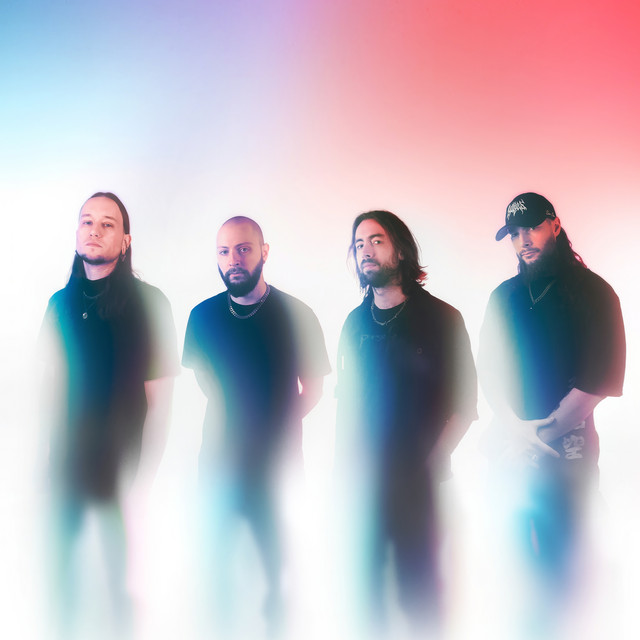
Speaking of longevity, Sevendust guitarist Clint Lowery gave a refreshingly grounded answer when asked about the band's eventual end, following drummer Morgan Rose's admission that the group had quietly discussed calling it quits before writing their fifteenth studio album. Lowery's response — that he's not going to try to predict when the band packs it in, essentially leaving that to a higher power — captures the mentality of a band that's outlasted entire subgenre trends without ever chasing them. Fifteen albums deep, Sevendust remains one of the most durable acts to come out of the American alt-metal boom of the late '90s.
Godsmack fans, meanwhile, got a concrete timeline to hold onto. Frontman Sully Erna confirmed at this year's Rocklahoma festival in Pryor, Oklahoma that new music is coming, with a target of summer 2027 as the follow-up to 2023's "Lighting Up The Sky." It's a reminder that even bands with decades of arena-level success are still playing the long game when it comes to new material, and that festival stops like Rocklahoma remain a crucial pulse-check for where legacy acts stand with their audiences heading into another cycle of metal bands touring in 2026 and beyond.
Alissa White-Gluz Debuts Blue Medusa Live
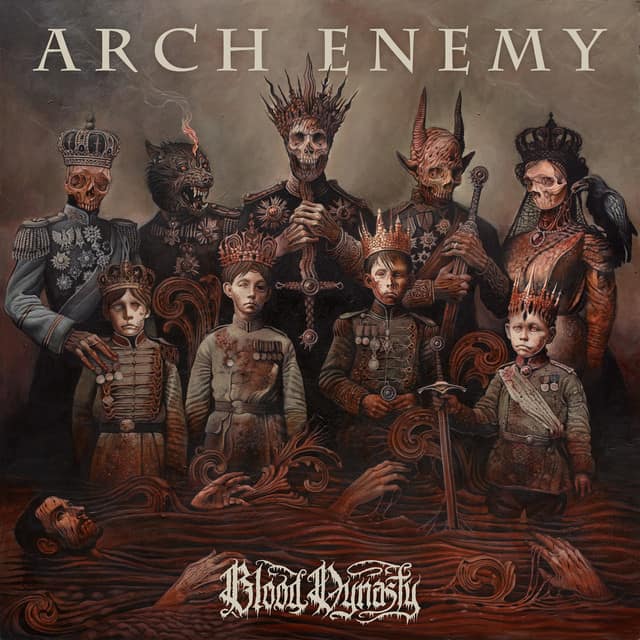
One of the more anticipated live debuts in recent memory happened when extreme metal vocalist Alissa White-Gluz finally brought her new project, Blue Medusa, to the stage for the first time. White-Gluz has spent years as one of the most recognizable voices in melodic death metal, largely through her work fronting Arch Enemy, and any new musical direction from her carries weight across the death metal and melodic death metal community. Fans of the genre — including followers of acts like the Melodic Death Metal-leaning Arch Enemy — will want to keep an eye on how Blue Medusa develops as a live act now that the debut show is in the books.
Legacy Rock Keeps Finding New Configurations
Elsewhere in the touring world, Twisted Sister played its second show with former Skid Row frontman Sebastian Bach at the Alaska State Fair, further cementing this unusual but apparently working touring lineup featuring Bach on vocals alongside Jay Jay French and Eddie Ojeda on guitar. It's the kind of only-in-2026 pairing that speaks to how flexible legacy rock and 80s metal bands have had to become to keep their music in front of live audiences, mixing and matching personnel from different eras of hard rock's golden age to keep the machine running.
Geoff Tate is taking a different approach to closing a chapter. The former Queensrÿche vocalist discussed the emotional toll of performing his "Operation: Mindcrime - The Final Chapter" tour, admitting he feels emotionally drained after every show as he runs through the classic concept album one last time. There's something worth noting here about the difference between bands finding new ways to keep going (Twisted Sister, Sevendust) versus artists like Tate deliberately choosing to put a definitive close on a specific era of their career. Both approaches say something true about where American metal's veteran class finds itself: still capable of drawing crowds, but increasingly thoughtful about how and when to bow out of specific chapters.
AI, Authenticity, and the Debate Over Where Metal Is Headed
Accept guitarist Wolf Hoffmann's recent comments on AI-generated music and artwork are worth flagging for anyone tracking where the broader music industry — and metal specifically — is heading. Hoffmann didn't mince words about how overwhelming the quality of AI-generated content has become, and that unease is shared by plenty of musicians watching the technology creep into songwriting, mixing, and album art. For an underground built on riffs forged in garages and basements, the AI conversation cuts differently than it does in pop — there's a real question of whether "authenticity" as a selling point for new metal bands in 2026 becomes more valuable, not less, as machine-made content floods every other corner of the internet.
Sending Strength to Andy Williams
On a somber note, Andy Williams — known for his work with Atomic Rule and formerly of Every Time I Die — reportedly suffered a serious medical emergency at a pro wrestling event. Details are still developing, but the outpouring of support from across the hardcore and metalcore community has been immediate. It's a stark reminder of how tightly connected the American heavy music scene really is, from the death metal underground to hardcore-adjacent circles.
What This Means for the Underground
All of this — the comebacks, the crowdfunding, the AI anxiety, the farewell tours — points to a US metal scene that's simultaneously nostalgic and forward-looking. That same tension plays out at the regional level every week. Extreme metal acts working genres like death metal, black metal, and heavy metal continue building their own catalogs away from the festival headlines, and that grassroots work is exactly what keeps the wider scene healthy. If you're digging into new metal bands in 2026, don't sleep on the regional underground doing the unglamorous work night after night in clubs most of these legacy acts graduated from decades ago.
Whether you're chasing the next great All Shall Perish record, tracking down the best heavy metal songs from acts old and new, or just trying to figure out which of the best metal albums of all time still holds up, the throughline is the same: the scene survives because people keep showing up, funding the music directly, and passing the torch. If you're in a band trying to be part of that story, you can always submit your band for coverage, and if you want to catch any of this in person, check out upcoming shows near you.