Chat Pile's Existential Noise, Accept's Time Machine, and the Thrash Legacy Still Powering the US Underground
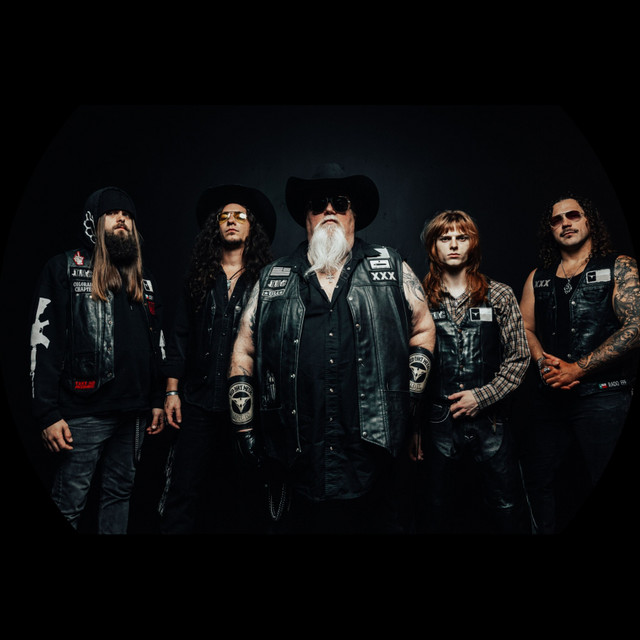
There's a strange comfort in watching bands that sound like the end of the world keep finding new ways to make that sound fresh. This week, the US metal scene is caught between two extremes: Oklahoma's Chat Pile dragging listeners deeper into industrial dread, and a 50-year-old German thrash institution proving that nostalgia, done right, can still feel like news. Add a Scranton gothic-metalcore act getting the skeptical-dad treatment and a fresh round of legacy-rock drama, and you've got a week that says a lot about where American heavy music stands heading into 2026.
Chat Pile Refuses to Let You Look Away
If there's one American band currently cornering the market on dread, it's Chat Pile. The Oklahoma City outfit — filed somewhere in the overlap of industrial rock, noise rock, and sludge metal — sat down with Metal Injection this week to talk about their new track "Who Loves the Sun" and the philosophy behind their unrelenting sound. The band was blunt about the emotional math behind their music, telling the outlet that staying angry, at least for part of your day, is a reasonable response to the world as it currently exists.
That interview lands alongside two other appearances for the band: a spot in Metal Injection's Weekly Injection roundup, sharing shelf space with Behemoth, Sleep, and Sigh, and a nod in the site's Top Tracks of the Week list next to Behemoth and Rev3rent. For a band that started as a regional curiosity, that's a serious hat trick, and it underscores something the broader US metal scene has been circling for a couple years now: the appetite for genuinely uncomfortable, experimental heavy music hasn't gone anywhere. If anything, it's growing. Chat Pile's success is a reminder that "new metal bands 2026" conversations shouldn't just be about who screams loudest or riffs hardest — sometimes it's about who captures a specific American anxiety better than anyone else in the room.
Motionless In White Gets the Dad Treatment
Over at MetalSucks, the recurring "Disgruntled Dad Reviews" column turned its attention to Motionless In White and their record "Decades," with columnist Dave Mustcomplain putting the gothic/industrial metalcore vets through his usual skeptical wringer. It's a format built to needle the gap between old-school metal purism and the genre-blending, image-driven world that bands like Motionless In White have thrived in for the better part of two decades now.
Whatever your opinion on where MIW sits on the metal-to-mainstream spectrum, the band's continued relevance says something real about how far gothic and industrial metalcore aesthetics have traveled from the underground into arena-level territory. It also says something about how metal criticism itself is evolving — outlets are increasingly willing to poke fun at the generational divide rather than pretend it doesn't exist. That kind of self-aware commentary matters for a scene trying to figure out what "best heavy metal songs" even means when the answer depends entirely on which decade you grew up in.
Accept's Half-Century Victory Lap — and What It Means for American Thrash
Speaking of decades, Accept's newly announced "Teutonic Titans 1976-2026" project is one of the more ambitious anniversary statements to come out of the European scene in years — 19 re-recorded tracks spanning the band's entire career, stacked with more than a dozen guest musicians. It's the kind of undertaking that only makes sense once a band has been around long enough to have earned the right to rewrite its own history.
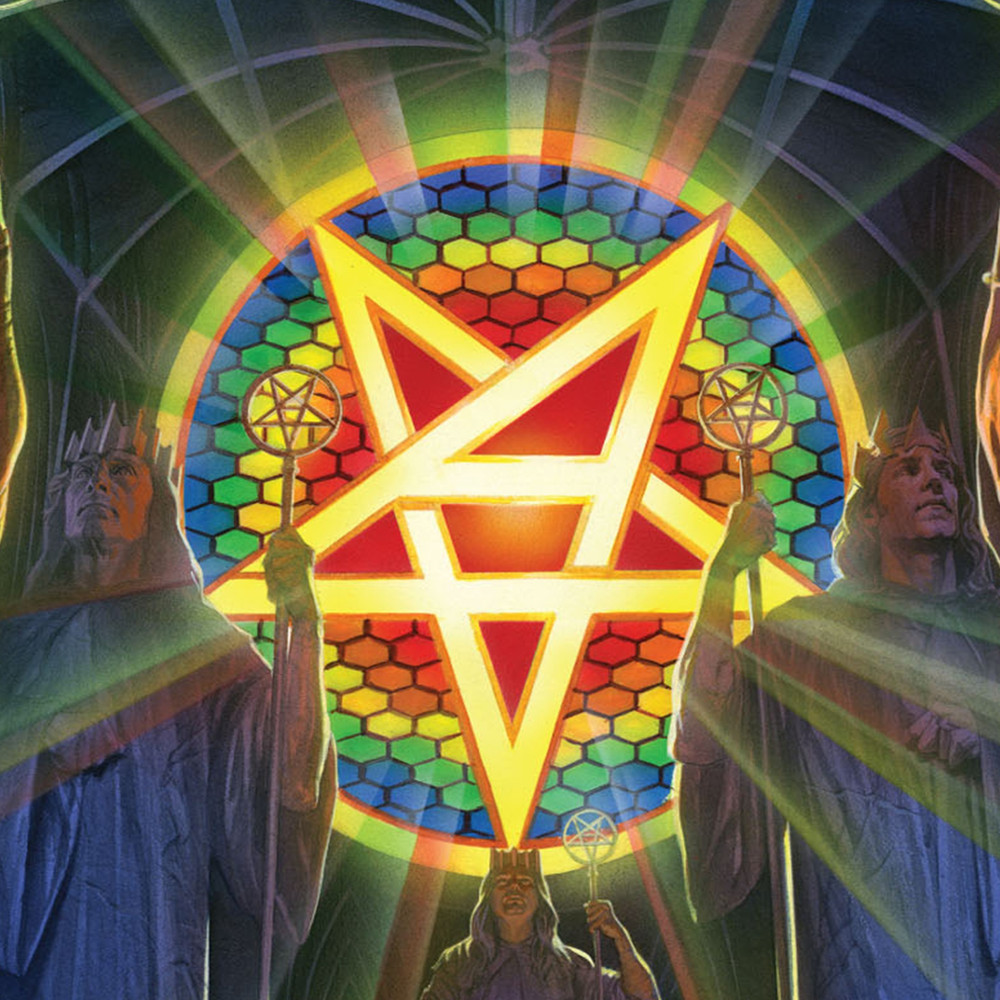
The ripple effects of a project like this reach American shores in an obvious way: Accept helped define the sonic template that a generation of US thrash bands built careers on, and this kind of high-profile legacy reissue tends to reignite interest in the broader 80s metal bands conversation. It's worth remembering that American thrash isn't just a historical footnote — it's still an active, breathing scene. Bands like Havok out of Colorado have spent the better part of two decades keeping that Bay Area-adjacent thrash attack alive and evolving it with death metal aggression, while veterans like Anthrax continue to prove that the genre's first wave never actually left the building. When a band like Accept spends this much effort curating its own legacy, it's a good excuse to go dig through your own record crate and remember why these riffs mattered in the first place — a useful exercise for anyone building a personal list of the best metal albums of all time.
Wage War Signals Metalcore's Continued Evolution
On the more contemporary end of the heavy spectrum, Florida's Wage War announced their new album "Landfall," due out in October, following up on the "It Calls Me By Name" EP from earlier this spring. The band — vocalist Briton Bond, guitarists Cody Quistad and Seth Blake, bassist Chris Gaylord, and drummer Stephen Kluesener — has spent the last several album cycles refining a sound that splits the difference between melodic metalcore hooks and heavier, more aggressive instrumentation. With a full-length landing this fall, expect Wage War to be a fixture on the metal bands touring 2026 circuit, likely pairing with other modern metalcore and alt-metal acts as the genre continues its steady commercial climb.
Quick Hits From the Wider Metal World
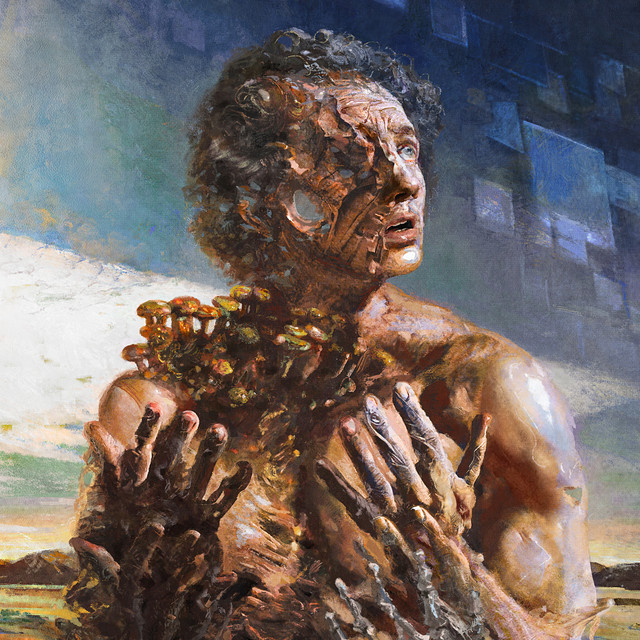
A handful of smaller stories rounded out the week and are worth a mention, even if they didn't dominate headlines. Tony Iommi released a limited-edition seven-inch of "World Alone," the lead single from his upcoming solo album "From The Dark," which has already racked up 2.5 million streams — a reminder that Sabbath's guitar architect still commands serious attention decades into his career. Magnum's Bob Catley opened up about his decision to keep the band going following the death of guitarist and chief songwriter Tony Clarkin, a decision that clearly wasn't made lightly. And Soundgarden guitarist Kim Thayil gave an update on the band's upcoming album built from unreleased recordings made with the late Chris Cornell, describing it as introspective with some quirky elements — a project that grunge and post-grunge fans across the American Northwest and beyond will be watching closely.
Elsewhere, the ongoing Bad Wolves saga added another chapter with a former guitarist issuing a statement praising the band's Dolly Parton "Jolene" cover and its label, Alex Van Halen made headlines by calling former bandmate Sammy Hagar "a complete idiot" in a resurfaced interview, and Gene Simmons continued his run of politically charged commentary about his relationship with the Democratic Party. None of these are strictly regional stories, but they're the kind of legacy-act chatter that shapes how older fans engage with the genre's ongoing narrative — and reminds younger bands why staying out of unnecessary drama can be its own kind of career strategy.
What This Means for the Ground-Level US Scene
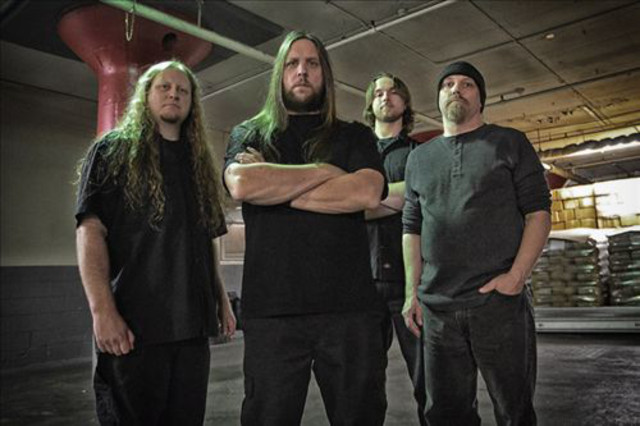
Zoom out from the headline names and the throughline is consistent: whether it's a 50-year-old German institution reworking its catalog, an Oklahoma noise-rock band refusing to let listeners look away from uncomfortable truths, or a Florida metalcore outfit gearing up for another album cycle, the US metal scene keeps proving it can hold nostalgia and innovation at the same time. That tension is exactly what keeps regional scenes healthy — from crust punk basements to industrial-leaning noise rock stages, there's still room for southern heavy rock acts like Texas Hippie Coalition and death metal lifers like Wisconsin's Morta Skuld to coexist with whatever genre-blurring project comes out of Berlin or Brooklyn next.
If you're chasing down where to catch any of this live, check our upcoming shows listings for tour dates hitting your region. And if your band deserves a spot in this conversation, don't wait for someone else to make the case — submit your band and let the scene find you.