Trademark Wars and Turntable Ethics: The Business Battles Reshaping US Metal Right Now
Metal has always had a complicated relationship with the mainstream machine, but this week the tension boiled over into courtrooms, interview transcripts, and canceled tour slots. From a Christian metal band suing Netflix over a cartoon's name to a Greek extreme metal veteran drawing a hard line on fan monetization, the business of heavy music is having a moment — and the US scene is right in the middle of it.
Whose Name Is It, Anyway? Demon Hunter Takes On Netflix
Christian metal band Demon Hunter has filed suit against Netflix, AEG Presents, and others, alleging trademark infringement and unfair competition tied to the streaming giant's animated hit "KPop Demon Hunters." The band's corporation, Hyde Lane, argues that consumer confusion has escalated well past a coincidental title overlap — the franchise has now spilled into live events and merchandising, the exact territory a working metal band relies on to survive. This isn't a case of a band being precious about a phrase; "Demon Hunter" has been the group's identity for over two decades, built through album cycles, tours, and a loyal fanbase that predates the show by years.
What makes this notable for the broader US metal scene isn't just the legal specifics — it's the reminder that band names are business assets, not just aesthetic choices. When a massive media conglomerate's branding machine collides with an independent band's decades-old identity, the power imbalance is stark, and Demon Hunter's willingness to fight it in court is a signal flare for every mid-tier band watching a corporation casually wander into their lane.
When a Legacy Band Isn't Really the Band Anymore
That same question of ownership over identity showed up from a very different angle this week when Sweet guitarist Andy Scott addressed the existence of a touring outfit called The Sweet that contains zero members of the original lineup. Scott didn't mince words on the Land Of Music Podcast, saying simply:
"It really isn't right."
It's a sentiment that echoes across generations of rock and metal, where legacy names get passed around, splintered, or sold long after the people who built them have moved on. For fans trying to figure out which "classic" act is actually worth the ticket price in 2026, it's become its own minor cottage industry of due diligence — a strange but very real cost of loving 80s metal bands and their descendants.
The Meet-and-Greet Divide
Meanwhile, Rotting Christ frontman Sakis Tolis waded into the ongoing debate over pay-to-play fan experiences, telling Metalgigs.us in no uncertain terms:
"I would never do a paid meet-and-greet."
Tolis's stance lands at an interesting moment for extreme metal, a genre that has historically prided itself on proximity between artist and audience — no barricades, no upcharge, just riffs. As bigger festival packages and VIP tiers become standard revenue streams across rock and metal touring, Tolis's comments read as a quiet but pointed pushback from the underground's old guard. It's worth noting this isn't a blanket condemnation of artists making money off enhanced experiences — plenty of bands do it thoughtfully and transparently — but Tolis's refusal draws a line that a lot of extreme metal purists will appreciate.
That same tension between commerce and authenticity showed up in a very different corner of heavy music this week. Satanic doo-wop act Twin Temple was dropped from Charley Crockett's tour, and Crockett has since pushed back on the narrative that it was about their religious imagery, insisting the split came down to production logistics rather than theology. Whatever the real story, the public back-and-forth is a reminder that heavy, provocative acts — whether extreme metal or satanic doo-wop — are still routinely put in a position of having to defend their inclusion on bills that reach beyond the converted.
Rock's Disappearing Mainstream Real Estate
If you needed more evidence that heavy music is being nudged further from mainstream visibility, the 2026 MTV Video Music Awards have officially retired the Best Rock category. It's a small line-item decision with a bigger symbolic weight: another televised acknowledgment that rock and metal, once award-show staples, are being treated as niche. Gene Simmons will surely have something to say about it, and he won't be wrong to be annoyed — but the reality is that the US metal scene has spent years building its own infrastructure of festivals, indie labels, and community-run coverage precisely because the major platforms keep quietly stepping back. If you're trying to find where the real action is happening, upcoming shows listings and regional scene coverage are doing more heavy lifting than awards shows ever will.
Remembering Frank Beard
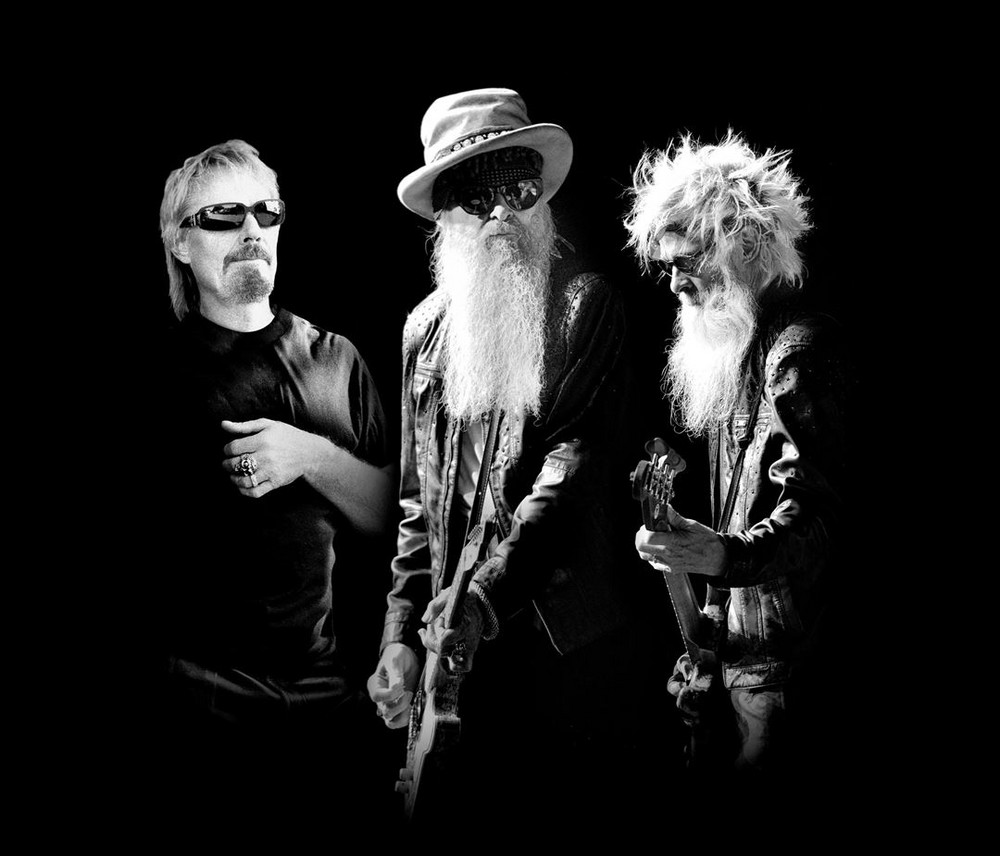
The week also brought somber news with the passing of Frank Beard, ZZ Top's drummer of 56 years, who died at 77 in hospice care at his Texas ranch. Beard wasn't a metal drummer in the traditional sense, but his boogie-blues pocket influenced generations of Texas heavy music, and ZZ Top's DNA runs through more riff-driven American rock than most listeners realize. It's a good moment to reflect on how much of what we now call classic heavy metal — the tones, the swagger, the road-dog work ethic — has roots in exactly this kind of Southern rock lineage. Texas heavy metal band Threshold and heavy metal outfit Motor Sister both carry forward that same tradition of riff-first songwriting that Beard helped soundtrack for over half a century.
Devin Townsend Isn't Slowing Down
On the creative front, Devin Townsend gave fans a genuinely wild update in a new interview with Metal Insider's Zenae Zukowski: since finishing his orchestral metal opus "The Moth" back in May, he's already written roughly 100 songs. That kind of output from one of metal's most restless experimental minds is a reminder of how much unclassifiable, boundary-pushing material is sitting in the pipeline for 2026 and beyond. Townsend has spent decades proving that "experimental metal" doesn't have to mean inaccessible — it can mean symphonic, absurd, devastating, and funny all in the same album — and his prolific streak should have fans of adventurous heavy music paying close attention to what surfaces next.
Deathcore's Global Pipeline Keeps Feeding the US Scene
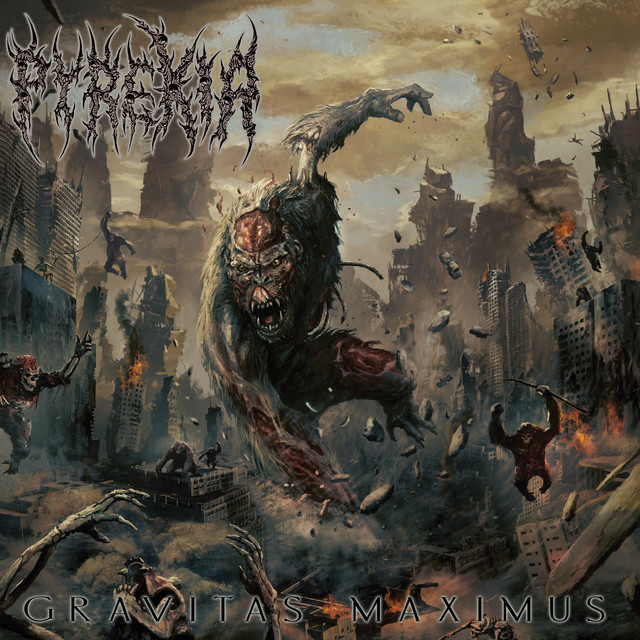
Brazilian deathcore outfit AXTY premiered the music video for "All I Love" ahead of their new album "The Pain Made Me Who I Am," out this Friday. It's a reminder that deathcore and brutal death metal remain genuinely global genres with constant cross-pollination between South American, European, and US scenes. Domestically, that same appetite for brutality is alive and well — brutal death metal bands like Compulsed and Pyrexia have spent years grinding away in the same lane, while deathcore-leaning acts continue to push the genre's boundaries on both sides of the equator. For anyone tracking new metal bands 2026 has to offer, the deathcore underground remains one of the most consistently active corners of the scene, both at home and abroad.
Heavy Music as Medicine
Finally, MVD Entertainment Group has set a September 22 digital release date for "Heavy Healing," a documentary examining the recuperative power of aggressive music and pushing back against decades of stigma aimed at metal and hardcore fans. It's a message that doom and sludge bands have been embodying through sheer sonic weight for years — the genre's slow-motion catharsis is practically built for processing grief, anxiety, and everything in between. Regional doom and sludge metal act Encountered fits squarely into that lineage, channeling exactly the kind of crushing, meditative heaviness the documentary is arguing has real therapeutic value.
Between courtroom battles over band names, artists drawing hard lines on fan monetization, and an entire documentary built around metal's healing power, this week made one thing clear: the business of heavy music is just as complicated — and just as worth covering — as the music itself. If your band has news, a release, or a show worth tracking, submit your band and get in the conversation.