Torche Returns to Saint Vitus as Sludge, Industrial, and Deathcore All Make Moves This Week
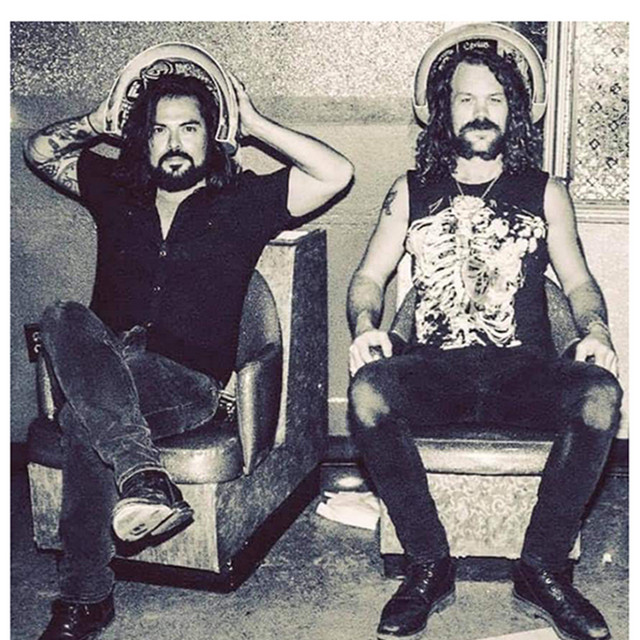
There's a particular kind of electricity that runs through the US heavy music underground when a beloved venue comes back online, and this week that electricity is centered on Brooklyn's Saint Vitus Bar. The room that's hosted more essential sludge, doom, and death metal bills than almost any other stage in the country is welcoming back Florida's own Torche this November, with Spotlights in support. For a band that's spent nearly two decades refining the art of the riff-that-hits-like-a-wall-of-sound, a Saint Vitus date is less a tour stop and more a homecoming to the scene that helped canonize their sound in the first place.
Torche's return matters beyond nostalgia. The band occupies a strange and wonderful pocket of American metal — sludgy, hooky, occasionally almost pop in its melodic instincts, but never lightweight in its low end. That's a lineage that runs directly through bands populating our own index, from the stoner-doom crunch of Greenbeard to the sludge/heavy metal hybrid of Sin Nombre, both of whom mine similar territory of thick tone and groove-forward songwriting. Torche's Saint Vitus show is a reminder that this strain of American heaviness — unpretentious, riff-first, built on tone over technicality — never really went anywhere. It just kept building an audience one basement and one club at a time. If you're mapping out metal bands touring 2026, a night like this belongs on the shortlist, and it's worth checking upcoming shows in your area to see who else is rolling through on similar bills.
Exist Immortal Signals a Deathcore EP Worth Watching
Elsewhere in the heavier end of the American underground, Exist Immortal dropped the music video for "Afterglow," the title track of a new EP due out in September. It's a small headline in the grand scheme of things, but title-track videos like this tend to function as mission statements — a band showing its hand before the full release lands. Deathcore and modern metalcore continue to be some of the most reliably active subgenres in the US scene right now, with bands constantly refining the blend of breakdown-heavy brutality and melodic accessibility that keeps festival bills stacked and merch tables busy.
That same tension between crushing weight and songcraft is exactly what makes regional acts like All Is at an End and Aberrant Construct worth keeping tabs on if you're into where deathcore is heading domestically. It's a genre that gets dismissed by purists more often than it should, but the sheer density of new metal bands 2026 is producing in this lane suggests the audience appetite hasn't slowed down one bit — if anything, EP announcements like Exist Immortal's are evidence that smaller, faster release cycles are becoming the norm as bands try to stay in constant conversation with their fanbase rather than disappearing for two or three years between albums.
Godflesh's Decay and the Long Shadow of American Industrial Metal
Justin Broadrick's Godflesh isn't a US band, but the announcement of their new album "Decay," alongside the "Living/Ending" single, is impossible to talk about without acknowledging how deeply the band's DNA runs through American industrial and sludge metal. Broadrick's comments about the writing process are the kind of thing every serious musician eventually has to reckon with:
"Music, for me, is rarely complete, but it has to reach a point where enough is enough. Creatively, there has to be self-discipline. One has to end it."
That philosophy — churning, mechanical repetition pushed until it becomes its own form of catharsis — is baked into the foundation of American industrial metal, a lineage carried forward domestically by acts like Ministry. Godflesh's continued relevance decades into their run is a useful data point for anyone trying to argue that industrial metal is some relic of the 90s. It isn't. It's a genre that keeps finding new blood precisely because the formula — grinding rhythm, atmosphere over flash — never actually gets old.
The Legacy Circuit Keeps Grinding: Blackmore, Scorpions, and Roger Taylor
This was also a big week for the classic rock and 80s metal bands contingent, and even if these aren't strictly American stories, they ripple through the US touring circuit and record-buying habits in ways worth noting. Ritchie Blackmore is set to join Deep Purple onstage for the first time in more than three decades, during the band's Wednesday night show at Jones Beach in New York — an 81-year-old guitarist stepping back into a spotlight he walked away from in 1993. That's the kind of reunion moment that reminds younger fans why the phrase "best heavy metal songs" so often circles back to a small handful of bands who built the entire vocabulary of the genre.
Scorpions, meanwhile, are taking their most iconic single into an entirely new medium. "Scorpions: Hurricane," a 96-page officially licensed graphic novel inspired by the "Rock You Like a Hurricane" video, sends the band on a sci-fi adventure into outer space — a genuinely strange but charming way to keep a 40-year-old song culturally active for an audience that may know the riff before they know the band. And Roger Taylor of Queen shared "I See You Now," the second single off his upcoming solo album "Violence Insane In A Beautiful World," due September 18. None of these are metal stories in the strictest sense, but they underline something true about the American rock and metal audience right now: the appetite for legacy acts reinventing their own iconography hasn't diminished, it's just found new formats — graphic novels, AI-skepticism think pieces, and one-off reunion cameos — to live in.
Where the Gaps Are: Heavy Metal, Speed Metal, and NWOTHM Deserve More Ink
One thing this week's headlines make clear is how much oxygen goes to metalcore, deathcore, and legacy arena rock compared to the traditional heavy metal and speed metal underground that's quietly thriving across the country. There's a real appetite right now for bands chasing that NWOTHM (New Wave of Traditional Heavy Metal) sound — tight leather, twin-guitar harmonies, no apologies — and the US scene is stacked with acts doing it well. Bands like Medallion keep that torch lit with unpretentious heavy metal songwriting, while Torment and Atomik represent the thrash and speed metal end of that same lineage — fast, riff-driven, and built for a mosh pit rather than a streaming algorithm.
It's also worth pointing to progressive-leaning acts pulling from a different corner of the American heavy metal tradition. Texas legends King's X have influenced three decades of progressive metal songwriting, and that same appetite for complexity without sacrificing groove shows up in bands like Etherius and Creature of Habit, both of whom are carrying forward a very American strain of technical, melodic heavy metal that deserves more attention than it usually gets in the news cycle.
If there's a throughline connecting Torche's Saint Vitus return, Exist Immortal's EP tease, and Godflesh's continued relevance, it's this: the US metal scene in 2026 isn't defined by any single genre dominating the conversation. It's defined by an ecosystem — sludge bands playing rooms that industrial pioneers helped legitimize, deathcore acts building on metalcore's melodic instincts, and traditional heavy metal bands quietly keeping the genre's original promise alive in clubs that never bothered chasing trends. That's the real story of the best metal bands working right now: not one dominant sound, but dozens of scenes overlapping, borrowing, and pushing each other forward.
As always, if you're in a band doing the work in clubs and basements across the country, don't wait for a headline to find you — submit your band and get on the radar.