The Next Generation Takes Center Stage: Bastardane Emerges While Metal Giants Promise Masterpieces
The American metal scene is experiencing a fascinating generational shift as established titans prepare their most ambitious works while fresh blood emerges from legendary lineages. This week's developments reveal a landscape where legacy and innovation converge in unexpected ways, setting the stage for what could be metal's most diverse creative period in decades.
Fresh Blood, Legendary DNA
The metal world's attention has turned to Bastardane, a rising force featuring drummer and vocalist Castor Hetfield, whose father happens to be Metallica's James Hetfield. Their latest music video for "Mother's Tongue" showcases a sound that deliberately carves its own path rather than riding on inherited fame. Produced by Gojira's Joseph Duplantier, the track demonstrates the kind of artistic mentorship that transcends simple nepotism accusations.
What makes Bastardane's emergence particularly significant is how it reflects broader trends in American metal's evolution. Rather than simply mimicking their influences, this new generation of musicians is actively collaborating across genre boundaries. The choice to work with Duplantier, known for Gojira's progressive environmental themes and complex songwriting, suggests Bastardane is more interested in pushing creative boundaries than capitalizing on name recognition.
This generational handoff happening in real-time mirrors similar developments across the US metal scene, where veteran acts are increasingly taking mentorship roles while younger bands experiment with genre fusion and innovative production techniques.
Veteran Acts Promise Career-Defining Works
While new blood enters the scene, established American metal giants are preparing what they claim could be their finest work. Trivium's Matt Heafy recently declared the band is "sitting on arguably our greatest album of all time," a bold statement from a group already considered among the best metal bands of the modern era. The upcoming release, tentatively scheduled for late 2026, will feature new drummer Alex Rüdinger, suggesting significant evolution in their sound.
This confidence from veteran acts isn't isolated to Trivium. A Perfect Circle's Billy Howerdel confirmed the band is "working toward something" following their recent "Starless" single, indicating more substantial material is coming. These developments suggest American metal's established acts aren't content to rest on their laurels or simply tour on past achievements.
The timing is particularly interesting given how the broader US metal scene has been fragmented across streaming platforms and niche audiences. Major releases from proven acts could serve as rallying points for reunifying metal's increasingly diverse fanbase around shared experiences.
The Anniversary Circuit Gains Momentum
Nostalgia continues driving significant portions of the American metal touring economy, with Staind announcing their "Break The Cycle - 25th Anniversary Live" release for August. The live recording captures all 13 tracks from their breakthrough 2001 album, representing a trend where bands are treating anniversary celebrations as full-scale artistic projects rather than simple cash grabs.
This approach to legacy material reflects how American metal bands are adapting to an industry where physical sales have collapsed but live experiences remain valuable. By creating new recorded products around classic material, bands can satisfy both nostalgic fans and streaming platform algorithms that favor fresh content.
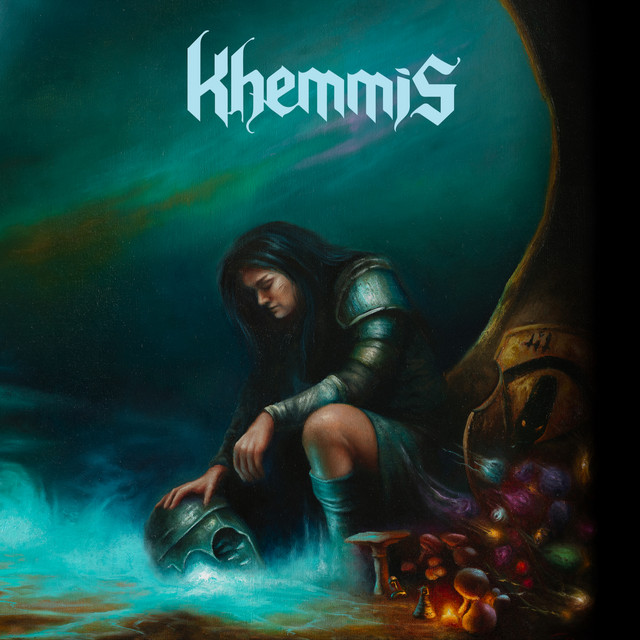
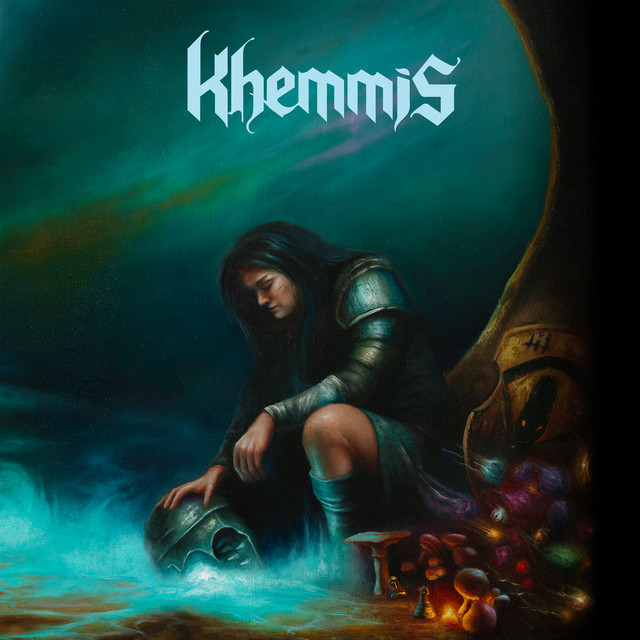
The anniversary circuit also serves an important cultural function, introducing younger fans to foundational works they might have missed during metal's peak commercial period. For bands in the doom and sludge scenes, where acts like Colorado doom metal masters Khemmis continue building on traditional foundations, these celebrations help maintain connection to metal's historical continuum.
Genre Boundaries Continue Dissolving
Perhaps most significantly, this week's developments highlight how rigidly defined genre boundaries continue dissolving across American metal. Bastardane's collaboration with Duplantier represents cross-pollination between different metal generations and styles, while established acts like A Perfect Circle and Trivium promise evolution rather than repetition.
This trend extends beyond individual bands to broader scene developments. The resurgence of interest in everything from classic heavy metal to experimental fusion suggests American audiences are increasingly open to genre-hopping within the broader metal umbrella. For emerging bands, this creates unprecedented opportunities to experiment without being pigeonholed into narrow categories.
The implications for the broader scene are substantial. As streaming algorithms reward engagement over genre purity, bands that can successfully blend influences while maintaining authentic voices are finding larger audiences than ever before. This environment particularly benefits regions with strong local scenes where bands can develop hybrid sounds through cross-genre collaboration.
Looking Toward 2026 and Beyond
With major releases promised from established acts and emerging talents gaining traction, American metal appears positioned for a significant creative surge. The combination of veteran craftsmanship and fresh perspectives could produce some of the best metal albums of all time while introducing entirely new sonic territories.
For fans tracking the scene's development, the key will be following how these generational exchanges continue evolving. Bastardane's emergence suggests we're likely to see more collaboration between metal's established figures and rising talents, potentially creating mentorship networks that could sustain creative innovation for years to come.
The promised releases from Trivium and A Perfect Circle, combined with continued activity from countless underground acts, suggest that new metal bands 2026 and beyond will benefit from an unusually fertile creative environment. Whether this translates into broader commercial success for the genre remains to be seen, but the artistic foundations are clearly being laid for metal's next evolutionary phase.
As these developments unfold, American metal's strength continues lying in its diversity and willingness to embrace change while honoring tradition. The current moment represents exactly this balance, where respect for legacy coexists with hunger for innovation, creating conditions where both established acts and newcomers can thrive simultaneously.