Veterans Return and Legends Persist: Disturbed's Evolution While Bay Area Thrash Reclaims Sacred Ground
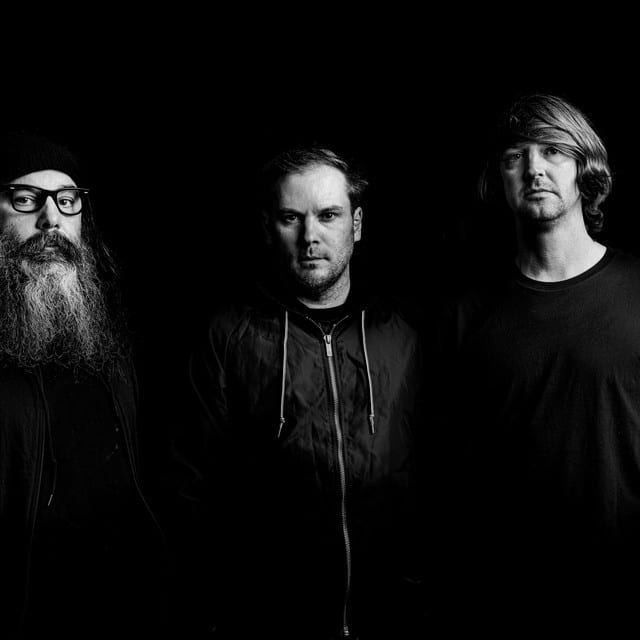
The American metal landscape continues its fascinating dance between reinvention and reverence, as established acts push creative boundaries while honoring the sacred spaces that birthed their movements. From Chicago's industrial districts to San Francisco's legendary clubs, the scene demonstrates how evolution and tradition can coexist without compromise.
Disturbed's Creative Renaissance Signals Industry Maturation
Chicago's Disturbed stands at a pivotal moment in their career trajectory, with frontman David Draiman describing their upcoming material as representing a new creative peak. The band's approach to their latest compositions suggests a departure from formulaic expectations, embracing what Draiman characterizes as diverse and powerful songwriting that reflects decades of artistic growth.
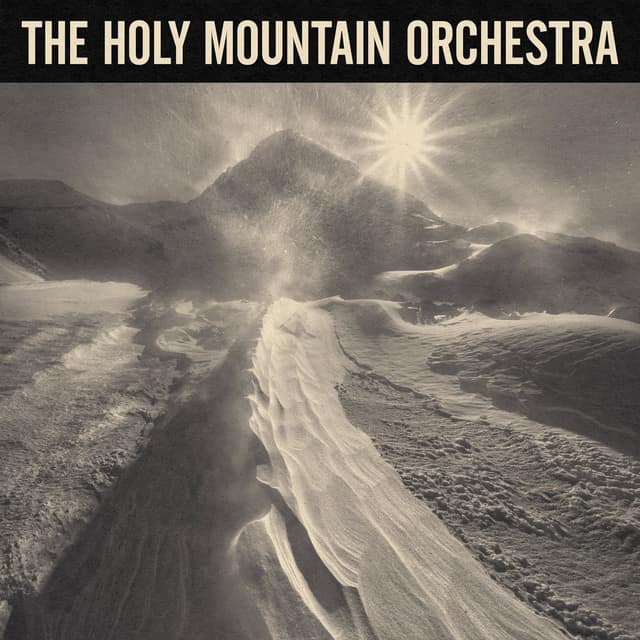
This creative confidence mirrors a broader trend among veteran American metal acts who have discovered that longevity brings artistic freedom rather than restriction. Where younger bands often feel pressured to adhere to genre conventions, established acts like Disturbed can experiment with their sound while maintaining their core identity. The Three approach to doom metal evolution demonstrates similar principles on a smaller scale, showing how American bands across all levels are prioritizing artistic authenticity over commercial predictability.
The timing of Disturbed's creative push reflects the current state of American metal, where audiences have proven receptive to stylistic evolution from trusted artists. This environment allows bands to take risks that might have been commercially dangerous in previous decades, when genre boundaries were more rigidly enforced by both industry gatekeepers and fan expectations.
Sacred Ground Reclaimed: Exodus Returns to Mabuhay Gardens
Perhaps no recent event better illustrates American metal's relationship with its own history than Exodus's return to San Francisco's Mabuhay Gardens after a four-decade absence. The venue's reopening and the band's immediate booking there represents more than nostalgia—it's a deliberate reclamation of space that helped define thrash metal's foundational years.
The significance extends beyond mere anniversary celebration. Mabuhay Gardens operated during thrash metal's embryonic period, when the Bay Area scene was developing the aggressive, technically precise sound that would influence global metal evolution. Exodus's return performance serves as both homage and statement, demonstrating that American metal's geographic centers retain their cultural importance even as the scene has dispersed nationwide.
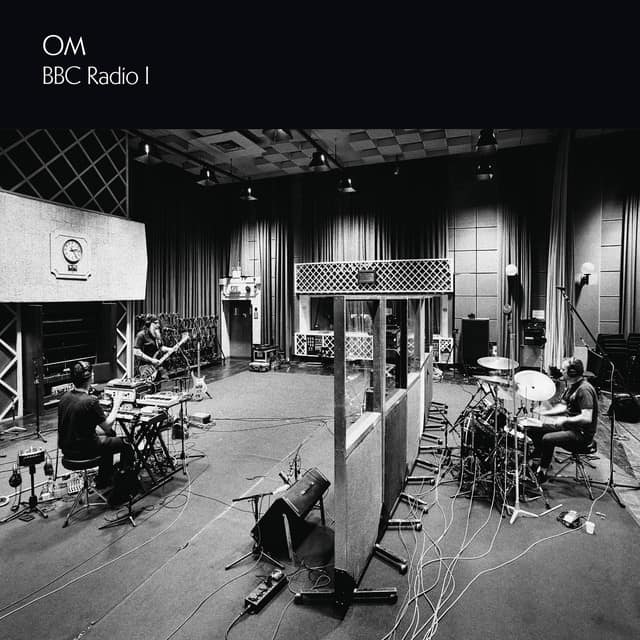
This geographic consciousness appears increasingly important as American metal grapples with questions of authenticity and legacy. The OM death metal approach to regional identity shows how contemporary bands still draw strength from specific locations and scenes, even in an era of digital distribution and global connectivity.
For emerging American thrash acts, events like the Exodus performance provide both inspiration and pressure. The Bay Area's legacy creates opportunities for new bands to tap into established scenes, but also sets extremely high standards for technical proficiency and creative innovation.
The Van Halen Archive Project: Preserving American Rock Royalty
Steve Lukather's collaboration with Alex Van Halen on previously unreleased Eddie Van Halen material represents a fascinating approach to musical legacy management. Rather than simply releasing demos or alternate takes, the project appears designed to present Eddie's unfinished ideas as complete artistic statements, requiring careful curation and respectful completion.
This archive work reflects broader questions facing American rock and metal about how to handle the creative output of deceased innovators. Eddie Van Halen's influence on American guitar playing cannot be overstated—his techniques and innovations shaped not only hard rock but influenced metal guitarists across subgenres. The decision to involve Lukather, a respected session musician and songwriter, suggests serious intent to honor Eddie's vision rather than exploit his name.
The project also highlights the collaborative nature of American rock and metal, where cross-genre partnerships often produce unexpected results. Lukather's jazz-rock background combined with the Van Halen brothers' hard rock foundation could yield material that bridges generational and stylistic gaps, potentially influencing contemporary American metal musicians seeking to expand their harmonic vocabulary.
Festival Evolution and Regional Identity
The success of festivals like Sonic Temple demonstrates how American metal events have evolved beyond simple band showcases to become cultural statements. These gatherings now serve multiple functions: introducing new acts, celebrating established artists, and providing spaces for cross-generational community building that strengthens regional scenes.
The festival model's expansion across American regions has created new opportunities for local bands to gain exposure while maintaining their geographic identity. Rather than requiring relocation to traditional metal centers, bands can now build substantial followings through strategic festival appearances in their home regions, then expand outward from positions of strength.
This decentralization has particularly benefited American metal's diversity, allowing regional variations to flourish without pressure to conform to coastal standards. Southern sludge, Midwest death metal, and West Coast doom can all coexist and cross-pollinate through festival networks that celebrate difference rather than demanding uniformity.
Canadian Connections and Cross-Border Influence
While focusing on American developments, the announcement of Saga's 50th anniversary tour and Triumph's reunion activities remind us that North American metal operates as an interconnected ecosystem. Canadian bands have significantly influenced American metal development, from Rush's progressive innovations to Voivod's avant-garde experiments, creating cross-border relationships that continue shaping both scenes.
These Canadian connections become particularly relevant as American bands consider their own anniversary and reunion strategies. The success of veteran Canadian acts' comeback efforts provides roadmaps for American bands contemplating similar moves, demonstrating that audiences remain receptive to reunions when approached with genuine artistic purpose rather than purely commercial motivation.
Digital Age Challenges and Opportunities
The ongoing discussions around vinyl collecting and physical media reflect deeper tensions within American metal about how to maintain community and collectibility in an increasingly digital landscape. While streaming provides unprecedented access to music, it lacks the ritual aspects of physical media that many metal fans consider essential to the experience.
American metal bands now navigate multiple release strategies simultaneously, often providing digital access for discovery while creating special physical editions for dedicated fans. This approach acknowledges that different segments of the audience have different needs and preferences, allowing bands to serve both casual listeners and hardcore collectors without alienating either group.
The challenge lies in maintaining artistic integrity while adapting to technological change. Bands must balance accessibility with exclusivity, innovation with tradition, and global reach with local authenticity. Those succeeding in this balance often find themselves with stronger, more engaged fanbases than previous generations could achieve.
Looking Forward: American Metal's Continued Evolution
Current developments suggest American metal remains in a period of healthy creative tension between innovation and tradition. Veterans like Disturbed push creative boundaries while respecting their foundations, new venues honor historical sites while serving contemporary needs, and archive projects preserve legacies while inspiring future evolution.
This balance appears sustainable because it acknowledges that American metal's strength lies in its diversity rather than its adherence to any single template. Regional scenes continue developing distinct identities, veteran acts explore new creative territories, and emerging bands find ways to honor influences while developing personal voices.
The year ahead promises continued evolution as established acts release anticipated material, new festivals expand regional representation, and technological advances create fresh opportunities for community building and artistic expression. American metal's ability to embrace change while maintaining its essential character suggests a scene confident in its foundations and excited about its future possibilities.