Supergroup Formations and Cross-Genre Collaborations: Death Metal Legends Unite While Unexpected Partnerships Redefine American Heavy Music
The American metal landscape is experiencing a fascinating period of artistic convergence, as veteran death metal musicians form new supergroups while established acts venture into surprising collaborative territory. These developments signal a maturation in the scene where genre boundaries blur and creative partnerships transcend traditional categorization.
Death Metal Supergroup Malefic Throne Emerges with All-Star Lineup
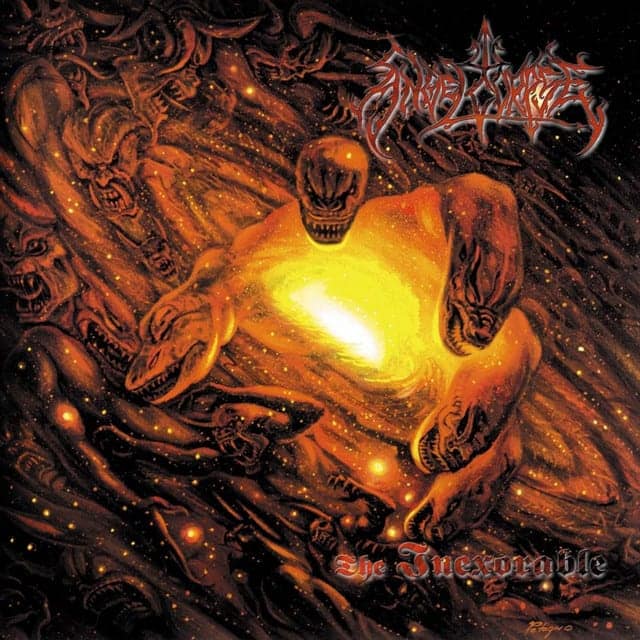
The formation of Malefic Throne represents everything compelling about American death metal's current state. When guitarist Gene Palubicki, known for his work with Angelcorpse and Perdition Temple, joins forces with Morbid Angel's Steve Tucker and Origin's John Longstreth, the result transcends typical side-project expectations. Their debut music video for "When Our Shadows Align" showcases a level of musicianship that only comes from decades of experience in the genre's most respected acts.
What makes this collaboration particularly significant is how it demonstrates the interconnected nature of American extreme metal. These aren't musicians simply trading on past glories—they're actively creating new material that honors their legacy while pushing forward. Longstreth's drumming prowess, honed through years with Origin and Hate Eternal, provides the perfect foundation for Tucker's distinctive vocal approach and Palubicki's razor-sharp guitar work.
This type of supergroup formation reflects a broader trend in the US metal scene where geographical and stylistic boundaries matter less than shared artistic vision. For emerging bands in similar technical death metal territories, groups like Massachusetts progressive death metal band Replacire and other acts pushing technical boundaries, Malefic Throne's approach offers a blueprint for collaboration without compromise.
Unexpected Collaborations Reshape Metal's Boundaries
Perhaps even more intriguing than veteran death metal musicians uniting is the emergence of collaborations that would have seemed impossible just a few years ago. The partnership between Pussy Riot and Avenged Sevenfold on "Candy Dopamine" represents a seismic shift in how American metal bands approach cross-genre work. When a politically charged performance art collective joins forces with one of metal's most commercially successful acts, the result challenges preconceptions about both artistic authenticity and commercial viability.
This collaboration signals something deeper about the current state of American heavy music. The rigid genre classifications that once defined scenes are becoming increasingly fluid. Bands are recognizing that creative growth often comes through unexpected partnerships rather than staying within established comfort zones. For younger bands navigating today's music landscape, these collaborations demonstrate that artistic identity can be both maintained and expanded through strategic partnerships.
The success of such unlikely pairings also reflects changes in how audiences consume music. Modern metal fans are more open to genre-blending than previous generations, partly due to streaming platforms that expose listeners to diverse styles within single playlists. This openness creates opportunities for bands willing to take creative risks.
Pennsylvania's Metalcore Veterans Continue Their Evolution
While new collaborations grab headlines, the sustained success of established acts like August Burns Red provides crucial context for understanding American metal's current health. Their upcoming June 2026 release, anticipated by industry observers alongside new material from Converge, demonstrates how Pennsylvania's metalcore pioneers continue evolving without abandoning their core identity.
August Burns Red's longevity—maintaining the same lineup for two decades—offers a stark contrast to the supergroup trend exemplified by Malefic Throne. Both approaches have merit in today's scene. Where supergroups allow for creative cross-pollination and experimentation, stable lineups enable deep artistic development and consistent fanbase cultivation. The fact that both models thrive simultaneously speaks to the US metal scene's current diversity and strength.
For metalcore acts across the country, including bands like Texas metalcore pioneers Fit For a King, August Burns Red's sustained relevance provides a roadmap for career longevity in a genre often criticized for lack of staying power.
Touring Announcements Signal Scene Vitality
The announcement of Mastodon's "The Poisonous Weapons" tour with Deafheaven and Alcest further illustrates American metal's current collaborative spirit. This package brings together Atlanta's progressive metal innovators with post-black metal pioneers, creating a touring experience that showcases the genre's expanded possibilities. Such diverse lineup curation reflects sophisticated audience development and challenges the notion that metal bands touring 2026 must stick to narrow stylistic lanes.
These touring partnerships often prove more artistically significant than studio collaborations. When bands share stages night after night, creative cross-pollination happens naturally. The influence of Deafheaven's atmospheric approach might seep into Mastodon's already adventurous compositions, while Alcest's ethereal elements could inspire new directions for both heavier acts.
Regional scenes benefit enormously from such tours. When major acts bring diverse lineups to smaller markets, local bands gain exposure to different approaches and audiences get educated about the breadth of contemporary heavy music. The long-term impact often manifests in local scenes becoming more adventurous and less insular.
Industry Maturation and Creative Risk-Taking
Behind these artistic developments lies a more mature approach to career management and creative development. Bands like Butcher Babies releasing singles through Judge & Jury Records, or the strategic rollout of anticipated releases from established acts, demonstrates how American metal has developed sophisticated industry infrastructure supporting both veteran and emerging artists.
This maturation enables the kind of creative risk-taking evident in recent collaborations and supergroup formations. When artists feel secure in their career foundations, they're more willing to experiment. The result is a scene where new metal bands 2026 can emerge from unexpected combinations of established musicians, while fresh acts feel empowered to push boundaries rather than simply emulate proven formulas.
The diversity of recent announcements—from death metal supergroups to cross-genre collaborations to progressive touring packages—suggests American metal has reached a point of creative confidence. Rather than looking backward to perceived golden ages, the scene is actively creating new possibilities for what heavy music can become.
Regional Impact and Future Implications
These national developments have significant implications for regional scenes across America. When high-profile collaborations succeed, they create space for similar experimentation at local levels. The success of unexpected partnerships like Pussy Riot and Avenged Sevenfold might inspire regional bands to seek creative partnerships outside their immediate genres or geographic areas.
Similarly, the formation of geographically dispersed supergroups like Malefic Throne demonstrates how modern recording and communication technology enables creative partnerships that would have been logistically impossible in previous eras. This democratization of collaboration opportunities particularly benefits musicians in smaller markets who can now connect with like-minded artists regardless of location.
For venues and promoters, the success of diverse touring packages suggests audiences are receptive to more adventurous programming. Rather than booking shows based on narrow genre classifications, successful events increasingly focus on overall artistic quality and complementary creative visions.
The ongoing evolution of American metal through strategic collaborations, supergroup formations, and boundary-pushing partnerships positions the scene for continued growth and artistic development. As established acts demonstrate the viability of creative risk-taking, emerging musicians gain permission to pursue their own experimental visions. The result is a scene characterized not by nostalgia for past achievements, but by excitement about future possibilities.