Cross-Genre Boundaries and Deep Cut Dedication: American Metal's Expanding Horizons From Maryland to Stockholm
The American metal landscape continues to evolve in fascinating ways, with recent developments highlighting both the genre's expanding boundaries and its dedication to preserving underground treasures. From Maryland Deathfest's celebration of deep cuts to mainstream award show snubs, the scene demonstrates its complexity and resilience.
Maryland Deathfest Celebrates Underground Excellence
Baltimore's Maryland Deathfest XXI proved once again why it remains America's premier extreme metal gathering. The festival's commitment to showcasing rare material reached new heights with Kreator's special "deep cuts" performance, focusing exclusively on their foundational 1980s trilogy of albums. This isn't just nostalgia—it's archaeological preservation of the building blocks that shaped modern extreme metal.
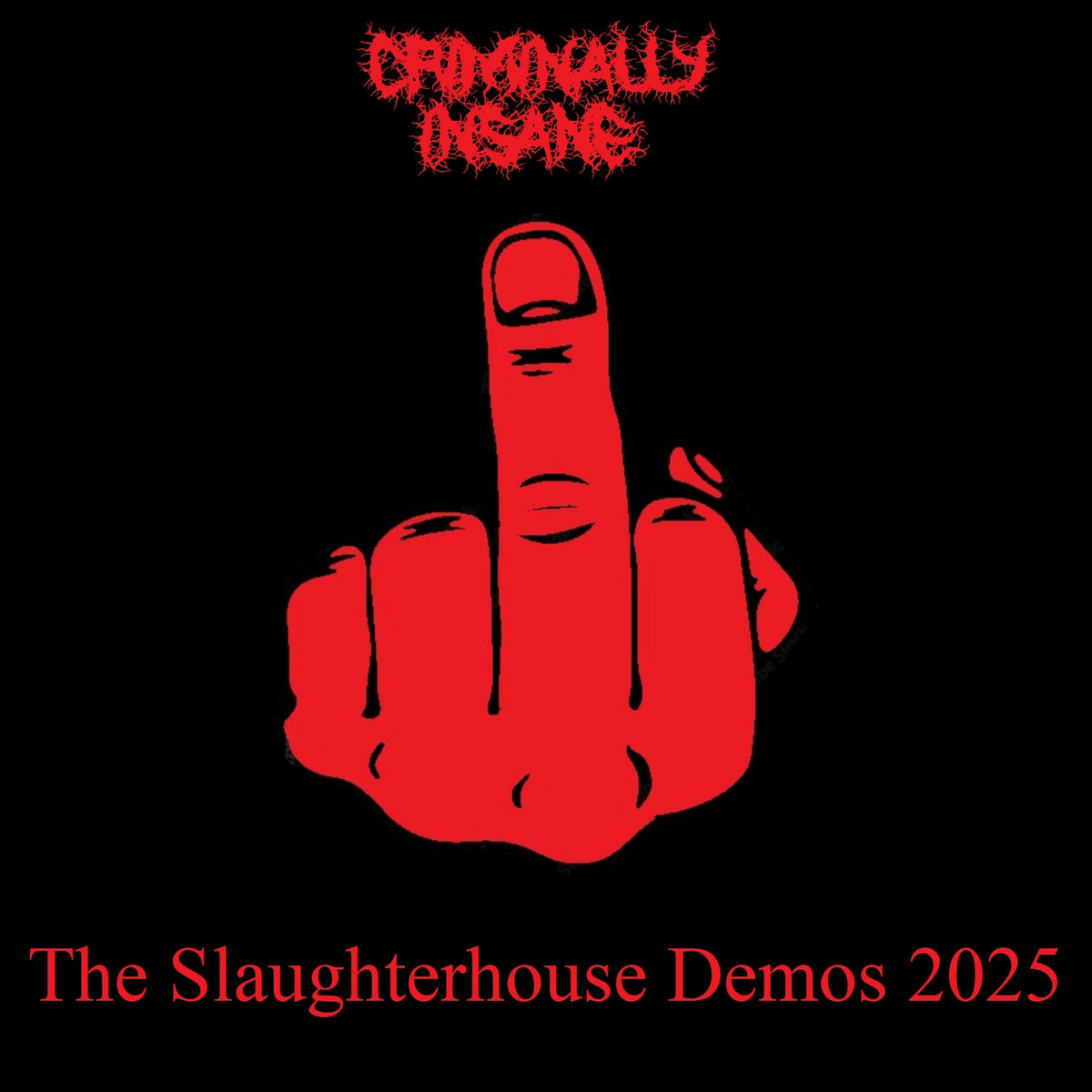
The German thrash legends' decision to dive deep into "Pleasure to Kill," "Terrible Certainty," and "Extreme Aggression" represents exactly what separates events like Maryland Deathfest from corporate festivals. While mainstream events chase radio hits, MDF celebrates the underground DNA that created entire subgenres. For American thrash acts like Slashers and Criminally Insane, witnessing these performances provides direct lineage to their own artistic foundations.
Equally compelling was Solitude Aeturnus's performance featuring Jason McMaster as guest vocalist. The Texas doom metal veterans' collaboration with the seasoned frontman showcased how American metal's veteran community continues supporting each other across state lines and decades. This spirit of collaboration reflects broader trends in the US metal scene, where experience and mentorship flow freely between generations.
Symphonic Evolution and Orchestral Ambitions
Voivod's upcoming "Symphonique" album represents another boundary-pushing moment for North American metal. Drummer Michel "Away" Langevin's description of performing with symphony orchestra as "quite an exercise in memory" reveals the technical and artistic challenges of merging progressive metal with classical arrangements.
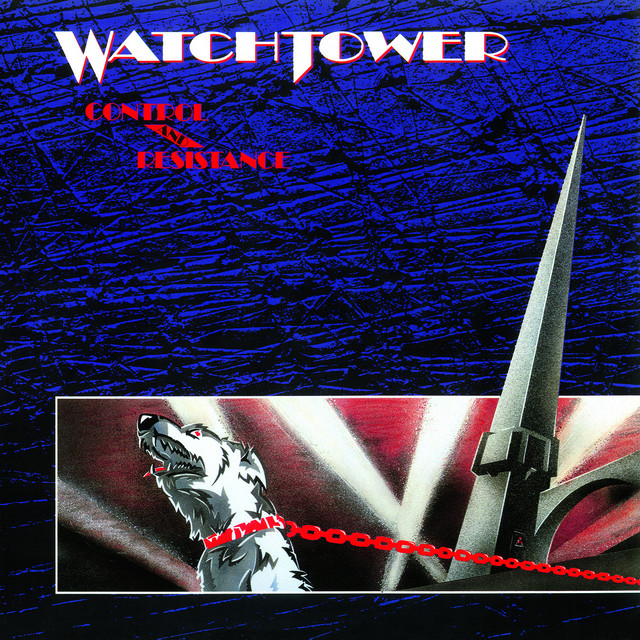
This symphonic trend isn't just European—American bands are increasingly exploring orchestral collaborations. The approach demands not just musical skill but deep compositional understanding, as metal's aggressive dynamics must find harmony with classical instrumentation. For progressive acts in the US metal scene like Asgard and Watchtower, these experiments open new creative territories worth exploring.
Authenticity Versus Innovation Debates Continue
The ongoing discussion about live performance authenticity gained new voices with Chevelle drummer Sam Loeffler's emphatic statement that the band avoids backing tracks. "We're just three guys playing this music" might seem like a simple declaration, but it represents a philosophical stance that resonates throughout American metal culture.
This authenticity emphasis contrasts sharply with how major awards ceremonies treat metal and hard rock. The American Music Awards' decision to award Twenty One Pilots over nominees including Deftones, Sleep Token, and Linkin Park highlights the persistent disconnect between mainstream recognition and metal community values. While disappointing, these snubs often strengthen metal's underground identity and community bonds.
Cross-Generational Influence and Surprising Admissions
Michael Sweet of Stryper's candid admission about not being a Metallica fan despite their massive influence sparked interesting conversations about how best metal bands of different eras relate to each other. Sweet's comments aren't dismissive—they acknowledge Metallica's significance while asserting personal artistic preferences that shaped Stryper's distinct Christian metal approach.
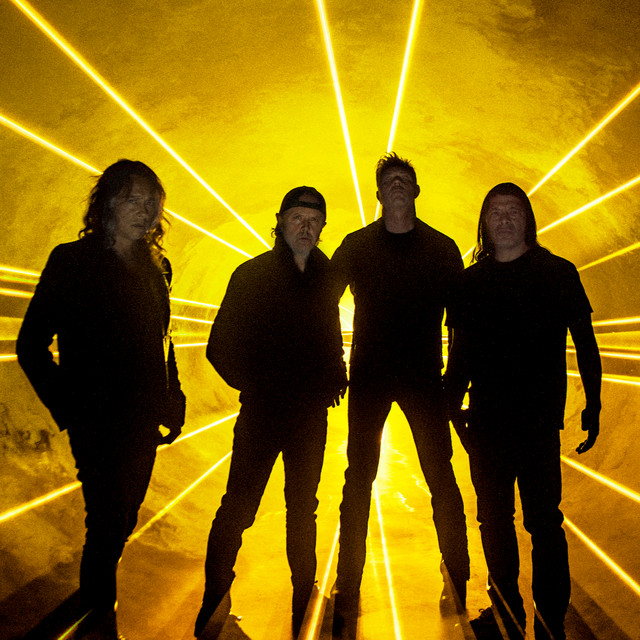
These generational perspectives matter because they reveal how the US metal scene developed through parallel rather than hierarchical evolution. The 80s metal bands that emerged during metal's foundational period each carved unique territories, with some focusing on spiritual themes, others on technical progression, and still others on pure aggression. Understanding these distinctions helps newer acts find their own authentic voices.
Tesla guitarist Frank Hannon's recent comments about avoiding the "hair metal" categorization reflect similar concerns about artistic identity. His emphasis on "lyrics about heartfelt emotion" as the key to longevity suggests that authenticity—whether spiritual, emotional, or technical—matters more than following trends or conforming to industry expectations.
Loss and Community Support
The tragic death of Fear Factory fan Seamus Duignan after a show reminded the metal community of music's profound impact on individual lives. Dino Cazares's tribute highlighted how bands and fans form genuine connections that extend beyond the concert experience. These moments of loss strengthen community bonds and emphasize metal's role as more than entertainment—it's a cultural lifeline for many.
International Connections and Local Scenes
Erik Grönwall's solo debut in Stockholm, following his departure from Skid Row, demonstrates how metal bands touring 2026 navigate international careers while maintaining artistic independence. His setlist mixing original material with Black Sabbath covers shows how established metal classics provide common ground for artists exploring new creative territories.
Meanwhile, bands like Polyphia launching casting calls for Los Angeles video shoots and Ocean Grove planning Australian tours with American acts like Cane Hill illustrate metal's global connectivity. These international collaborations benefit American regional scenes by creating exchange opportunities and expanding artistic horizons.
Looking Forward: Innovation Within Tradition
Masterplan's upcoming "Metalmorphosis" album, led by former Helloween guitarist Roland Grapow, represents how European power metal veterans continue influencing American metal development. The new metal bands 2026 emerging from regional scenes often blend these international influences with distinctly American approaches to songwriting and performance.
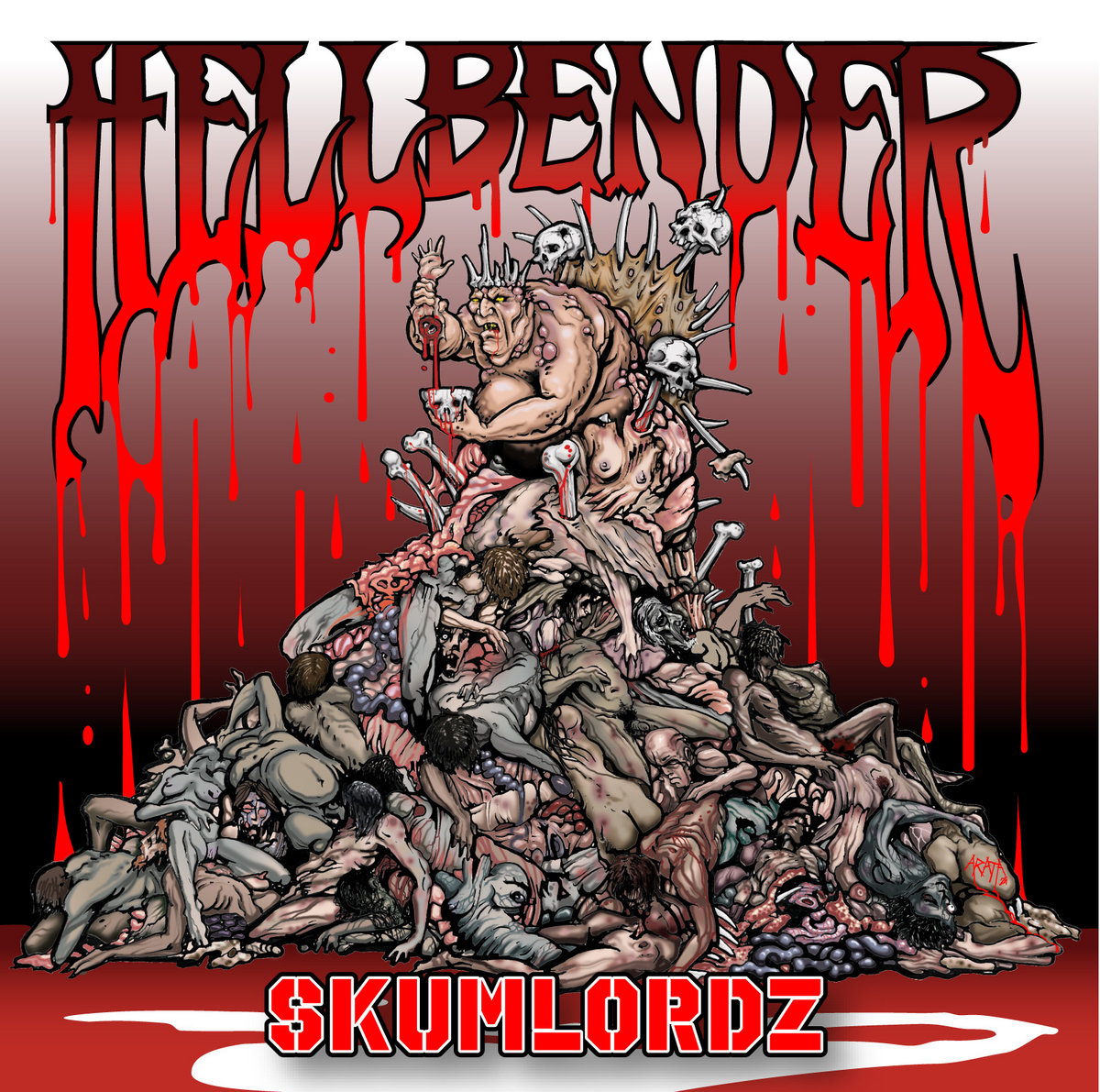
For American power metal acts like Hellbender and traditional heavy metal bands like Shok Paris, these releases provide both inspiration and creative challenges. The question becomes how to honor metal's rich history while developing distinctly American voices that contribute meaningfully to the genre's evolution.
The American metal scene's strength lies in its diversity—from Maryland's extreme metal celebrations to California's progressive experiments, from Texas doom to Pennsylvania thrash. Recent developments prove that authenticity, community support, and artistic risk-taking remain the core values driving the genre forward, regardless of mainstream recognition or commercial pressures.
As we move deeper into 2026, American metal continues demonstrating that innovation and tradition can coexist productively. Whether through orchestral experiments, deep cut celebrations, or cross-genre collaborations, the scene maintains its vitality by embracing both its foundational elements and future possibilities.