Mortality Reflections and Legacy Preservation: How Metal's Veterans Navigate Endings and Eternal Bonds
The metal world finds itself in a contemplative moment as legendary musicians grapple with mortality, legacy, and the profound connections that define their artistic journeys. Recent statements from veteran performers reveal a scene wrestling with life's finite nature while celebrating the eternal bonds forged through decades of sonic assault.
Facing the Final Curtain: Gary Holt's Candid Mortality
Exodus guitarist Gary Holt recently offered a strikingly honest perspective on his own mortality, declaring he doesn't want to die on stage. This candid admission from one of thrash metal's most enduring figures highlights a shift in how veteran musicians approach their careers' twilight years. Rather than embracing the romantic notion of dying with guitar in hand, Holt represents a new pragmatism among metal's elder statesmen.
His comments arrive at a time when many of the best metal bands from the genre's formative decades are confronting similar questions. The thrash metal scene that Holt helped build through the 1980s established many of today's 80s metal bands as foundational pillars, yet those same musicians now face the reality that their performing years are numbered.
This honest approach to aging in metal contrasts sharply with the genre's traditionally defiant stance against time and mortality. For bands like Original Sin and other thrash acts in the US metal scene, Holt's perspective offers a template for graceful evolution without sacrificing artistic integrity.
When the Music Dies: Mikkey Dee's Motörhead Mourning
Perhaps no recent statement captures metal's relationship with loss more poignantly than Mikkey Dee's reflection on his departed Motörhead bandmates. The drummer's mourning for what he describes as an irreplaceable team chemistry speaks to something deeper than professional collaboration—it reveals the profound personal bonds that create metal's most powerful music.
Dee's assertion that he would still be there if Lemmy were alive underscores how certain musical partnerships transcend typical band dynamics. The Motörhead rhythm section represented more than technical proficiency; it embodied a spiritual connection that produced some of metal's most enduring anthems. This type of irreplaceable chemistry echoes throughout metal history, from the classic lineups that defined the best metal albums of all time to the underground connections that fuel today's extreme scenes.
The drummer's comments also highlight how legacy acts navigate the complex emotions surrounding departed members. Unlike bands that continue with replacement musicians, Dee's perspective suggests some musical bonds are simply too sacred to replicate or continue without their essential components.
Spineshank's Health Reality Check
The abrupt departure of Spineshank guitarist Jason Hager from the band's 25th anniversary tour for "The Height of Callousness" brings health concerns into sharp focus. Hager's withdrawal due to health issues serves as another reminder that the physical demands of metal touring can extract serious tolls from even seasoned performers.
This development particularly resonates as metal bands touring 2026 face increasing scrutiny about the sustainability of aggressive touring schedules. The industrial metal scene that Spineshank helped establish in the late '90s was built on intense physical performances, yet the band members who created that foundation are now confronting the long-term consequences.
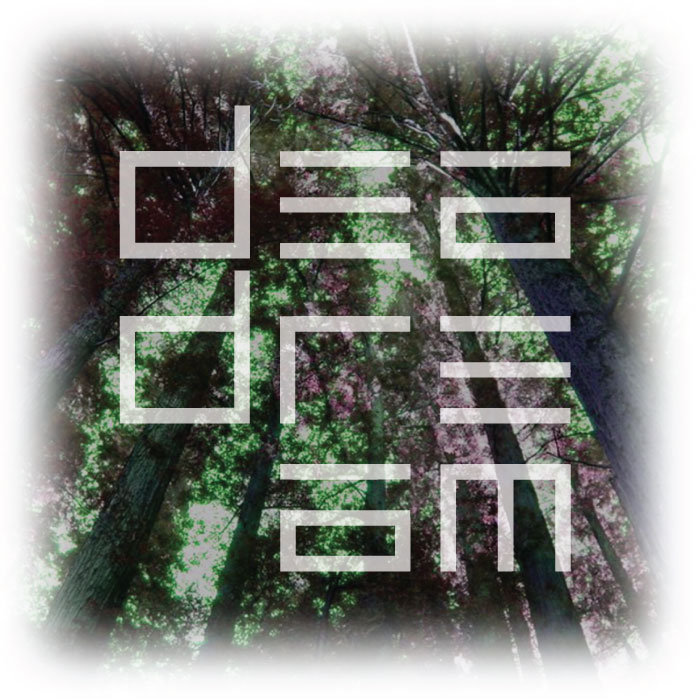
For younger acts in similar genres, Hager's situation provides a sobering reminder about prioritizing health over tour commitments. The atmospheric and post-metal scenes, represented by bands like Deadream, often emphasize emotional intensity over physical aggression, potentially offering more sustainable approaches to live performance as musicians age.
Iron Maiden's Rare Gem Strategy
While others contemplate endings, Iron Maiden demonstrates how veteran bands can surprise longtime followers by diving deep into their catalogs. Their performance of "Infinite Dreams" for the first time in three decades represents a masterful approach to maintaining relevance without compromising artistic integrity.
This strategy of unveiling rarely performed deep cuts allows established acts to create genuine excitement without relying solely on greatest hits packages. The move acknowledges that dedicated fans often treasure album tracks more than radio singles, creating an intimate connection between band and audience that transcends typical nostalgia tours.
Maiden's approach offers a template for other legacy acts seeking to balance fan expectations with artistic growth. Rather than simply recycling the same setlists year after year, the band demonstrates how careful curation of forgotten material can breathe new life into veteran touring cycles.
Judas Priest's Traditional Return
Ian Hill's recent comments about Judas Priest's next album being "more traditional" than "Invincible Shield" signal another fascinating approach to legacy management. The bassist's description suggests the band is consciously returning to their roots while maintaining the creative energy that produced their recent acclaimed release.
This backward-looking progression represents a sophisticated understanding of how metal's greatest bands can honor their histories while continuing to create relevant new material. Rather than chasing contemporary trends or attempting to recapture past glories exactly, Priest appears to be synthesizing decades of experience into something both familiar and fresh.
The band's approach resonates throughout the broader heavy metal scene, where acts must balance innovation with the sounds that originally defined them. For the extensive heavy metal community represented in the US metal scene, Priest's methodology offers insights into sustainable creative evolution.
The Broader Implications for American Metal
These veteran perspectives arrive as the American metal landscape continues evolving at breakneck speed. New metal bands 2026 emerge from scenes that were shaped by the very musicians now contemplating mortality and legacy. The wisdom being shared by figures like Holt and Dee provides crucial guidance for emerging acts who must navigate similar challenges in their own futures.
The doom and sludge scenes, represented by bands like Green Druid and Sleepbomb, often explicitly grapple with themes of mortality and ending, making them particularly relevant to these broader industry conversations. These genres have always embraced the heavier emotional weight that comes with confronting life's finite nature.
For metal's underground communities, the honesty displayed by veteran performers creates space for more nuanced discussions about sustainability, health, and artistic longevity. Rather than perpetuating unsustainable myths about endless endurance, these conversations acknowledge the human elements that make metal's greatest music possible.
Looking Forward Through Reflection
The current moment in metal history finds the genre's founding generation sharing hard-won wisdom about creativity, mortality, and the irreplaceable nature of genuine musical chemistry. These reflections don't signal defeat or retreat; instead, they represent a maturing understanding of what makes metal's greatest moments truly special.

As the US metal scene continues generating new talent and pushing creative boundaries, the perspectives offered by veteran performers provide essential context for sustainable artistic development. The balance between honoring the past and embracing the future remains delicate, but these honest conversations create roadmaps for navigation.
Whether through Gary Holt's mortality pragmatism, Mikkey Dee's partnership mourning, or Iron Maiden's deep-cut surprises, metal's veterans are demonstrating that wisdom and vulnerability can coexist with the genre's fundamental power. These lessons will undoubtedly influence how future generations approach their own artistic journeys, creating a more thoughtful and sustainable metal culture for decades to come.