American Metal's Identity Crisis: Authenticity Debates Intensify From Los Angeles Studios to Crossover Collaborations
The American metal scene finds itself at a fascinating crossroads in 2026, where questions of authenticity, artistic integrity, and creative evolution dominate conversations from coast to coast. Recent developments across multiple subgenres reveal a community grappling with what it means to stay true to metal's core values while embracing necessary change and technological advancement.
The Backing Track Battlefield
Chevelle drummer Sam Loeffler's recent comments about bands relying heavily on pre-recorded tracks during live performances have reignited one of modern metal's most contentious debates. His blunt assessment that "some of these guys aren't playing any of it" strikes at the heart of what many consider metal's fundamental promise: raw, unfiltered musical power delivered in real-time.
This authenticity discussion extends far beyond technical considerations into the very soul of what makes metal compelling. When fans invest their time, money, and emotional energy into live experiences, they expect genuine human performance—complete with the slight imperfections and spontaneous moments that separate live music from studio recordings. The rise of backing tracks represents a fundamental shift in this unspoken contract between artists and audiences.
The debate becomes particularly relevant when examining how different generations approach live performance. Veteran acts often pride themselves on their ability to recreate complex arrangements without technological assistance, while newer bands frequently incorporate backing elements as standard practice. This generational divide reflects broader changes in how music is created, consumed, and experienced in the digital age.
Crossover Evolution and Collaborative Innovation
Extinction A.D.'s new single "Truth or Consequences" featuring Incendiary's Brian Audley exemplifies how American crossover thrash continues evolving through strategic collaborations. Extinction represents the kind of focused, no-nonsense approach that defines quality crossover—music that gets straight to the point without unnecessary embellishment or commercial compromise.
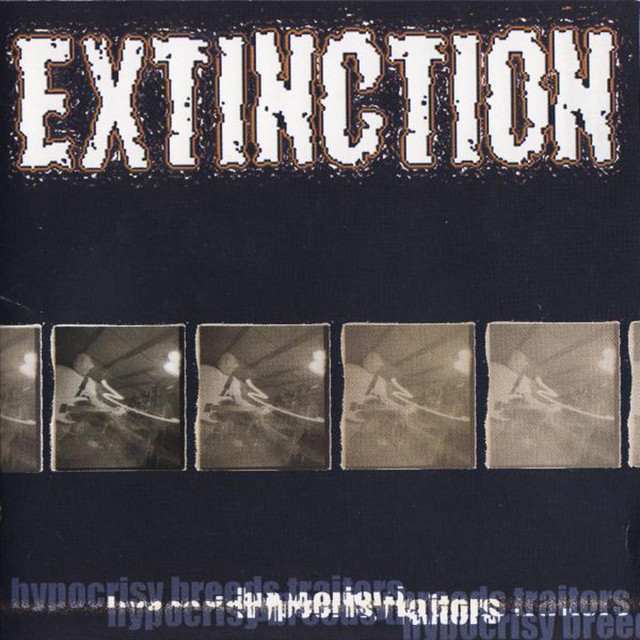
The collaboration with Incendiary's Brian Audley demonstrates how modern crossover artists understand the importance of community and shared artistic vision. Rather than operating in isolation, these bands actively seek partnerships that enhance their sound while maintaining the aggressive directness that defines the genre. This collaborative spirit reflects a mature understanding of how different perspectives can strengthen rather than dilute artistic expression.
Crossover's current renaissance connects directly to broader trends in American heavy music, where audiences increasingly value authenticity over polish. The genre's inherent blend of metal precision and punk energy offers a perfect vehicle for addressing contemporary social and political concerns while maintaining the visceral impact that draws fans to extreme music in the first place.
Los Angeles Metal's Creative Renaissance
Thrown Into Exile's new single "Behind The Veil" marks another significant development in Los Angeles metal's ongoing creative renaissance. The track's premiere on Matt Heafy's "Chaos Hour" demonstrates how established metal personalities continue supporting emerging talent within the American scene. This kind of mentorship and platform-sharing creates vital connections between different generations of metal artists.
Los Angeles metal has always thrived on diversity and innovation, from the early days of thrash through the nu-metal explosion and beyond. Today's LA scene continues this tradition by embracing artists who refuse easy categorization while maintaining clear connections to metal's foundational principles. Bands like Thrown represent this evolution, combining traditional heavy metal elements with contemporary production techniques and modern lyrical approaches.
The city's metal scene benefits enormously from its proximity to the entertainment industry's infrastructure while maintaining enough underground credibility to nurture genuinely innovative artists. This balance allows LA bands to access high-quality recording facilities and industry connections without sacrificing the authentic edge that defines compelling metal music.
Legacy Acts and the Anniversary Circuit
Slayer's continued "Reign in Blood" anniversary celebrations represent both the power and potential pitfalls of legacy-focused touring. While these commemorative performances allow newer generations to experience landmark albums in live settings, they also raise questions about when anniversary tours transition from celebration to routine cash grab.
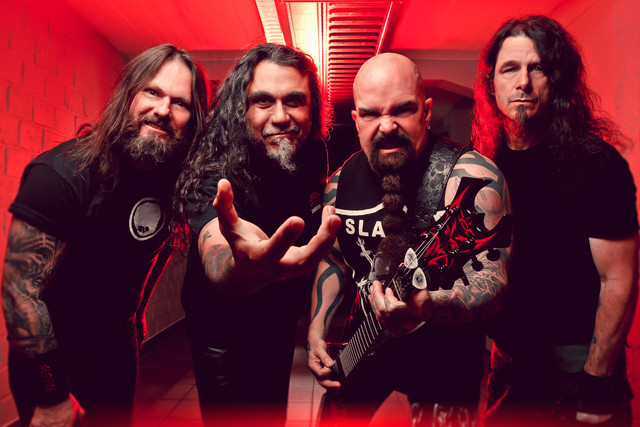
The enduring appeal of "Reign in Blood" demonstrates how certain albums transcend their original context to become cultural touchstones that define entire genres. Slayer's ability to continue drawing massive audiences for these anniversary performances speaks to both their lasting influence and metal's deep respect for its foundational works. However, the proliferation of anniversary tours across the metal landscape suggests that some artists may rely too heavily on past achievements rather than pushing creative boundaries.
This trend becomes particularly interesting when contrasted with Iron Maiden's recent decision to perform "Infinite Dreams" for the first time in three decades. Rather than simply recycling their most commercially successful material, Maiden chose to surprise audiences with a deep cut that rewards long-time fans while demonstrating their vast catalog's depth and versatility.
Health, Mortality, and the Human Element
Spineshank guitarist Jason Hager's abrupt departure from touring due to health concerns highlights the very human realities behind metal's larger-than-life personas. These situations remind fans and industry professionals alike that the physical demands of metal performance take genuine tolls on artists' bodies and minds over time.
The metal community's response to health-related tour cancellations and lineup changes often reveals the scene's underlying values and priorities. When artists prioritize their wellbeing over financial obligations or fan expectations, it creates opportunities for meaningful discussions about sustainability, self-care, and the long-term viability of metal careers.
These health considerations become particularly relevant as many metal pioneers enter their later decades while continuing to tour and record at demanding schedules. The balance between meeting fan expectations and maintaining personal health requires careful navigation that affects not only individual artists but entire tour packages and festival lineups.
International Influences on American Metal
Former Kamelot vocalist Roy Khan's upcoming solo album plans and Tarja Turunen's "Frisson Noir" project demonstrate how international metal artists continue influencing American audiences and scenes. Khan's stated intention to "capture the sound that Kamelot had" during his tenure speaks to the lasting impact of his work with the American-based band, while Turunen's decision to create her "heaviest record" suggests ongoing cross-pollination between different national metal scenes.
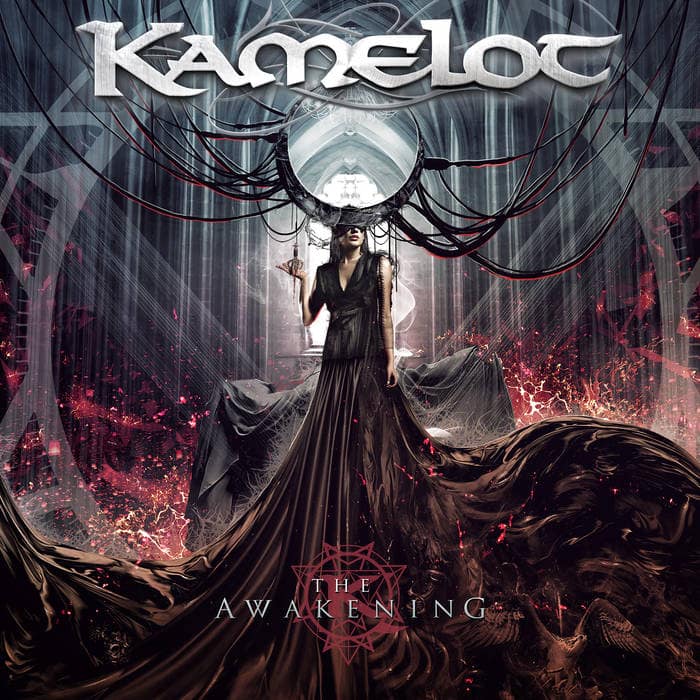
These international connections enrich American metal by introducing new perspectives, production techniques, and artistic approaches that might not emerge organically from domestic scenes alone. The global metal community's interconnected nature means that developments in European, South American, or Asian metal scenes often directly influence American artists and audiences within months or even weeks.
Looking Forward: Authenticity in Evolution
As American metal continues evolving in 2026, the central challenge remains balancing respect for tradition with openness to innovation. The ongoing debates about backing tracks, the success of crossover collaborations, and the enduring appeal of anniversary tours all reflect different aspects of this fundamental tension.
The healthiest approach may involve embracing both perspectives simultaneously—celebrating metal's rich history while encouraging artists to push boundaries and explore new possibilities. This balanced approach allows room for both purist traditionalists and experimental innovators within the broader metal community.
Ultimately, American metal's strength lies in its diversity and its ability to accommodate multiple approaches to creating heavy music. Whether through the raw authenticity of bands that refuse backing tracks, the collaborative spirit of crossover projects, or the calculated nostalgia of anniversary tours, the scene continues offering something meaningful for every type of metal fan.
For bands looking to make their mark in this complex landscape, the key lies in understanding these ongoing conversations while developing their own authentic voices within them. Check out our upcoming shows to experience these debates firsthand, or submit your band to join the conversation yourself.