Symphonic Black Metal Renaissance and Technology's Role in Modern Metal: From Dimmu Borgir's Orchestral Return to AI Avatar Innovations
The American metal landscape finds itself at a fascinating crossroads where traditional orchestral grandeur meets cutting-edge digital innovation. Recent developments in symphonic black metal, technological experimentation, and cross-genre collaborations reveal an underground scene that's both honoring its roots and pushing boldly into uncharted territory.
Symphonic Black Metal's Orchestral Evolution
Norwegian masters Dimmu Borgir have returned with their cinematic approach to extreme metal, showcasing the kind of orchestral sophistication that continues to influence American black metal acts. Their latest visual offering demonstrates how symphonic elements can enhance rather than overshadow the brutality that defines the genre. This orchestral integration represents a maturation that American black metal bands have been pursuing for years.
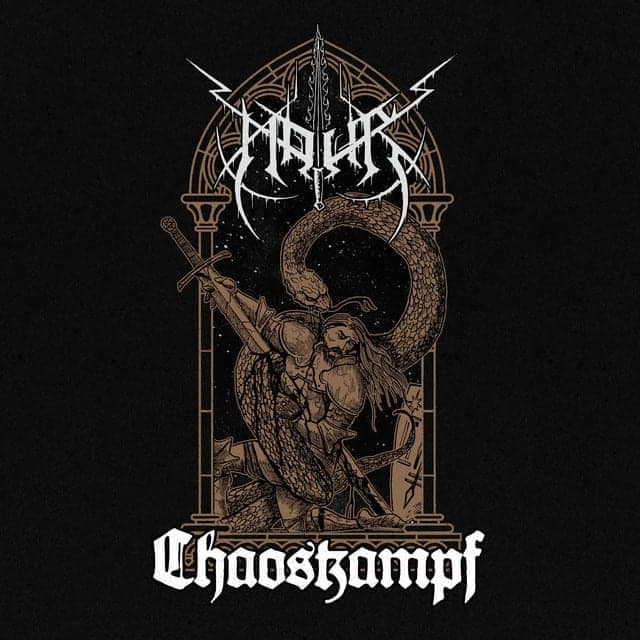
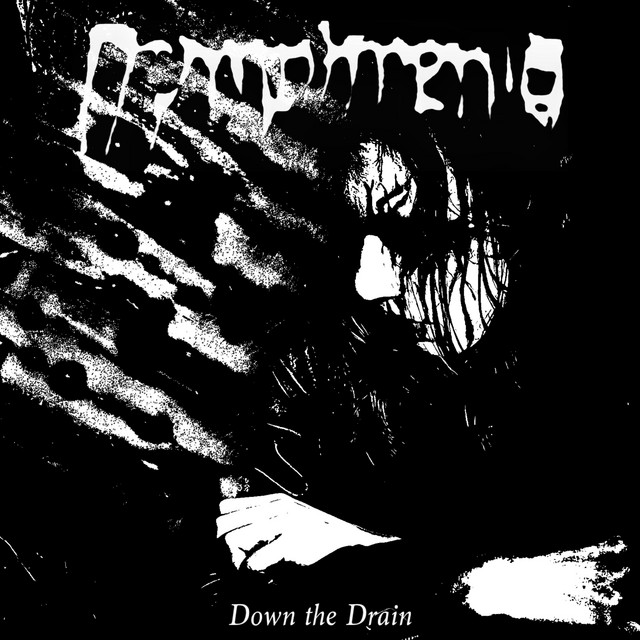
The symphonic black metal movement has found particularly fertile ground in the US, where bands like Mahr and Nymphrenia have been exploring atmospheric territories that blend traditional black metal ferocity with ambient textures. The Norwegian influence remains strong, but American practitioners are developing their own distinct voice within this subgenre.

What's particularly compelling about the current symphonic black metal renaissance is how it's attracting musicians who might have previously gravitated toward more traditional heavy metal or progressive approaches. The genre's cinematic qualities offer a canvas for storytelling that appeals to artists seeking to create immersive musical experiences.
Cross-Continental Collaborations and Modern Metal Fusion
The international metal scene continues to blur geographical boundaries, with Swiss acts incorporating members from established folk metal bands to create entirely new sonic territories. This collaborative approach reflects a broader trend in American metal, where musicians are increasingly willing to experiment across subgenre lines.
Danish contributions to the global metal conversation have historically influenced American industrial and progressive metal scenes. The current wave of releases demonstrates how European innovation continues to inspire American musicians, particularly in the realm of electronic integration and unconventional song structures.
These international developments arrive at a time when American metal bands are more globally connected than ever before. Social media and digital distribution have created opportunities for real-time collaboration and influence that didn't exist during the genre's formative years.
Technology's Double-Edged Impact on Metal Performance
The emergence of AI-powered digital avatars represents perhaps the most significant technological development to impact heavy music in decades. While not directly metal-related, these innovations raise profound questions about authenticity, presence, and the future of live performance that every American metal musician must consider.
The holographic and digital avatar technologies being deployed suggest a future where legendary performers could theoretically continue touring indefinitely. For underground metal scenes, this raises questions about whether such technology could eventually democratize access to iconic performances, or whether it threatens the intimate, sweaty club experiences that define metal culture.
American metal has always maintained a complicated relationship with technology. While embracing digital recording techniques and social media promotion, the scene has generally resisted anything that feels inauthentic or overly produced. The introduction of AI avatars will likely face significant resistance from metal purists who view live performance as sacred communion between artist and audience.
Regional Metal Documentation and Community Building
Live recording projects and hometown showcases continue to serve crucial roles in preserving American metal's regional character. When established acts choose to film performances in their hometown venues, it reinforces the connection between national success and local scene development.
New Orleans' metal scene, in particular, has maintained its distinctive character despite decades of lineup changes and industry evolution. The decision by veteran acts to return home for documentation projects speaks to metal's tribal nature and the importance of geographic identity in defining band character.
These hometown recording projects serve multiple purposes beyond simple documentation. They provide economic benefits to local venues, create content for longtime fans, and demonstrate to younger musicians that success doesn't require abandoning one's roots. For American metal scenes struggling with venue closures and economic pressures, these high-profile local events can provide crucial visibility and validation.
The Melodic Death Metal Underground
Los Angeles continues to serve as an incubator for innovative approaches to extreme metal, particularly in the melodic death metal sphere. The city's diverse musical landscape allows metal musicians to incorporate influences that might not be available in more isolated metal scenes, resulting in hybrid approaches that push genre boundaries.
Blackened melodic death metal represents one of the more interesting developments in American extreme music. By combining the atmospheric elements of black metal with the technical precision of melodic death metal, bands are creating music that satisfies both technical and emotional demands. This approach has particular appeal for American audiences who grew up during the melodic death metal boom of the early 2000s.
The challenge for American melodic death metal bands lies in distinguishing themselves within an increasingly crowded field. International acts continue to set technical and compositional standards that American bands must match or exceed. Success often depends on finding unique elements—whether through vocal approaches, song structures, or thematic content—that separate bands from their peers.
Alternative Rock Ventures and Cross-Genre Pollination
Established musicians continue to explore alternative rock territories, often in collaboration with international partners. These projects demonstrate how metal musicians' skillsets translate to other genres, while potentially introducing metal elements to broader audiences.
The collaboration between American and international musicians in alternative rock contexts reflects metal's ongoing influence on mainstream rock music. Techniques and approaches developed in metal contexts—complex arrangements, powerful production, intense performance styles—continue to elevate alternative rock projects beyond their traditional boundaries.
These cross-genre ventures also serve important career functions for metal musicians. Alternative rock projects can provide financial stability and creative outlets that pure metal projects might not offer, allowing musicians to sustain longer careers while maintaining their metal credentials.
Political Expression and Artistic Identity
American metal continues to grapple with political expression, as musicians navigate increasingly polarized social landscapes. Recent album announcements with politically charged titles reflect metal's longstanding tradition of social commentary, though the specific approaches vary dramatically across the political spectrum.
The challenge for politically minded metal musicians lies in creating art that transcends immediate political moments while still addressing contemporary concerns. The most successful political metal tends to focus on universal themes—corruption, injustice, human struggle—rather than partisan talking points.
American metal's relationship with political expression remains complex and often controversial. The genre's rebellious nature naturally attracts musicians interested in challenging authority and social norms, but the specific targets and methods of that rebellion vary widely across the scene.
Looking Forward: Innovation and Tradition
The current state of American metal reflects a scene confident in its foundations while remaining open to innovation. Whether through technological experimentation, cross-genre collaboration, or international partnership, American metal musicians are finding ways to honor their influences while creating something distinctly contemporary.
For aspiring musicians, the current landscape offers both opportunities and challenges. Technology has democratized recording and distribution, but it has also increased competition and shortened attention spans. Success increasingly requires not just musical skill, but business acumen, social media savvy, and collaborative spirit.
The metal scene's future likely depends on its ability to maintain the authentic connections and community bonds that have always defined the genre, while embracing innovations that enhance rather than replace those fundamental experiences. Whether through AI avatars or hometown recording projects, the technology and trends shaping metal's future will ultimately be judged by their ability to serve the music and the community that sustains it.