MySpace Metalcore Revival and Legendary Band Loyalties: Gradience Fuses Rap with Classic Sounds While Poison Maintains Original Lineup Integrity
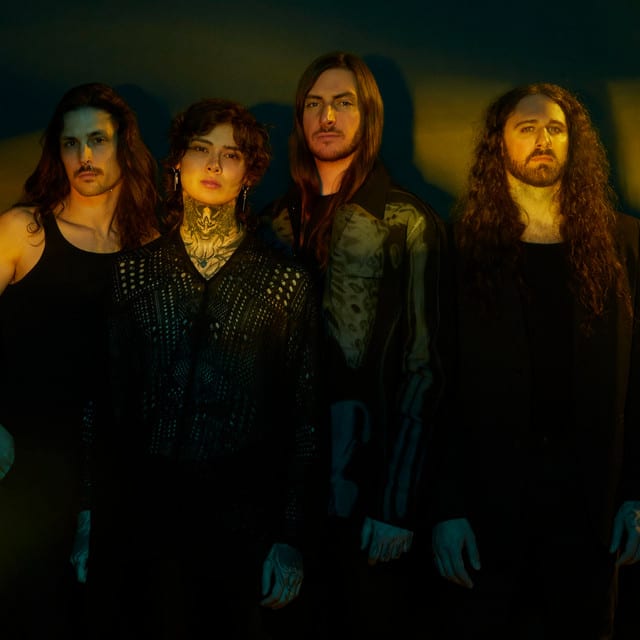
The contemporary metal landscape finds itself at a fascinating crossroads where nostalgic reverence meets bold innovation, as emerging acts breathe new life into beloved sounds while legendary bands fiercely protect their original identities. This dichotomy reveals itself most clearly in two recent developments that illuminate the evolving priorities within American heavy music.
The MySpace Era Gets a Rap Metal Makeover
Gradience has emerged as one of the more intriguing acts attempting to bridge generational gaps in metalcore, releasing their latest video for "Deathwish" with an ambitious fusion approach that pays homage to the MySpace era while incorporating modern rap elements. The band explicitly acknowledges their influences from the mid-2000s metalcore explosion, drawing inspiration from titans like Killswitch Engage, Job For A Cowboy, and The Black Dahlia Murder – acts that defined what many now call the golden age of American metalcore.
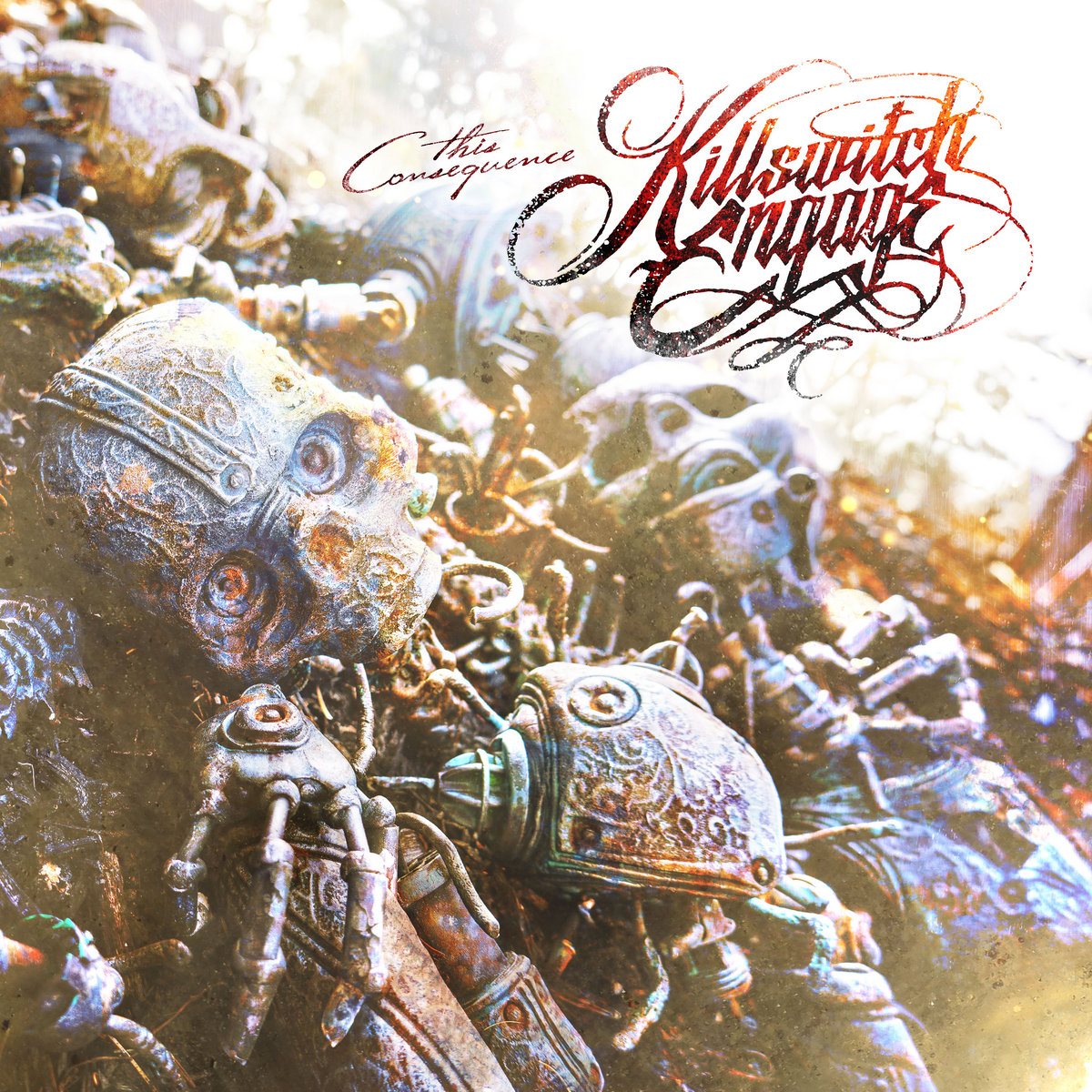
What makes Gradience's approach particularly noteworthy is their willingness to blend these classic metalcore foundations with contemporary rap sensibilities and melodic elements. This fusion represents a growing trend among newer American metal acts who refuse to be confined by traditional genre boundaries. The strategy reflects a broader understanding that today's metal audiences, particularly younger listeners, consume music differently than previous generations.
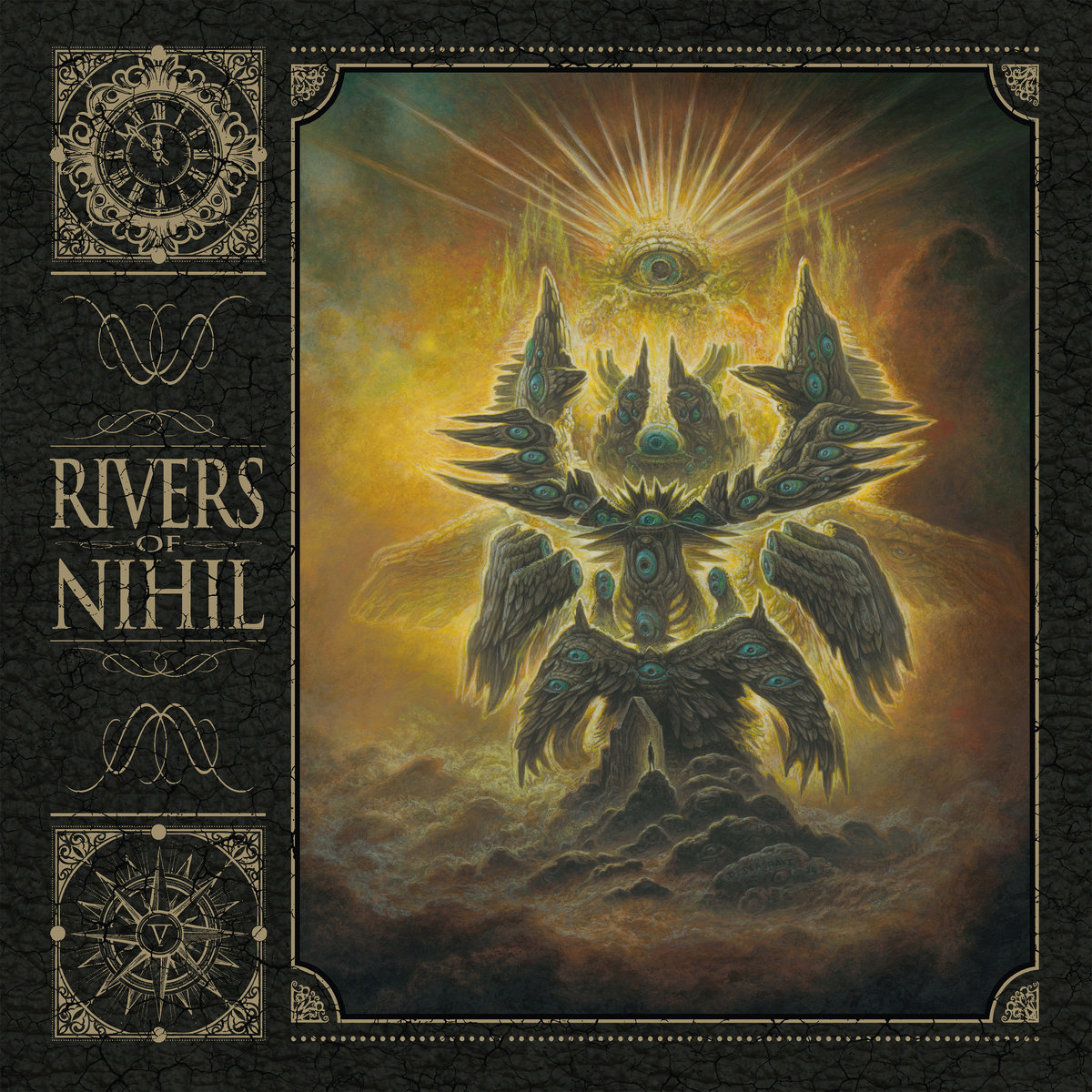
The timing of this MySpace metalcore revival couldn't be more appropriate. Many of the best metal bands that emerged during that era are now celebrating their twentieth anniversaries, creating a natural moment for reflection and reinterpretation. Acts like Rivers of Nihil have already demonstrated how progressive death metal can evolve while maintaining its core intensity, suggesting that genre fusion isn't just trendy – it's essential for keeping heavy music relevant.
The MySpace era represented a unique moment in metal history when digital platforms first allowed underground bands to reach massive audiences without traditional label support. Bands could build devoted fanbases through innovative online marketing and direct fan engagement. Gradience's approach suggests they understand this legacy while adapting it for modern streaming and social media landscapes.
Poison's Unwavering Commitment to Original Chemistry
In stark contrast to the genre-blending experimentation of newer acts, Bret Michaels recently reaffirmed Poison's commitment to their original lineup integrity. The band has made a definitive pact that they will not perform under the Poison name without all four original members present. This declaration comes as drummer Rikki Rockett continues expressing optimism about potential 2027 tour dates commemorating the band's legacy.
This stance represents more than mere nostalgia – it reflects a philosophical approach to band identity that prioritizes authenticity over commercial opportunity. Unlike many classic rock and metal acts that have continued touring with heavily modified lineups, Poison's commitment to their original chemistry acknowledges that certain musical partnerships transcend individual contributions.
The decision carries significant weight within the broader context of American metal touring. Many 80s metal bands face similar decisions as members age, deal with health issues, or pursue solo projects. Poison's choice to maintain lineup integrity rather than continue as a touring entity with substitute musicians sets a precedent that other classic acts are undoubtedly watching closely.
This approach also reflects the unique dynamics of the glam metal scene that emerged from Los Angeles during the 1980s. Unlike thrash metal or death metal bands where technical proficiency might allow for easier member substitution, glam metal relied heavily on specific personality combinations and visual chemistry that made each band's lineup feel irreplaceable.
Generational Approaches to Musical Legacy
The contrast between Gradience's innovative fusion approach and Poison's lineup loyalty illustrates two fundamentally different strategies for maintaining relevance within American heavy music. Younger bands often succeed by pushing boundaries and incorporating diverse influences, while established acts frequently find their strength in preserving what made them distinctive in the first place.
This generational divide extends beyond individual band decisions to broader industry trends. New metal bands 2026 face unprecedented pressure to distinguish themselves in an oversaturated market where thousands of acts compete for limited attention spans. Fusion approaches like Gradience's rap-metalcore hybrid represent one solution – creating something familiar enough to attract existing fans while novel enough to generate curiosity.
Meanwhile, classic acts like Poison recognize that their primary value lies in delivering authentic experiences that transport audiences back to specific moments in heavy music history. Their refusal to compromise lineup integrity acknowledges that fans seeking nostalgia want the real thing, not an approximation.
The Broader Context of American Metal Evolution
These developments occur within a larger transformation of how American metal audiences consume and value music. Streaming platforms have democratized music discovery while simultaneously making it more difficult for individual acts to maintain sustained attention. This environment rewards both bold innovation and authentic preservation – but for different reasons and different audience segments.
The MySpace metalcore revival that Gradience represents taps into a specific form of millennial nostalgia while updating those sounds for contemporary listeners. This approach recognizes that many of today's metal fans discovered their passion during the mid-2000s metalcore explosion, creating opportunities for acts that can successfully bridge past and present.
Progressive metal acts like Polyphia have already demonstrated how technical innovation can coexist with accessibility, suggesting that the future of American metal lies in sophisticated fusion approaches rather than rigid adherence to traditional subgenre boundaries.
Looking Forward: Innovation vs. Authenticity
As we move through 2026, these competing philosophies will continue shaping American metal's trajectory. Metal bands touring 2026 must navigate between satisfying longtime fans' desire for familiar experiences while attracting new audiences who expect constant evolution and innovation.
The success of both approaches suggests that American metal is healthy enough to support multiple strategies simultaneously. Gradience's fusion experiments and Poison's authenticity commitments serve different but equally valid purposes within the broader ecosystem of heavy music.
For emerging bands, the lesson might be that innovation requires understanding what came before. Gradience's explicit acknowledgment of their MySpace metalcore influences demonstrates that successful fusion begins with deep respect for source material. Similarly, Poison's lineup loyalty shows that some musical partnerships create value that transcends individual ambitions.
The continued vitality of American metal depends on maintaining space for both innovative experimentation and authentic preservation. As new acts push boundaries and classic bands protect their legacies, the genre benefits from this creative tension between evolution and tradition.