Digital Immortality and Theatrical Excess: AI Ozzy Osbourne Meets Les Claypool's Triple-Band Spectacle
The American metal and heavy music landscape finds itself at a fascinating crossroads where cutting-edge technology collides with old-school showmanship excess. Two major developments this week highlight dramatically different approaches to pushing performance boundaries – Ozzy Osbourne's upcoming AI-powered digital avatar launch and Les Claypool's ambitious "Claypool Gold" tour featuring three different bands each night.
The Digital Prince of Darkness
Perhaps no development better captures metal's leap into the digital age than the announcement of Ozzy Osbourne's AI-powered avatar. Using advanced "holoportation" technology from Proto Luma, this digital incarnation promises to bring the Black Sabbath frontman's presence to venues across the United States and UK starting this summer. The project, licensed by Sharon and Jack Osbourne to tech company Hyperreal, represents a bold experiment in how legendary performers might extend their reach beyond physical limitations.
This technological marvel raises profound questions about the future of live performance in heavy music. While purists might recoil at the concept of artificial performers, the reality is that many of metal's greatest icons are aging, and their ability to tour extensively grows more challenging with each passing year. The AI Ozzy could potentially deliver classic performances to audiences who might never otherwise experience his stage presence, albeit in digital form.
The implications extend far beyond novelty. If successful, this could establish a template for how other veteran metal acts preserve and extend their legacies. Imagine AI versions of other heavy metal legends bringing their performances to smaller markets or international audiences previously out of reach. However, the technology also highlights the ongoing debate about authenticity versus accessibility that has long simmered in metal circles.
Triple-Header Madness
On the opposite end of the performance spectrum, Les Claypool's "Claypool Gold" tour demonstrates that some artists prefer to push boundaries through sheer creative excess rather than technological innovation. The ambitious trek sees Claypool performing with three different bands – Primus, The Claypool Lennon Delirium, and Fearless Flying Frog Brigade – during single shows, delivering massive setlists that span his diverse musical catalog.
This approach represents everything that makes American experimental metal and progressive rock compelling. Rather than relying on technology to enhance the experience, Claypool doubles down on human creativity and endurance. Each night becomes a marathon showcase of musical versatility, demanding exceptional stamina from both performers and audiences willing to commit to the full experience.
The tour's success speaks to a hunger among American metal and progressive rock fans for ambitious, immersive experiences that can't be replicated through streaming or digital consumption. In an era where many acts stick to predictable setlists and familiar material, Claypool's willingness to present three distinct musical personalities in one evening feels genuinely revolutionary.
Studio Authenticity and Live Documentation
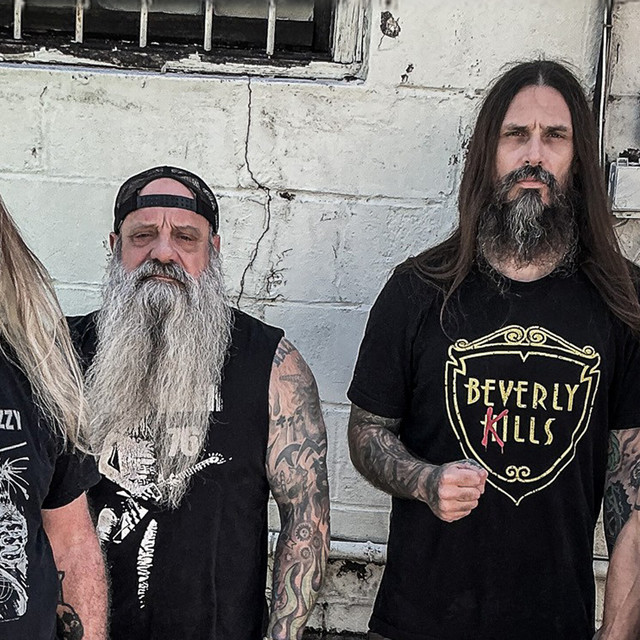
The recent surge in live recording projects adds another layer to this evolving performance landscape. Dance Gavin Dance's "Tree City Sessions 3" captures intimate studio performances that blend the polish of recorded music with live energy, while New Orleans sludge metal veterans Crowbar prepare to film a free hometown show for an upcoming live album at Southport Music Hall this July.
These projects highlight how American bands are seeking middle ground between sterile studio perfection and chaotic live energy. The controlled studio environment allows for multiple takes and perfect audio capture while maintaining the spontaneity and connection of live performance. It's a format that could become increasingly important as bands seek ways to document their work for audiences who might not be able to attend traditional concerts.
Crowbar's decision to offer their recording session as a free show to their hometown crowd demonstrates the symbiotic relationship between bands and their local scenes. New Orleans has always been crucial to American metal's development, from sludge pioneers to modern extreme metal acts, and this gesture reinforces those community bonds while creating professional documentation.
International Perspectives on American Stages
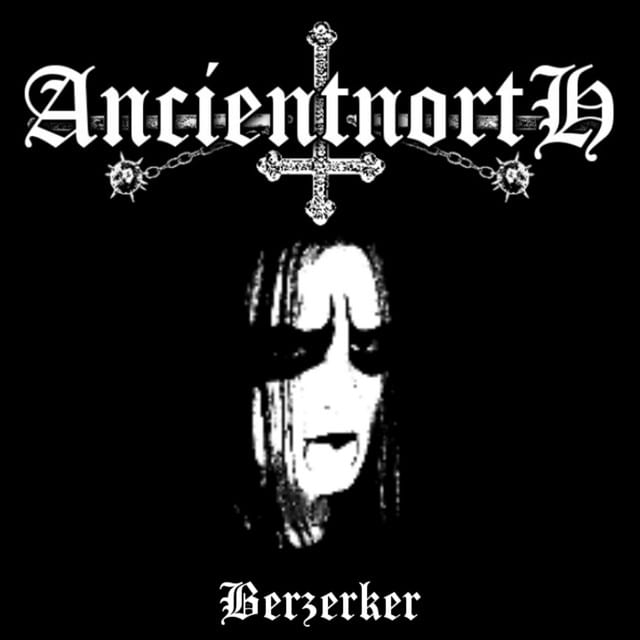
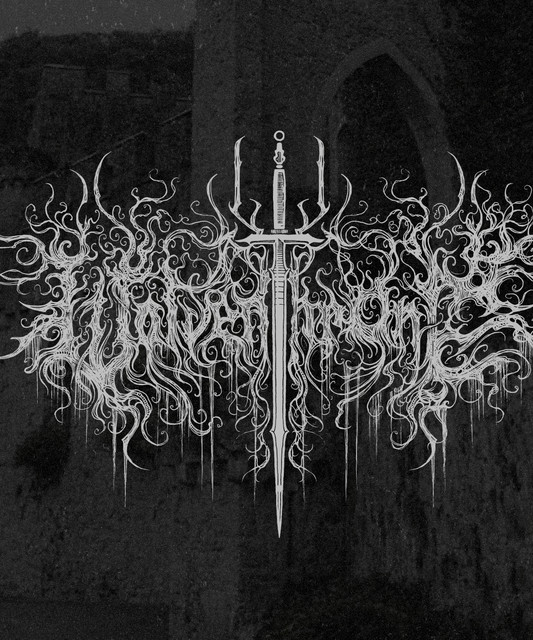
While Norwegian black metal legends Dimmu Borgir return with their first album in eight years, their success continues to influence American extreme metal acts pushing similar boundaries. The symphonic black metal approach pioneered by such international acts has found fertile ground in the US scene, where bands like Ancient North and Wolventhrone incorporate orchestral elements into their atmospheric compositions.
The cross-pollination between American and international metal scenes has never been stronger, with touring packages regularly featuring mixed nationality lineups and collaborative projects spanning continents. This global perspective enriches the American metal landscape while maintaining the distinctive regional characteristics that make US scenes unique.
Veterans and Evolution
The announcement of Aaron Lewis's provocatively titled solo album "Give My Country Back" demonstrates how established American metal musicians continue evolving their artistic voices beyond their original bands. Lewis's transition from Staind's nu-metal success to country-influenced solo work reflects broader patterns of artistic exploration among musicians who came of age during the late 90s and early 2000s metal boom.
Similarly, Tommy Lee's refreshed "Tommyland Rides Again" project shows how veteran performers are revisiting and reimagining their past work rather than simply reissuing it unchanged. The decision to remix and remaster the material in his personal Dolby Atmos-certified studio represents a middle path between nostalgia and innovation.
These projects highlight how American metal veterans are refusing to be confined by their past successes while still honoring the work that established their careers. It's an approach that contrasts sharply with acts that either completely abandon their roots or endlessly repeat their greatest hits without variation.
Regional Hardcore Celebrations
Boston hardcore legends Gang Green's upcoming 40th anniversary shows for "Another Wasted Night" demonstrate the enduring power of regional hardcore scenes in American heavy music. The East Coast dates with fellow Boston acts The FU's, Tree, and Worm create a celebration that goes beyond single-band nostalgia to honor entire scenes and eras.
These anniversary celebrations serve multiple purposes within American metal and hardcore communities. They provide opportunities for veteran fans to reconnect with formative musical experiences while introducing younger audiences to foundational bands they might have missed. The multi-band format also reinforces the community aspects that make hardcore and metal scenes sustainable across decades.
The hardcore punk influence on American metal cannot be overstated, with crossover thrash and metalcore owing obvious debts to the intensity and DIY ethics of bands like Gang Green. These anniversary shows serve as educational experiences, demonstrating the historical connections that link seemingly disparate subgenres within American heavy music.
Technology Versus Tradition
The contrast between Ozzy's digital avatar and traditional approaches like Gang Green's anniversary shows encapsulates the current moment in American heavy music. Technology offers unprecedented possibilities for extending artistic reach and preserving performances, while traditional live shows maintain irreplaceable human connections and community building.
Rather than viewing these approaches as competitive, the American metal scene seems to be embracing both simultaneously. Fans can experience cutting-edge digital performances while still supporting local venues and underground shows. The diversity of options strengthens rather than fragments the overall scene by accommodating different preferences and circumstances.
As 2026 progresses, these parallel developments will likely influence how other American metal acts approach performance, documentation, and audience engagement. The most successful artists will probably be those who can navigate between technological innovation and traditional values, using new tools to enhance rather than replace fundamental human connections that make heavy music meaningful.
The future of American metal lies not in choosing between digital and physical, artificial and authentic, but in finding creative ways to blend these approaches that serve both artists and audiences while maintaining the intensity and community that define heavy music culture.