Health Battles and Creative Searches: Breaking Benjamin Returns While Skid Row Innovates Vocalist Hunt
The American hard rock and metal landscape finds itself at a fascinating crossroads this season, where established acts confront both physical adversities and creative challenges. While health concerns shake veteran performers to their core, innovative approaches to band membership are redefining how groups connect with potential collaborators in an increasingly digital music industry.
When Health Becomes the Ultimate Test
The recent revelation about Mötley Crüe vocalist Vince Neil's late 2024 stroke serves as a stark reminder of the fragility underlying even the most seemingly indestructible rock personas. Bassist Nikki Sixx's candid reflection on his bandmate's ordeal—particularly the terror of potentially losing the ability to perform—cuts to the heart of what defines these artists beyond their public facades.

This vulnerability resonates throughout the scene, where performers who've spent decades projecting invincibility must suddenly confront their mortality. The psychological impact extends beyond the physical recovery; it's the existential crisis of imagining a world where your life's passion becomes impossible to pursue. For veterans who've built their identities around high-energy performances and vocal prowess, such health crises represent more than medical challenges—they threaten the very core of their being.
The broader implications ripple through touring schedules, fan expectations, and the harsh economic realities of bands whose income depends on consistent live performance. When health strikes at the heart of these operations, it forces difficult conversations about authenticity, adaptation, and the sustainability of careers built on physical stamina.
Breaking Benjamin's Dark Evolution
Against this backdrop of health concerns, Breaking Benjamin emerges with "Something Wicked," their latest single that showcases the band's continued evolution within the atmospheric hard rock space. The track represents their signature blend of brooding intensity and thunderous instrumentation, hinting at forthcoming album material that could define their next creative phase.
The band's ability to maintain creative momentum while many of their peers struggle with various challenges demonstrates the importance of consistency in building lasting careers. Breaking Benjamin's approach—focusing on atmospheric tension and carefully crafted emotional landscapes—offers a blueprint for how American hard rock acts can mature without losing their essential identity.
Their timing proves particularly astute, as the current musical climate favors acts capable of delivering both emotional depth and sonic power. The new single's "haunting" qualities suggest the band continues pushing beyond simple alternative metal formulas, exploring darker psychological territories that resonate with contemporary audiences seeking authenticity over manufactured aggression.
Revolutionary Talent Search Strategies
While Breaking Benjamin refines their established sound, Skid Row embarks on perhaps the music industry's most innovative vocalist search to date. Their partnership with Sweetwater represents a groundbreaking approach to band member recruitment, leveraging the reach and infrastructure of a major musical equipment retailer to find their next frontman.
Rachel Bolan's acknowledgment that "a few guys have really piqued our interest" suggests this unconventional method is yielding genuine results. The approach reflects broader changes in how bands connect with potential members in an era where traditional industry gatekeepers hold less influence. By partnering with Sweetwater—a company that interacts daily with musicians at all levels—Skid Row accesses a talent pool far beyond the typical industry networking circles.
This strategy could revolutionize how established acts approach member changes, particularly for bands seeking to inject fresh energy while maintaining their core identity. The democratization of the audition process through retail partnerships represents a significant shift from the closed-door, insider-driven recruitment that has traditionally dominated band lineups.
Solo Ventures and Creative Independence
Simultaneously, Rachel Bolan's solo project "Gargoyle Of The Garden State" demonstrates how established musicians are exploring personal artistic territories while maintaining their primary band commitments. Working with producer Nick Raskulinecz, who also helmed Skid Row's recent "The Gang's All Here" album, suggests continuity in sonic approach while allowing for more personal creative expression.
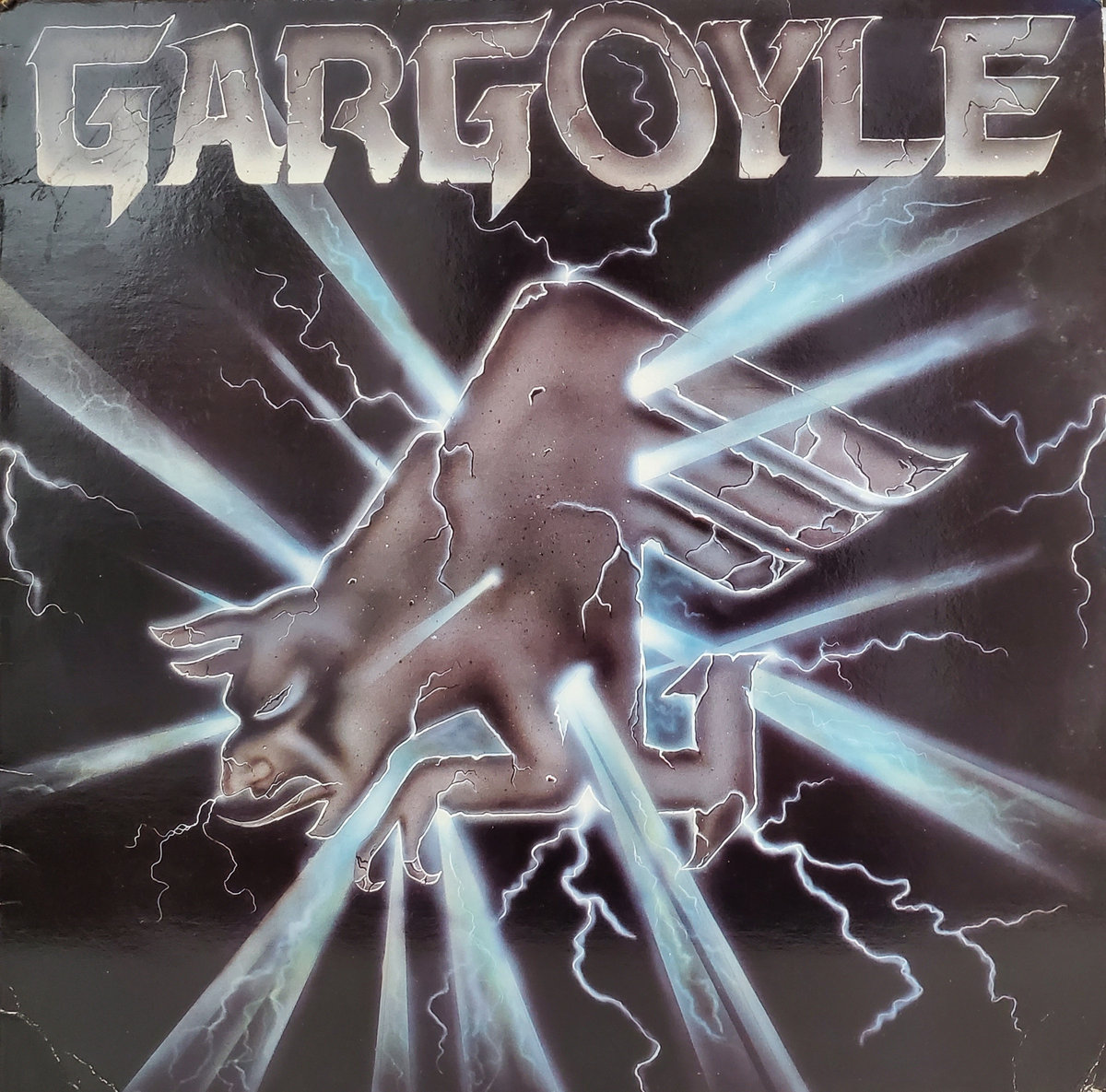
The "Memory" single represents the first glimpse into this solo territory, where Bolan can explore themes and musical directions that might not fit Skid Row's established framework. This parallel creative path—maintaining both band and solo careers—has become increasingly common among veteran musicians seeking artistic fulfillment beyond their primary projects.
Such endeavors often provide valuable creative outlets that ultimately benefit the primary band, allowing members to experiment with different styles and collaborate with new producers without disrupting established group dynamics.
Industry Accountability and Trust
The ongoing accountability issues within festival management—highlighted by recent allegations against Slam Dunk Festival leadership—continue reshaping how the industry addresses misconduct. These developments force event organizers, sponsors, and participating acts to confront uncomfortable questions about due diligence and community responsibility.
The pattern of allegations emerging against festival organizers reflects broader cultural shifts toward accountability, but also raises concerns about the stability of events that provide crucial platforms for both established and emerging acts. When festival leadership faces serious accusations, it affects not just the immediate events but the broader ecosystem of tours, sponsorships, and career development opportunities.
Legacy Recognition and Historical Perspective
The Iron Maiden Rock and Roll Hall of Fame induction brings additional complexity, particularly regarding former members like Dennis Stratton. His diplomatic approach—expressing desire to attend while respecting current band dynamics—illustrates the delicate politics surrounding legacy recognition for groups with extensive membership changes.
These situations highlight how institutional recognition intersects with personal relationships and band politics, often creating awkward scenarios where contributions are acknowledged in theory but complicated by practical relationship dynamics. The Hall of Fame's traditional focus on specific lineups sometimes struggles to accommodate the fluid nature of many long-running bands.
Looking Forward: Adaptation and Innovation
As American metal and hard rock navigate these various challenges—health crises, creative evolution, industry accountability, and legacy recognition—the scene's resilience becomes apparent through innovative adaptation. Breaking Benjamin's continued creative output, Skid Row's revolutionary recruitment approach, and the industry's gradual accountability improvements demonstrate a scene capable of growth despite significant obstacles.
The diversity of approaches—from atmospheric hard rock evolution to democratized band member searches—suggests a healthy ecosystem where different strategies can coexist and thrive. Whether dealing with personal health battles or creative challenges, American acts are finding ways to maintain relevance while staying true to their essential artistic visions.
These developments collectively point toward a more mature, accountable, and innovative scene that honors its legacy while embracing necessary changes for future sustainability.