Affordable Concert Revolution and Bay Area Thrash Renaissance: Live Nation's $30 Ticket Initiative Meets Vio-Lence International Expansion
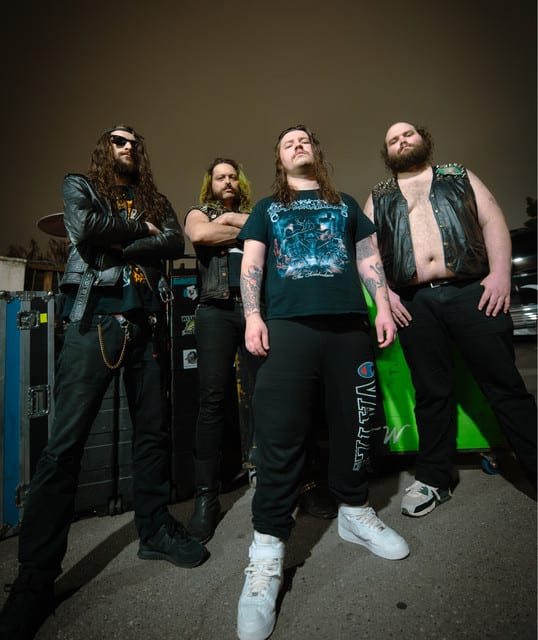
The American metal landscape is experiencing a seismic shift as two major developments promise to reshape how fans experience live heavy music. Live Nation's announcement of $30 "Summer of Live" shows featuring metal giants like Iron Maiden and Rob Zombie arrives alongside Bay Area thrash legends Vio-Lence expanding their reach with an ambitious international summer tour dubbed "Eruption of Screams." These parallel movements highlight both the corporate evolution of metal's business model and the grassroots resurgence of classic American thrash.
Breaking the Ticket Price Barrier
For decades, concert ticket prices have been the bane of metalheads' existence, with premium acts commanding triple-digit prices that price out younger fans and working-class audiences who form metal's core constituency. Live Nation's $30 ticket initiative represents a radical departure from this model, potentially democratizing access to some of the best metal bands in the world. The inclusion of Iron Maiden, one of heavy metal's most revered acts, signals that this isn't just a clearance sale of second-tier artists.
Rob Zombie's participation in this program is particularly significant for the US metal scene. His theatrical industrial metal spectacles have become increasingly expensive to produce and attend, making this pricing structure a gamble on volume over margin. Zombie's shows are notorious for their elaborate stage productions, complete with horror movie aesthetics and pyrotechnics that rival any arena rock production. At $30, fans who might normally wait for streaming footage can now experience these productions firsthand, potentially expanding the audience for similar theatrical metal acts.
This pricing revolution could have profound implications for metal bands touring 2026 and beyond. If the experiment succeeds, it might force a industry-wide recalibration of how metal shows are priced and produced. For emerging acts struggling to build audiences in an oversaturated market, this could establish new precedents for accessible pricing that helps bands build sustainable fan bases rather than exploiting existing ones.
Vio-Lence and the Thrash Resurgence
While corporate giants experiment with pricing models, Bay Area thrash veterans Vio-Lence are proving that authentic American thrash metal has international appeal worth pursuing. Their "Eruption of Screams" international summer tour represents more than just a band hitting the road – it's evidence of thrash metal's enduring global relevance and the particular cachet that American bands still carry in international markets.
Vio-Lence's journey from 80s Bay Area underground heroes to internationally touring veterans mirrors the broader trajectory of American thrash metal. Unlike their more commercially successful contemporaries, Vio-Lence maintained their aggressive edge through decades of lineup changes and industry upheaval. Their current international push comes at a time when thrash metal is experiencing renewed interest among both nostalgic older fans and younger audiences discovering the genre's raw power.
The band's international focus also highlights how US metal bands are increasingly looking beyond domestic markets for growth opportunities. While American venues struggle with rising costs and corporate consolidation, international markets offer both higher profit margins and more enthusiastic audiences for classic American metal styles. This trend has implications for the entire American extreme metal ecosystem, as successful international tours can provide the financial foundation for domestic underground activity.
Festival Circuit Expansion
The announcement of Milwaukee Metalfest 2026's staggering lineup further demonstrates the current vitality of American heavy music. Featuring everyone from sludge doom pioneers Acid Bath to melodic metalcore masters Killswitch Engage, the festival represents a cross-generational celebration of American metal's diversity. The inclusion of legendary hardcore crossover act Suicidal Tendencies alongside death metal titans Obituary and atmospheric doom act Pallbearer shows how modern metal festivals are embracing genre fluidity.
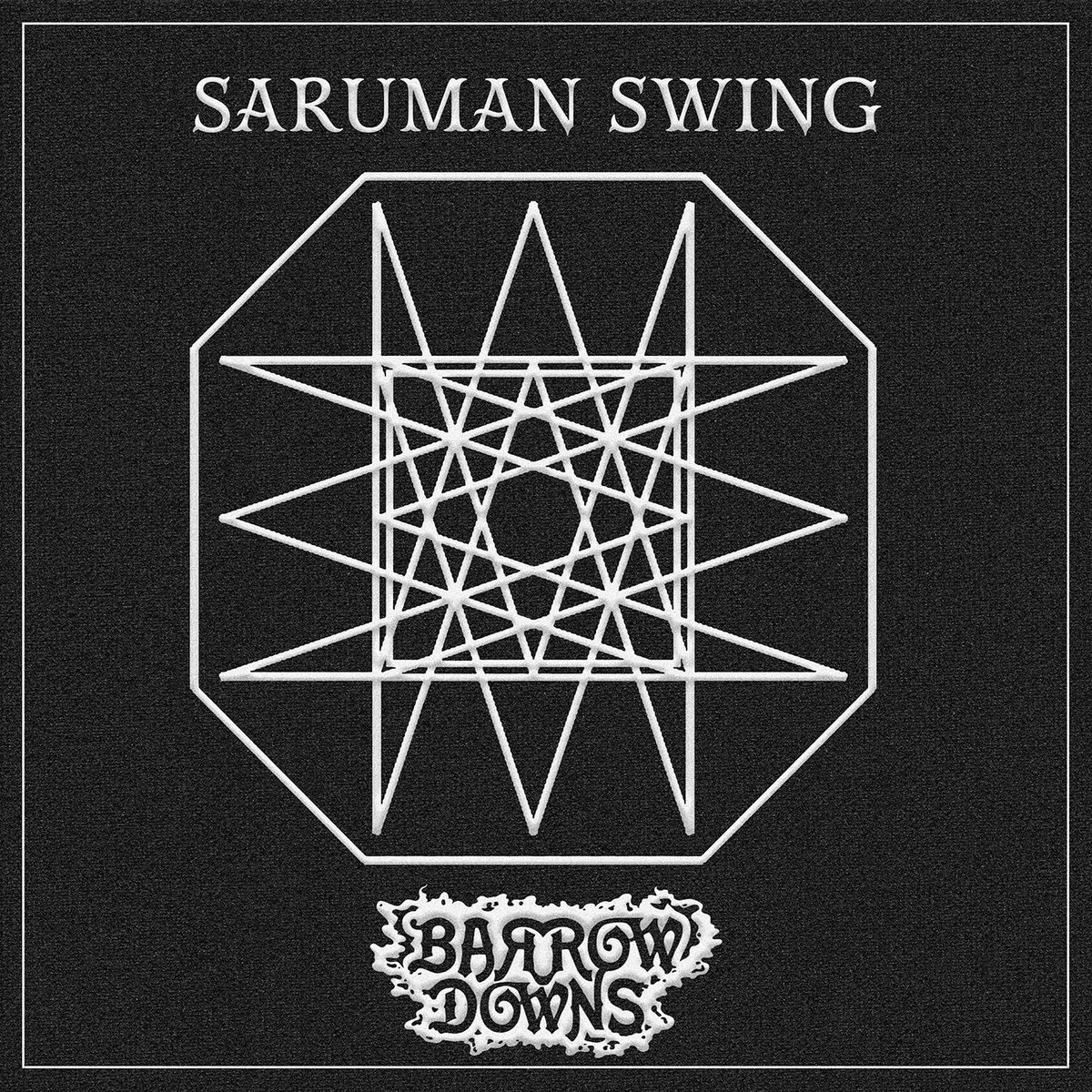
This lineup diversity reflects broader changes in how American metal fans consume music. Rather than strict genre segregation, modern metalheads increasingly appreciate the full spectrum of heavy music, from the crushing doom of acts like Barrow Downs to the technical precision of bands like No Longer Human. Festivals like Milwaukee Metalfest are responding by creating experiences that celebrate this diversity rather than constraining it.
Legacy Acts Navigate Modern Challenges
The current news cycle also reveals how veteran acts are adapting to modern touring realities. Ritchie Blackmore's recent health-related tour cancellations and statements about pulling back on touring highlight the physical toll that decades of performance take on aging musicians. For legendary figures who helped establish the foundations of hard rock and early metal, the question isn't whether to continue touring, but how to do so sustainably.
This reality check comes as younger acts like Pop Evil announce plans for their ninth studio album, representing the generational shift occurring throughout American metal. While veterans contemplate stepping back, established acts from the 2000s and 2010s are hitting their creative stride, and new metal bands 2026 are preparing to claim their space in an increasingly crowded landscape.
Corporate Metal vs. Underground Authenticity
The contrast between Live Nation's corporate approach to making metal more accessible and Vio-Lence's grassroots international expansion illustrates the dual nature of modern American metal. On one hand, corporate involvement can break down financial barriers that prevent fans from experiencing live music. On the other hand, the authentic underground spirit that made American metal culturally significant in the first place requires protection from excessive commercialization.
This tension plays out differently across metal's various subgenres. While theatrical acts like Rob Zombie can benefit from corporate backing that enables elaborate productions at reduced ticket prices, underground black metal acts like Estuary Battalion VII might find their artistic vision compromised by similar commercial pressures. The key is maintaining space for both approaches within the broader American metal ecosystem.

International Recognition of American Metal
The international appeal of American metal acts continues to grow, as evidenced by both Vio-Lence's overseas expansion and John 5's inaugural European solo tour. This global recognition represents decades of American metal's cultural influence finally being acknowledged in international markets that once viewed American acts as inferior to their European counterparts.
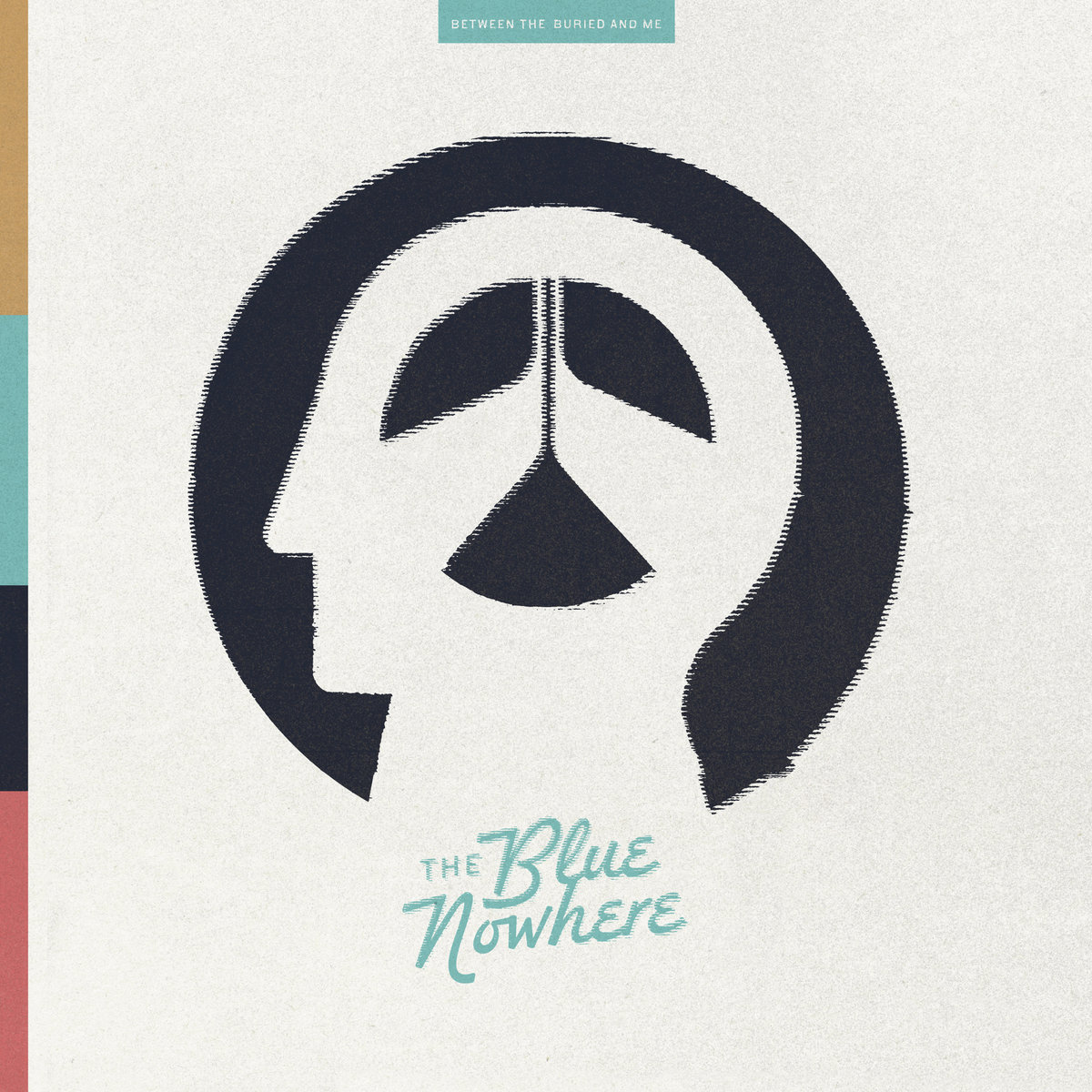
This shift has practical implications for American metal's development. International touring revenue can sustain bands through domestic market downturns, while global exposure helps American acts reach audiences that might never encounter them otherwise. For technical death metal acts like 200 Stab Wounds or progressive experimentalists like Between The Buried And Me, international recognition validates the artistic risks they take in pushing genre boundaries.
The Future of American Metal Live Experience
As these various trends converge, American metal's live experience is evolving rapidly. Affordable pricing initiatives, international touring expansion, and diverse festival programming are creating more opportunities for fans to experience heavy music in person. Whether through a $30 Iron Maiden show or a Vio-Lence performance in a European club, the barriers between fans and the music they love are gradually being reduced.
This democratization of access comes at a crucial time for American metal's continued vitality. As streaming platforms make recorded music essentially free, the live experience becomes increasingly important for both fan engagement and artist survival. The current developments suggest that American metal is adapting to this reality by making live music more accessible rather than more exclusive, a approach that could sustain the scene for decades to come.