Veteran Thrash Titans and Space Rock Comebacks: Exodus Defends Vocalist Choice While Hum Returns After Five-Year Silence

The American metal landscape experienced a fascinating convergence this week as thrash metal veterans doubled down on creative decisions while space rock pioneers emerged from extended hibernation. Gary Holt's passionate defense of Exodus vocalist Rob Dukes coincided with Hum's triumphant return to live performance, creating a compelling snapshot of how different corners of the heavy music spectrum approach artistic evolution and career longevity.
Exodus Guitarist Champions Vocal Aggression
Gary Holt's recent commentary about Rob Dukes reveals the calculated artistic choices behind Exodus's sound on their latest album "Goliath." The guitarist's assertion that Dukes delivers unmatched ultra-aggressive vocal performances highlights a fundamental tension within thrash metal's evolution—the balance between maintaining genre authenticity and pushing creative boundaries.
Holt's confidence in Dukes represents more than simple band loyalty; it reflects a deeper understanding of what modern thrash demands. The genre's revival over the past decade has seen numerous bands struggle with vocalist changes, often alienating longtime fans while attempting to attract new audiences. Exodus's commitment to their current lineup suggests a band comfortable with their artistic direction, regardless of external pressures.
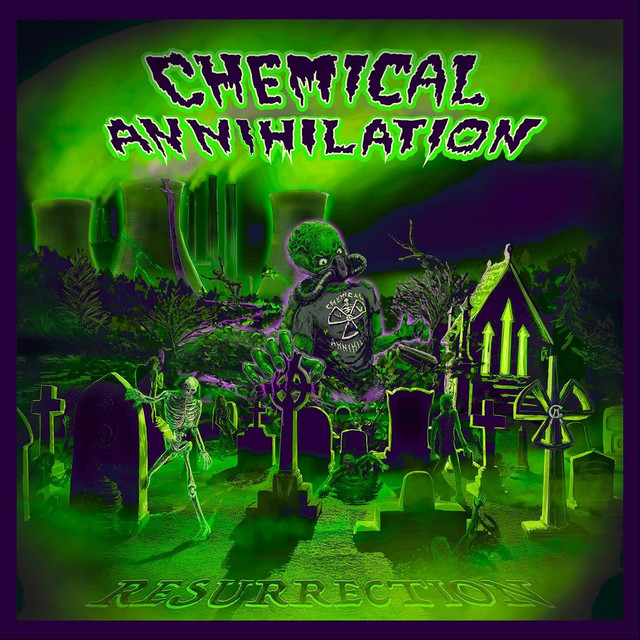
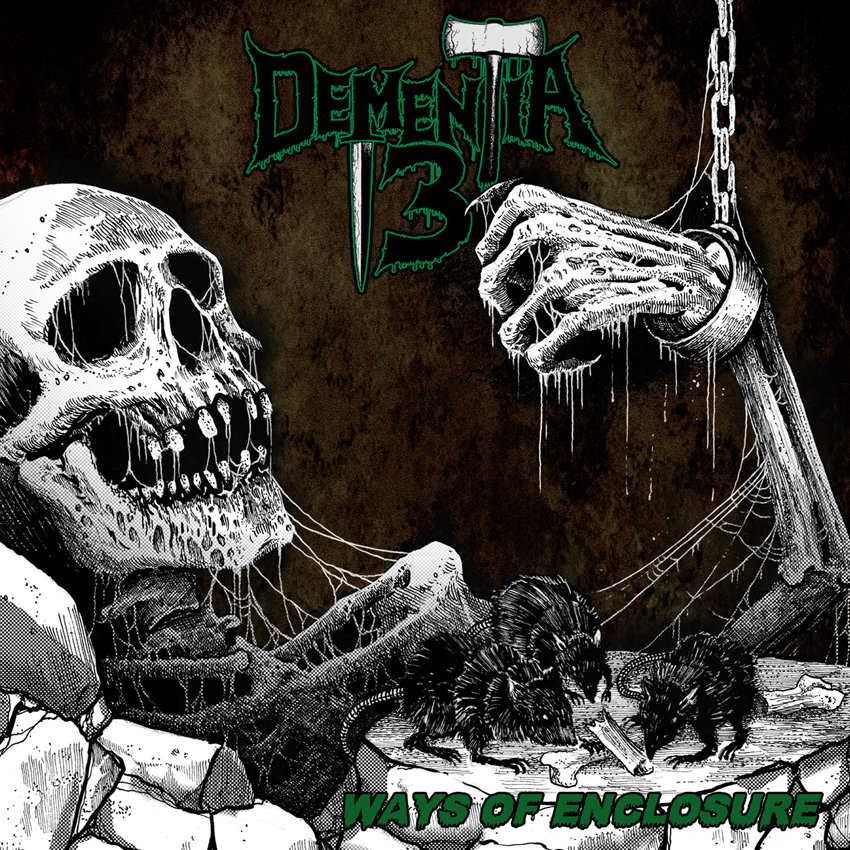
This vocal philosophy resonates throughout the American thrash scene, where acts like Chemical Annihilation and Dementia continue pushing aggressive vocal approaches in their own regional scenes. The emphasis on raw, uncompromising delivery over technical perfection speaks to thrash metal's working-class roots and rejection of overproduced aesthetics.
Hum's Atmospheric Return
Meanwhile, Illinois space rock pioneers Hum broke their five-year live performance silence with three song debuts at the Slide Away Festival, demonstrating how veteran acts can successfully navigate extended hiatuses without losing creative momentum. Their careful selection of new material for this comeback performance suggests meticulous attention to both artistic growth and fan expectations.
Hum's return carries particular significance within the broader context of American alternative metal's ongoing evolution. The band's influence on post-metal and atmospheric heavy music continues reverberating through countless underground acts, making their live return a cultural touchstone for multiple generations of musicians and fans.
The strategic nature of their comeback—debuting new songs at a curated festival rather than jumping into extensive touring—reflects the measured approach many veteran acts now take toward career longevity. This calculated re-emergence contrasts sharply with the aggressive touring schedules that dominated earlier decades of heavy music.
Nu-Metal Uncertainty and Future Planning
The ongoing uncertainty surrounding Fieldy's status with Korn adds another layer to this week's veteran band developments. His non-committal stance about potential future involvement reflects the complex dynamics that develop within long-running successful acts. The bassist's "we'll see what tomorrow brings" attitude suggests both personal and professional factors influencing his decision-making process.
This uncertainty highlights broader questions about how pioneering nu-metal acts navigate their legacy years. Korn's influence on American heavy music remains undeniable, but the band's current transitional phase reflects challenges facing many acts from their era—maintaining relevance while honoring their foundational sound.
International Collaborations and Genre Fusion
The unexpected collaboration between Finnish acts Lordi and former Battle Beast singer Noora Louhimo on a Johnny Logan cover demonstrates how established metal acts increasingly embrace cross-cultural projects. While this particular collaboration originates overseas, it represents the kind of boundary-crossing experimentation that American metal acts increasingly pursue.
Such collaborations reflect the globalization of heavy music, where geographical boundaries matter less than shared artistic vision. American bands increasingly engage in similar cross-pollination, creating opportunities for genre fusion that would have been logistically impossible in earlier decades.
The Comeback Album Cycle
Staind's completion of their ninth studio album for 2027 release represents another data point in the ongoing trend of veteran American metal acts extending their careers through strategic album releases. The band's return after a twelve-year gap with "Confessions Of The Fallen" in 2023 apparently generated sufficient momentum to justify continued recording.
This extended album cycle approach—where veteran acts space releases years apart rather than maintaining constant output—has become increasingly common among established American metal bands. It allows for more careful creative development while maintaining career sustainability without the pressure of constant touring and recording schedules that characterized earlier decades.
Festival Circuit Expansion
Milwaukee Metalfest 2026's diverse lineup announcement, featuring everything from doom pioneers to modern metalcore acts, illustrates the festival circuit's role in supporting both veteran and emerging American metal acts. The inclusion of bands like Acid Bath alongside newer acts creates intergenerational dialogue within the metal community.
These festival developments provide crucial platforms for regional bands across various subgenres. Whether we're talking about the doom metal approach of bands like Three or the post-black metal innovations of Morrow, major festivals increasingly provide opportunities for diverse metal acts to reach broader audiences.
The festival circuit's expansion also reflects changing consumption patterns within American metal, where fans increasingly prefer curated experiences over traditional touring models. This shift benefits both established acts seeking strategic performance opportunities and emerging bands needing exposure to new audiences.
Looking Forward
These recent developments collectively illustrate American metal's ongoing maturation as both an art form and an industry. The combination of veteran acts making strategic creative choices, successful comeback performances, and expanding festival opportunities suggests a scene comfortable with its own diversity and longevity.
The success of bands spanning from aggressive thrash to atmospheric post-rock indicates that American metal audiences support artistic variety rather than demanding conformity to narrow genre expectations. This openness benefits both established acts exploring new creative territory and emerging bands seeking to find their own unique voices within the broader metal ecosystem.
As these trends continue developing throughout 2026, the American metal scene appears positioned for continued growth across multiple fronts—from veteran act comebacks to festival circuit expansion to international collaboration opportunities.