Dangerous Memoirs and South American Setbacks: Legal Battles Block Rock Legends While Metal Tours Face Global Logistics Crisis
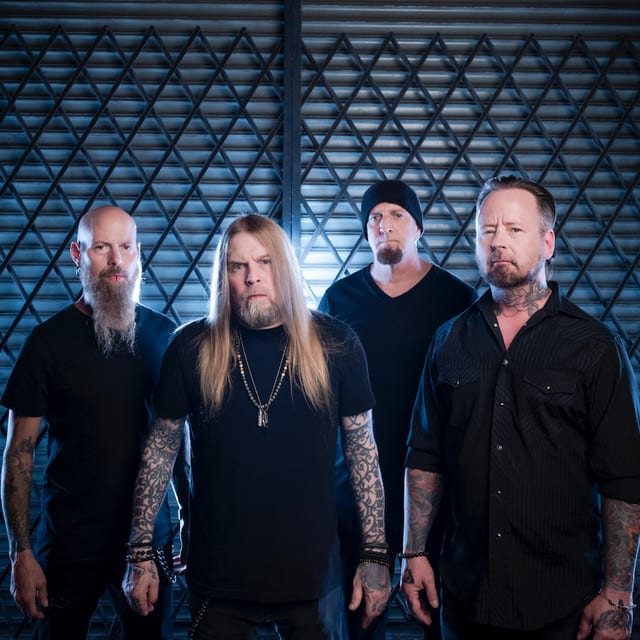
The murky intersection of rock stardom and legal liability has reared its head again, as former Queensrÿche frontman Geoff Tate reveals his completed autobiography may never see publication. Meanwhile, Drowning Pool's canceled South American tour highlights growing challenges facing American metal bands attempting to expand their global reach in an increasingly complex international touring landscape.
When Rock Memoirs Become Legal Minefields
Geoff Tate's revelation that his lawyer deems his autobiography "way too dangerous to release" opens a fascinating window into the dark underbelly of rock history that fans may never witness. The progressive metal icon, whose theatrical vocals helped define Queensrÿche's conceptual masterpieces throughout the 1980s and 1990s, apparently has stories to tell that cross legal boundaries.
This situation reflects a broader trend affecting veteran metal musicians from the genre's explosive growth periods. The best metal bands of the 1980s and 1990s witnessed industry practices, interpersonal conflicts, and behind-the-scenes chaos that would make compelling reading—if the statute of limitations and defamation laws permitted their publication. Tate's predicament suggests his experiences with one of progressive metal's most influential acts involve potentially actionable material.
The legal limbo surrounding rock memoirs has become increasingly common as veteran musicians attempt to chronicle their experiences during metal's most turbulent decades. Publishers now require extensive legal vetting for any autobiography from musicians who achieved significant success during the industry's Wild West era, when contracts were loose, behavior was largely unregulated, and documentation was sparse.
International Touring's Growing Complexity
Drowning Pool's recent explanation for their canceled South American tour—citing logistics failures rather than poor ticket sales—illuminates the mounting challenges facing American metal acts seeking international exposure. The Dallas-based band's statement that "all the logistics weren't put together for us to get there in time" reveals how complex modern international touring has become, particularly for mid-tier acts without major label backing.
The collapse of international tours due to logistical failures has increased dramatically since 2020, with visa processing delays, equipment shipping complications, and currency fluctuations creating perfect storms for tour cancellations. For bands like Drowning Pool, who built their reputation on accessible hard rock anthems in the early 2000s nu-metal wave, maintaining international presence requires navigation of bureaucratic mazes that didn't exist during their initial rise to prominence.
South American markets represent crucial territory for American metal bands seeking to expand beyond domestic audiences. The continent's passionate metal fanbase and growing festival infrastructure offer significant opportunities, but the logistical requirements—from work permits to equipment carnets—can overwhelm bands operating without major-label resources.
Legacy Acts Navigate Modern Realities
Both situations reflect how legacy acts from metal's golden eras face unique challenges in the contemporary landscape. Staind's completion of their ninth studio album for 2027 release demonstrates the opposite approach—methodical planning and controlled rollouts that prioritize stability over spontaneous creativity. The band's careful return after their twelve-year hiatus suggests lessons learned from the industry's more chaotic periods.
The contrast between Staind's measured approach and Drowning Pool's logistical struggles highlights different survival strategies for bands from the nu-metal and post-grunge eras. While Staind has embraced longer development cycles and strategic patience, other acts continue pursuing aggressive touring schedules that can backfire when international complications arise.
Breaking Benjamin frontman Benjamin Burnley's admission that he'll "take a boat" to Europe rather than fly demonstrates another adaptation strategy—veteran musicians finding creative solutions to personal limitations while maintaining professional commitments. These individual accommodations reflect the reality that many successful metal musicians now face physical or psychological challenges that require innovative approaches to sustaining their careers.
Thrash Metal's Continuing Evolution
Exodus guitarist Gary Holt's recent comments about Rob Dukes' ability to deliver "ultra-aggressive, violent thrash" better than anyone reinforces thrash metal's continuing emphasis on raw intensity over technical perfection. The Bay Area thrash legends' perspective on their lineup decisions reflects genre purists' ongoing commitment to authenticity over commercial appeal.
This approach resonates throughout the US metal scene, where bands like Ghost Walking and Espionage continue developing thrash metal's aggressive foundations without compromise. The genre's emphasis on visceral delivery over polished production has helped it maintain credibility while other metal subgenres have embraced digital enhancement and studio trickery.
Festival Landscapes and Venue Infrastructure
Milwaukee Metalfest's stacked 2026 lineup featuring Acid Bath, Killswitch Engage, Ministry, and Suicidal Tendencies represents the festival model's continued dominance in metal touring economics. The multi-genre approach—spanning death metal pioneers, metalcore innovators, industrial legends, and crossover thrash icons—reflects successful festivals' strategy of appealing to multiple metal demographics simultaneously.
Meanwhile, Brooklyn Storehouse's closure eliminates another crucial venue from the Northeast corridor's live music infrastructure. The facility's conversion to "climate infrastructure and clean energy production" reflects broader urban development pressures that continue shrinking available performance spaces for emerging bands. This infrastructure loss particularly impacts new metal bands 2026 hopefuls who rely on smaller venues for developing their live performance skills and building regional followings.
Documentary Disputes and Historical Preservation
The ongoing conflict over Matt Zane's Wayne Static documentary highlights tensions between artistic legacy preservation and estate control. Static-X's apparent opposition to the unauthorized documentary reflects broader disputes about who controls deceased musicians' narratives and how their stories should be told.
These conflicts have become increasingly common as metal's first generation of stars passes away, leaving behind complex webs of personal relationships, business partnerships, and creative collaborations that resist simple historical narratives. The struggle over Static's story reflects similar disputes surrounding other deceased metal icons, where official estates clash with independent filmmakers and former collaborators over authentic representation.
Looking Forward: Adaptation and Survival
The current landscape requires metal bands to balance artistic integrity with practical considerations that previous generations could ignore. International touring demands extensive advance planning and legal preparation. Publishing deals require careful legal vetting. Documentary projects face estate challenges and rights disputes.
Yet American metal continues adapting and thriving. Veterans like Mats Levén performing entire albums in intimate Japanese venues demonstrate how experienced musicians find new ways to connect with devoted audiences. The celebration of specific albums and eras allows both artists and fans to revisit peak creative moments while acknowledging the practical limitations of full-scale reunion tours.
The scene's resilience shows in its ability to accommodate different approaches—from Geoff Tate's potentially unpublishable memoir to Staind's carefully planned comeback, from Drowning Pool's logistical struggles to Milwaukee Metalfest's ambitious programming. Each represents different aspects of metal's ongoing evolution as both an artistic movement and a practical industry.
As metal bands touring 2026 navigate increasingly complex international requirements and legal landscapes, the successful acts will be those that combine the genre's traditional rebellious spirit with sophisticated business planning. The romantic ideal of the touring metal band living on the edge has given way to a more professional reality—one that still delivers crushing performances but requires careful preparation behind the scenes.