Hardcore Foundations and Swedish Supergroups: MADBALL Returns While Amon Amarth Veterans Forge New Path
The American hardcore scene finds itself at a fascinating crossroads as veteran New York stalwarts MADBALL prepare to unleash their tenth studio album "Not Your Kingdom" while Swedish death metal giants spawn new projects featuring former members. This convergence of hardcore persistence and melodic death metal evolution highlights the enduring power of musical authenticity in an increasingly fragmented heavy music landscape.
MADBALL's upcoming release represents more than just another album drop—it symbolizes the unbreakable thread connecting New York's original hardcore scene to today's diverse extreme music ecosystem. As one of the few remaining acts capable of bridging old-school hardcore with contemporary heavy music trends, their "Rebel Kids" single demonstrates why the band remains relevant decades after their formation. The track showcases the band's ability to maintain their foundational aggression while incorporating modern production techniques that appeal to younger audiences without sacrificing their core identity.
The Swedish Connection: Death Metal Veterans Chart New Territory
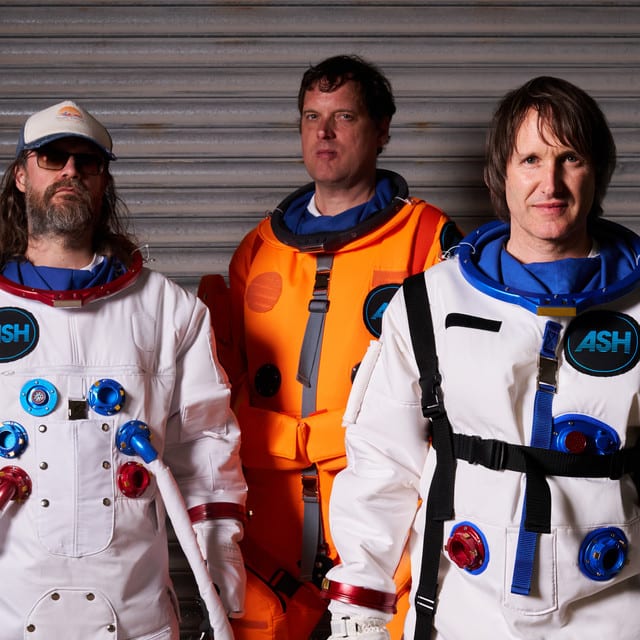
While MADBALL reinforces hardcore's American roots, the formation of FIMBUL WINTER by three former AMON AMARTH members illustrates how established musicians continue seeking creative outlets beyond their original projects. Their "Crowned In Ash" single reveals a band determined to honor death metal traditions while exploring atmospheric territories that differ from their previous work. This approach mirrors trends seen across American metal, where veteran musicians increasingly launch side projects to explore creative avenues their main bands cannot accommodate.
The timing of FIMBUL WINTER's emergence alongside MADBALL's new material creates an interesting parallel between Swedish melodic death metal craftsmanship and American hardcore directness. Both approaches represent authentic expressions of their respective scenes' values—technical proficiency and atmospheric depth versus raw emotion and street-level authenticity.
Legacy Management and Creative Integrity
The ongoing debate surrounding METALLICA's "...And Justice For All" album adds another layer to current discussions about preserving versus updating classic metal recordings. Former bassist Jason Newsted's opposition to officially remixing the album for its upcoming 40th anniversary reflects broader tensions within American metal about respecting historical recordings versus satisfying modern listening expectations.
This philosophy extends beyond major label releases to underground scenes where bands like Suffering maintain their brutal approach across multiple extreme metal subgenres without compromise. The American extreme metal underground has always valued authenticity over commercial polish, making Newsted's stance particularly resonant among musicians who prioritize artistic integrity over technical perfection.
The contrast becomes stark when considering how different generations approach recording and presentation. While newer bands often embrace digital enhancement and frequent remixing, veterans like Newsted argue that original recordings capture specific moments in time that should remain unchanged. This generational divide affects how American metal bands approach both new releases and catalog management.
Compassion in Heavy Music: Beyond the Aggression
GEEZER BUTLER's involvement in animal welfare causes demonstrates another facet of metal musicians' engagement with social issues. His support for rehoming laboratory beagles in Wisconsin showcases how metal artists increasingly use their platforms for advocacy beyond traditional music industry concerns. This activism tradition runs deep in American metal, from early political hardcore to modern bands addressing environmental and social justice issues.
The intersection of heavy music and compassionate activism challenges stereotypes about metal musicians and their audiences. Butler's statement that "we can pursue better science without animal suffering" resonates with younger metal fans who expect their favorite artists to engage meaningfully with contemporary issues. This expectation has shaped how emerging American bands approach their public personas and causes they choose to support.
Album Art and Visual Legacy
The release of "...And Justice For Art: Stories About Heavy Metal Album Covers - Ultimate Edition" arrives at a crucial moment when visual presentation remains vital to metal identity despite streaming dominance. The 372-page tome featuring over 700 graphics and 120 exclusive interviews represents the kind of deep cultural documentation that American metal has long needed but rarely received.
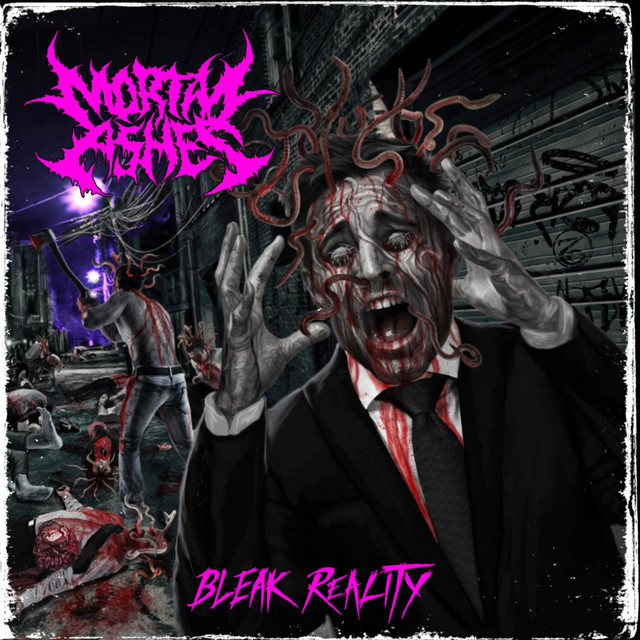
Album artwork continues defining band identities and genre aesthetics, particularly for American acts operating in crowded subgenres. Death metal bands like Mortal Ashes and Garotte understand that striking visual presentation helps distinguish their music in oversaturated markets. The technical death metal scene especially relies on sophisticated artwork to communicate the complexity and precision of the music within.
The Cinematic Approach: Earthside and Atmospheric Innovation
EARTHSIDE's new single "A Dying Star" represents the kind of cinematic approach that's gaining traction among American progressive and atmospheric metal acts. Their visual-first methodology, where powerful feelings become music enhanced by thought-provoking titles, reflects how modern bands approach composition in an increasingly multimedia landscape.
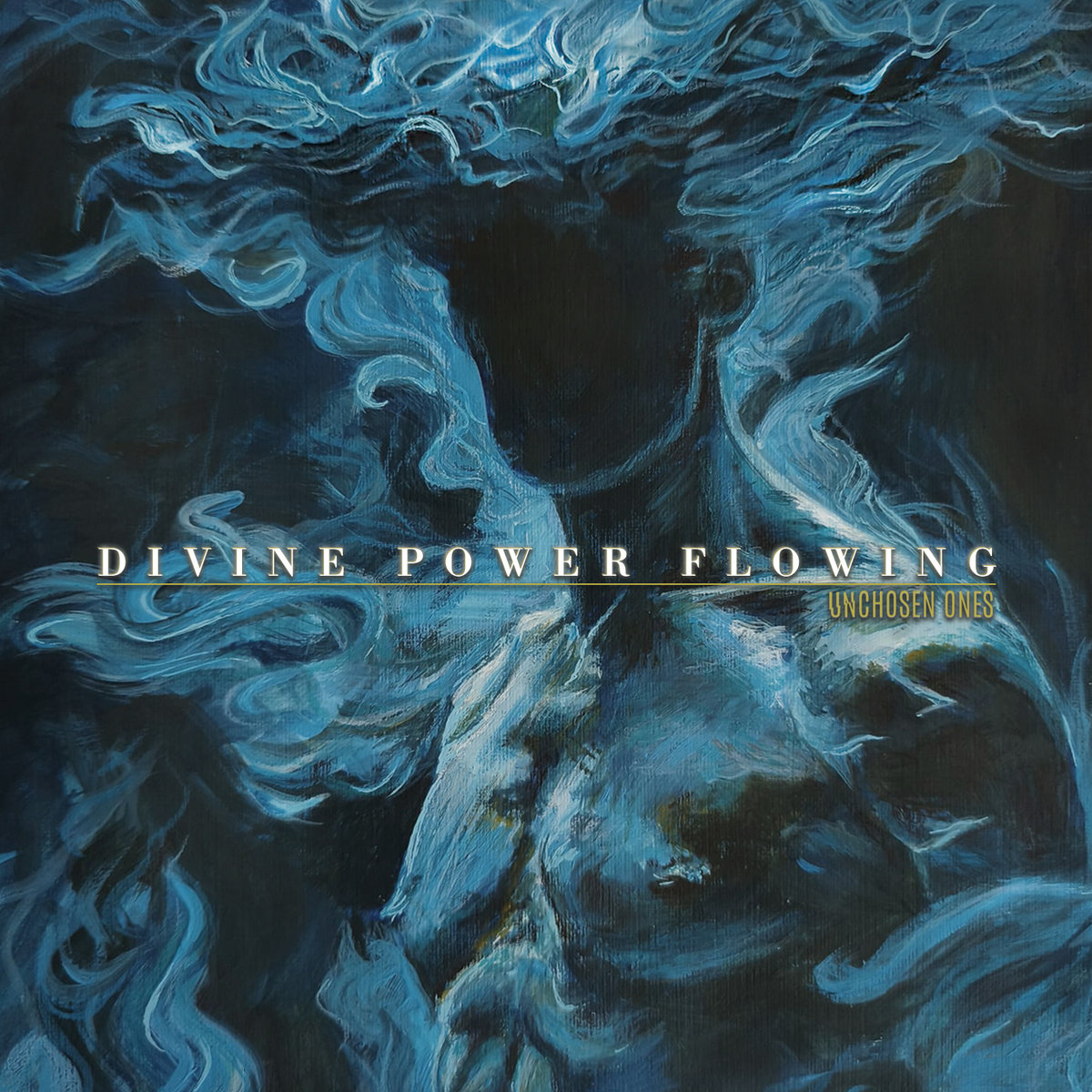
This cinematic approach influences American progressive metal bands like Cosmic Sea and Unchosen, who understand that modern audiences expect sophisticated sonic landscapes that complement visual elements. The integration of atmospheric elements into traditionally heavy genres creates new possibilities for American bands seeking to differentiate themselves from purely aggressive approaches.
Health, Age, and Musical Longevity
BLUE ÖYSTER CULT's Eric Bloom requiring surgery highlights the physical realities facing aging metal musicians and their audiences. At 81, Bloom's continued touring schedule until medical necessity intervened demonstrates the dedication level expected from veteran performers. His situation reflects broader questions about how long metal musicians can maintain demanding tour schedules and what happens when health issues force difficult decisions.
American metal scenes benefit enormously from veteran performers who continue touring and recording well into their later years. These musicians provide crucial mentorship for younger acts while maintaining connections to metal's historical development. The potential loss of these figures through health issues or retirement represents significant cultural shifts for regional scenes that rely on their wisdom and draw power.
Technology and Organic Creation
ARMORED SAINT's John Bush recently emphasized the importance of allowing music to "breathe" without excessive technological interference during the writing process. This philosophy reflects growing tension within American metal between digital convenience and organic creativity. Bush's approach resonates with musicians who believe that over-reliance on technology can sterile the spontaneous magic that makes great metal recordings memorable.
The balance between technological sophistication and organic creation affects American metal at every level, from bedroom black metal projects to major label productions. Bands across genres struggle with how much digital assistance to accept without losing the human elements that make heavy music emotionally compelling. This ongoing debate shapes how new generations of American metal musicians approach their craft and develop their unique sounds.
As 2026 unfolds, these converging trends—hardcore persistence, Swedish innovation, legacy preservation, social activism, visual sophistication, health challenges, and technological balance—create a complex landscape for American heavy music. The scene's continued vitality depends on successfully navigating these various pressures while maintaining the authentic expression that defines great metal across all its subgenres.