Sphere Residencies and Retro Revivals: Las Vegas Venue Transforms Metal Performance While Legends Return to Their Roots
The intersection of cutting-edge technology and nostalgic authenticity is defining American metal's current trajectory, as Metallica's upcoming Las Vegas Sphere residency represents the genre's most ambitious technological leap while veteran acts simultaneously embrace stripped-down approaches that harken back to metal's foundational decades.
The Sphere Effect: Redefining Heavy Metal Performance
Las Vegas has become an unlikely epicenter for metal innovation, with Metallica's planned Sphere residency pushing the boundaries of what constitutes a live metal experience. The venue's revolutionary 360-degree LED display and spatial audio system promise to transform how audiences experience heavy music, creating an immersive environment that could fundamentally alter concert expectations across the genre.
Jason Newsted's endorsement of his former bandmates' technological adventure signals broader industry acceptance of these experimental approaches. His perspective carries particular weight given his history with the band during their most commercially successful period, and his enthusiasm suggests that even metal purists recognize the artistic potential of such technological integration.
The implications extend far beyond a single band's residency. If successful, the Sphere format could inspire similar ventures from other major acts, potentially establishing Las Vegas as a permanent destination for premium metal experiences. This would represent a significant shift from traditional touring models, offering artists stable revenue streams while providing fans with unprecedented audiovisual spectacles.
Classic Rock Veterans Embrace Traditional Formulas
While some acts pursue technological frontiers, established legends are doubling down on time-tested approaches. Deep Purple's forthcoming album "Splat!" and their recent single "Arrogant Boy" demonstrate that veteran acts can still generate significant buzz through straightforward rock craftsmanship, proving that innovation doesn't always require technological enhancement.
This traditional approach resonates particularly strongly in the current metal landscape, where authenticity carries premium value. Deep Purple's sustained relevance after decades of recording illustrates how best metal bands maintain their status through consistent quality rather than constant reinvention. Their work continues influencing younger generations of musicians who study these foundational approaches to songwriting and arrangement.
The contrast between Deep Purple's classical methodology and Metallica's technological experimentation represents the full spectrum of possibilities available to modern metal acts. Both approaches serve distinct audiences while contributing to the genre's overall health and diversity.
Breaking Benjamin's Atmospheric Evolution
Breaking Benjamin's new single "Something Wicked" exemplifies how American metal bands navigate between commercial accessibility and artistic depth. Their signature atmospheric tension continues evolving while maintaining the core elements that established their fanbase, demonstrating how successful acts balance innovation with consistency.
The band's approach to building anticipation for their upcoming full-length release reflects sophisticated understanding of modern music marketing. Rather than overwhelming audiences with information, they're allowing individual tracks to develop their own identity while contributing to a larger narrative arc. This strategy has become increasingly common among established acts who understand the value of sustained engagement over quick bursts of attention.
Breaking Benjamin's evolution also illustrates how American metal bands adapt to changing industry dynamics while preserving their essential character. Their ability to maintain relevance across multiple decades positions them among the best metal albums of all time creators, with each release building upon their established foundation while exploring new sonic territories.
Collaborative Cross-Pollination
The metal scene's collaborative spirit continues driving creative innovation, as evidenced by various guest appearances and unexpected partnerships emerging across the genre. These collaborations often produce the most interesting results when they bring together artists from different backgrounds or generations, creating musical conversations that wouldn't otherwise exist.
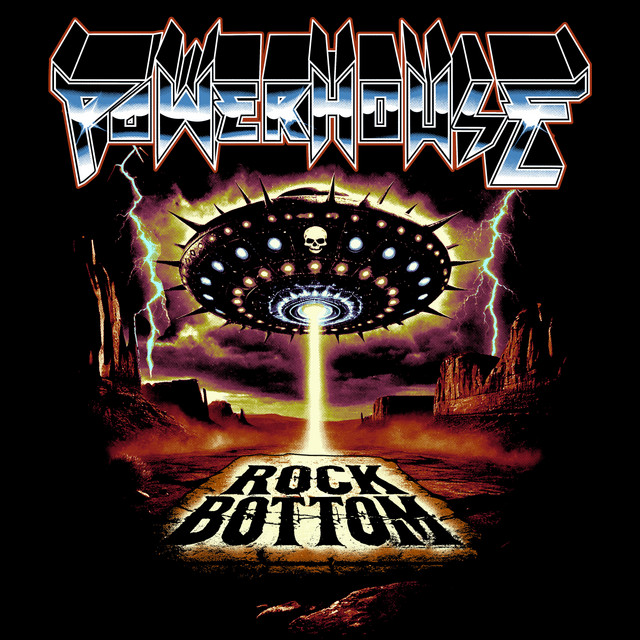
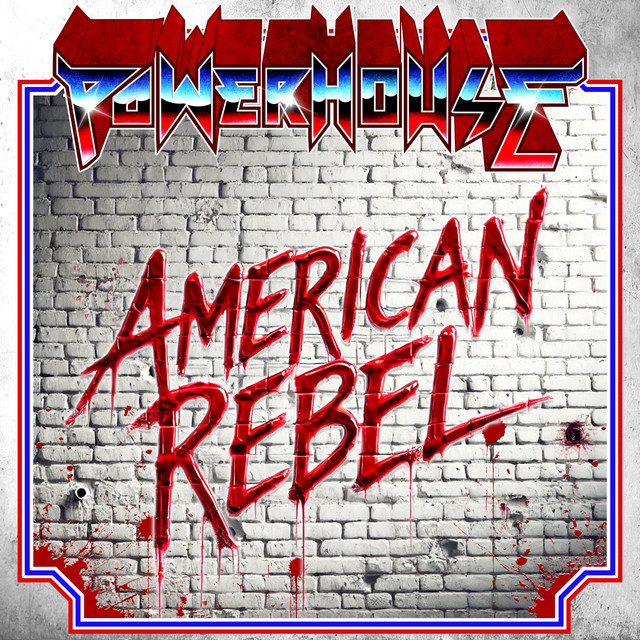
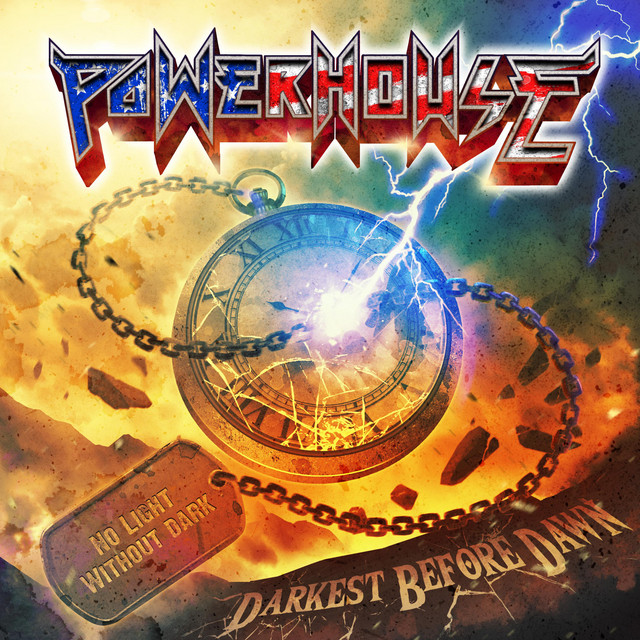
Local American acts are particularly well-positioned to benefit from these collaborative trends. Bands like Powerhouse, with their thrash metal foundation, represent the kind of authentic American metal that often attracts guest musicians seeking genuine heavy music experiences. The genre's collaborative nature means that today's local acts could become tomorrow's featured artists on major releases.
Cross-genre pollination has become especially prominent in the US metal scene, where geographic proximity and shared touring circuits naturally facilitate these partnerships. The results often produce some of the most memorable tracks in artists' catalogs, as the creative friction between different approaches generates unexpected sonic possibilities.
Anniversary Tours and Nostalgic Celebrations
The current wave of anniversary celebrations reflects both the genre's maturity and its audience's desire for nostalgic experiences. Mötley Crüe's "Crücial Crüe 1981-1989" limited-edition release coincides with their extensive touring plans, demonstrating how veteran acts leverage their historical significance for contemporary commercial success.
These anniversary projects serve multiple functions beyond simple nostalgia. They introduce classic material to younger audiences while satisfying longtime fans' desire for comprehensive documentation of their favorite artists' peak periods. The limited-edition format creates urgency and exclusivity that drives both immediate sales and long-term collectible value.
The trend also reflects how 80s metal bands continue influencing contemporary artists and audiences. By celebrating their foundational work, these acts remind newer generations of metal's historical depth while demonstrating the enduring power of well-crafted heavy music. This historical awareness enriches the entire genre by providing context for current developments.
Black Veil Brides' Extended Campaign Strategy
Black Veil Brides' announcement of a second North American tour leg demonstrates sophisticated campaign planning that maximizes album promotion cycles. Their "Vindicatour" expansion reflects growing confidence in their ability to sustain audience interest across extended periods, a crucial skill for modern touring acts.
The band's approach to tour announcement timing—revealing additional dates shortly after their album release—creates multiple news cycles while maintaining promotional momentum. This strategy has become increasingly important as attention spans fragment and competition for audience mindshare intensifies across all entertainment sectors.
Their success with this extended campaign model could influence how other acts structure their promotional strategies, particularly among new metal bands 2026 who are still developing their marketing approaches. Learning from established acts' successful campaigns provides valuable roadmaps for emerging artists navigating complex promotional landscapes.
Industry Evolution and Future Directions
The current metal landscape reveals an industry in transition, balancing technological innovation with traditional values while accommodating diverse audience preferences. The success of both high-tech spectacles and stripped-down authenticity suggests that the genre has room for multiple approaches to coexist and thrive.
Regional scenes continue playing crucial roles in this evolution, providing testing grounds for new ideas while maintaining connections to metal's grassroots origins. The continued vitality of local metal communities ensures that the genre remains grounded in genuine passion rather than purely commercial considerations.
As metal bands touring 2026 develop their plans, they'll likely draw inspiration from both the technological ambition of acts like Metallica and the traditional craftsmanship of groups like Deep Purple. The most successful artists will find ways to honor metal's heritage while embracing innovations that enhance rather than replace the genre's essential power and authenticity.
The ongoing health of American metal depends on this balance between respect for tradition and openness to evolution, ensuring that the genre continues attracting new participants while satisfying longtime devotees who have supported it through multiple decades of cultural change.