Cinematic Theatrics and Genre Purism: Black Veil Brides Expand Theater Tour While Traditional Metal Legends Continue Classic Formulas
The American metal landscape finds itself navigating a fascinating tension between theatrical innovation and traditional craftsmanship this week, as Black Veil Brides extends their ambitious "Vindicatour" concept while veteran acts like Deep Purple and Armored Saint demonstrate that classic formulas still resonate in 2025.
Theatrical Metal's Extended Run
Black Veil Brides' announcement of a second North American leg for their "Vindicatour" represents more than just additional tour dates—it signals the continued viability of theatrical metal in an increasingly diverse heavy music ecosystem. The band's decision to extend their tour concept, coinciding with the release of their seventh studio album "Vindicate," demonstrates confidence in their cinematic approach to heavy music performance.
This expansion into August and September 2026 suggests strong ticket sales and fan engagement for the initial leg, reinforcing that American audiences still crave the spectacle and narrative elements that Black Veil Brides have championed throughout their career. The theatrical metal tradition, which encompasses everything from Alice Cooper's shock rock to King Diamond's horror narratives, continues to find purchase in a scene often dominated by technical prowess and underground authenticity.
The extended tour timeline also highlights the long-term planning required for modern metal touring. With venues booking further in advance and production costs rising, bands must commit to extensive promotional cycles that can span multiple years. This approach contrasts sharply with the more immediate, grassroots touring strategies employed by underground acts across various extreme metal subgenres.
Traditional Metal's Enduring Appeal
Meanwhile, Deep Purple's release of "Arrogant Boy," the lead single from their upcoming "Splat!" album, reinforces the enduring power of classic metal songwriting. With over 120 million albums sold since 1968, the British legends continue to command attention in the American market, demonstrating that fundamental heavy rock principles transcend generational shifts and genre evolution.
The timing of Deep Purple's new material alongside the theatrical expansiveness of acts like Black Veil Brides creates an interesting dialogue within American metal consumption. Fans seeking both nostalgic comfort and contemporary spectacle can find satisfaction across different ends of the heavy music spectrum, suggesting a mature marketplace that supports diverse artistic approaches.
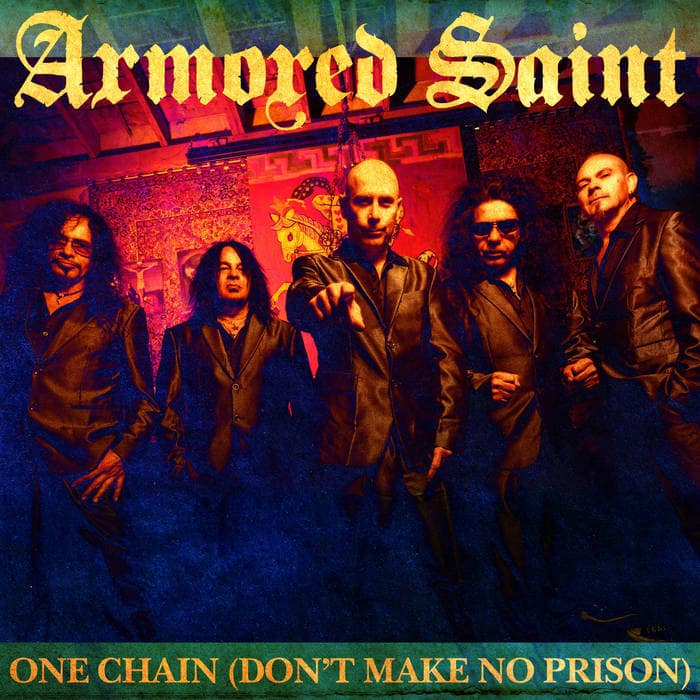
This dynamic particularly resonates when considering American heavy metal's historical relationship with British influence. Bands like Armored Saint emerged in the 1980s partially as a response to European metal, developing distinctly American interpretations of heavy metal traditions. John Bush's recent comments about Armored Saint's writing process remaining consistent with their 1980s approach suggests that some foundational elements of American metal identity continue to resist contemporary pressures for constant reinvention.
Underground Collaboration Networks
The collaboration between Taproot's Stephen Richards and Servants Of Sleep on "Outweighing Evil" represents another crucial trend in contemporary American metal: cross-project pollination among established musicians. This type of creative networking demonstrates how veteran performers continue to explore new artistic territories while maintaining their primary band commitments.
Such collaborations serve multiple functions within the broader metal ecosystem. They allow musicians to experiment with different sounds without compromising their main projects' established identities, create opportunities for fan base crossover, and maintain creative momentum during gaps in primary band activity. The prevalence of these side projects and guest appearances suggests a more collaborative approach to metal creativity than the traditionally competitive band-versus-band mentality of earlier eras.
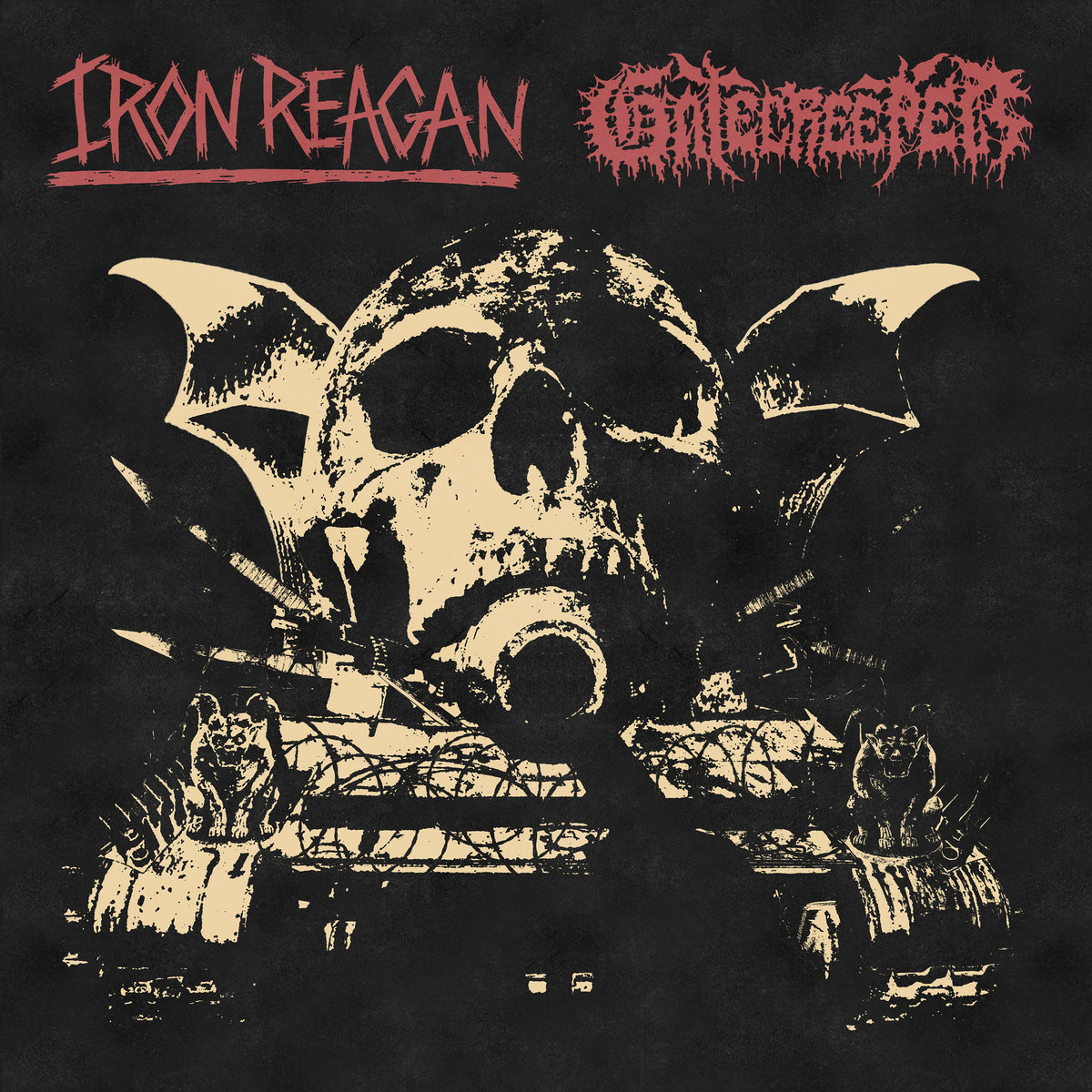
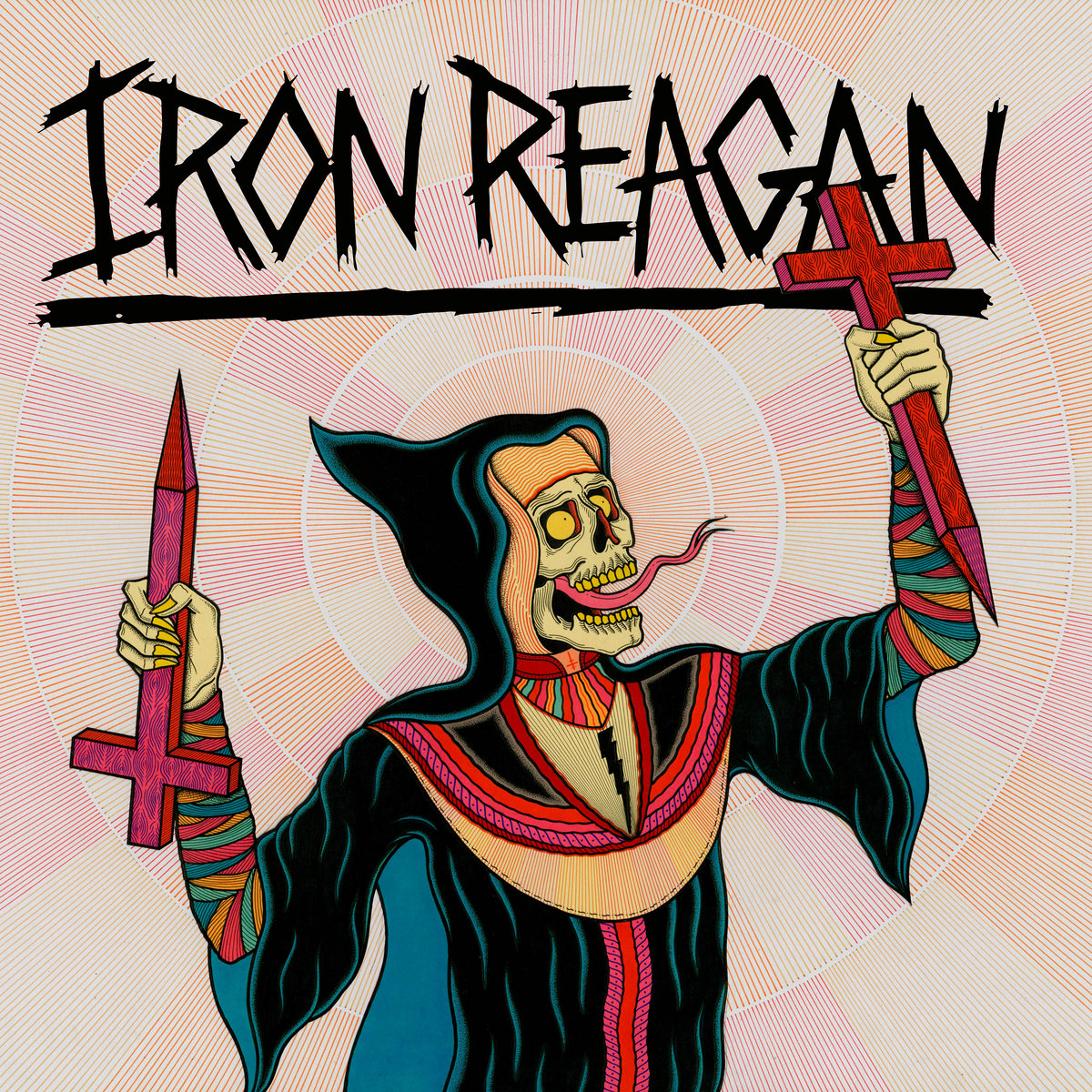
This collaborative spirit extends to various subgenres within American metal. Crossover thrash acts like Iron Reagan have built entire careers around bringing together musicians from different bands and scenes, while progressive metal groups often feature guest musicians who add specific technical expertise to complex compositions.
Experimental Boundaries
Show Me The Body's upcoming "Alone Together" album, preceded by their "No God" video, represents the continued expansion of metal's definitional boundaries. The band's approach incorporates elements that challenge traditional metal categorization, reflecting broader trends toward genre hybridization that have characterized American heavy music for the past decade.
This experimental approach creates both opportunities and challenges for the American metal scene. While genre-blending allows for creative innovation and potential mainstream crossover, it also raises questions about metal identity and community cohesion. Bands operating at these boundaries often struggle with classification and marketing, though they may ultimately contribute to metal's long-term evolution and cultural relevance.
The experimental tendencies visible in contemporary American metal connect to broader cultural shifts toward genre fluidity and artistic boundary-crossing. Younger metal musicians often approach their craft with less concern for genre purity than previous generations, leading to innovations that might not have emerged from more traditional metal contexts.
Veteran Wisdom and Modern Challenges
Geoff Tate's recent comments about phone usage during concerts highlight ongoing tensions between traditional live music experiences and contemporary digital culture. His advocacy for full audience immersion in live performances reflects broader concerns among metal veterans about maintaining the authentic community experience that has historically defined metal culture.
This generational tension appears across multiple aspects of contemporary metal culture. While veteran musicians often emphasize the importance of live performance authenticity and community building, younger audiences may approach metal consumption differently, integrating digital sharing and documentation into their concert experience. The challenge for the broader metal community lies in accommodating these different approaches without losing essential elements of metal's cultural identity.
The phone-at-concerts debate also reflects larger questions about metal's relationship with technology and social media. While digital platforms provide unprecedented opportunities for band promotion and fan engagement, they may simultaneously undermine the immediate, physical experience that many consider central to metal's appeal.
Regional Scene Implications
These national trends create specific implications for regional American metal scenes. Local bands must navigate between theatrical ambition and authentic underground credibility, often with limited resources for elaborate stage productions. The success of theatrical acts like Black Veil Brides may inspire local performers to incorporate more visual elements into their shows, though budget constraints require creative adaptation of these concepts.
Regional festivals and venues also face decisions about programming balance. The continued appeal of veteran acts like Deep Purple alongside contemporary theatrical metal suggests that successful events must cater to multiple audience segments with varying expectations for performance style and musical approach.
The collaborative networks demonstrated by projects like the Taproot/Servants Of Sleep partnership may be particularly valuable for regional scenes, where musicians often wear multiple creative hats and participate in various projects to maintain artistic momentum and financial sustainability.
As American metal continues evolving through these various tensions and opportunities, the most successful artists and scenes will likely be those that can balance innovation with tradition, spectacle with authenticity, and individual artistic vision with community engagement. The current landscape suggests a metal culture mature enough to support diverse approaches while maintaining the fundamental energy and community spirit that have defined the genre throughout its evolution.
Looking toward the remainder of 2025 and into 2026, these trends suggest an American metal scene characterized by both theatrical ambition and underground authenticity, where veteran wisdom coexists with experimental innovation, creating opportunities for artists across the entire heavy music spectrum.