Anniversary Celebrations and Artificial Intelligence Debates: Post-Hardcore Veterans Launch Victory Laps While Megadeth Bassist Champions Human Heart Over Digital Art

The American metal and hardcore scenes are witnessing a fascinating convergence of nostalgic celebration and technological skepticism as established acts embrace their legacies while questioning the future of music creation itself.
Post-Hardcore Nostalgia Fuels Major Anniversary Tours
Saosin has announced an extensive 20th anniversary tour celebrating their influential debut album, bringing together a powerhouse lineup that showcases the evolution of American post-hardcore and metalcore. The tour features Silent Planet, Like Moths to Flames, and Save Us as supporting acts, creating a multi-generational showcase of heavy music that emerged from the post-hardcore movement.
This anniversary celebration represents more than simple nostalgia—it's a testament to the lasting impact of mid-2000s post-hardcore on the broader American metal landscape. Saosin's debut helped define the melodic intensity that would influence countless Crown the Empire and similar metalcore acts that followed, establishing vocal dynamics and emotional urgency that remain central to modern heavy music.
The supporting lineup demonstrates how post-hardcore's influence has spread across multiple subgenres. Silent Planet brings progressive metalcore sophistication, while Like Moths to Flames represents the more aggressive side of modern metalcore evolution. This tour configuration mirrors how anniversary celebrations have become opportunities to showcase genre evolution rather than simple backward-looking exercises.
Classic Metal Veterans Navigate Changing Landscapes
While younger acts celebrate recent milestones, classic metal veterans are making their own statements about legacy and continuation. Alice Cooper has announced reissues of "Along Came A Spider" and "Welcome 2 My Nightmare" with bonus material, demonstrating how theatrical metal pioneers continue expanding their catalogs decades after establishing their reputations.
These reissues represent a broader trend in American metal where veteran acts use expanded editions to provide context and depth to their established works. Rather than simply repackaging existing material, these releases often include previously unreleased tracks, alternate versions, and behind-the-scenes content that offers new perspectives on familiar songs.
The reissue strategy has become particularly important for acts from the 80s metal bands era, allowing artists to maintain relevance while introducing their work to younger audiences who may have missed the original releases. This approach creates revenue streams while preserving musical history—a crucial consideration as streaming services have fundamentally altered how fans discover and consume music.
Supergroup Formations and Classic Rock Crossovers
The formation of ICONIC, featuring Michael Sweet of Stryper alongside Whitesnake veterans Joel Hoekstra and Marco Mendoza, plus legendary drummer Tommy Aldridge, demonstrates how American metal continues fostering collaboration between established musicians. Their new single "Tears Keep On Falling" showcases the kind of high-level musicianship that emerges when veterans combine their decades of experience.
These supergroup formations serve multiple purposes within the American metal ecosystem. They allow established musicians to explore creative directions that might not fit their primary bands, while giving fans opportunities to hear familiar voices in new contexts. The combination of Sweet's melodic sensibilities with Whitesnake's blues-rock foundation creates hybrid sounds that bridge different metal subgenres.
Meanwhile, festival programming continues expanding metal's reach into broader musical contexts. The Ohana Festival's tenth-anniversary lineup includes Pearl Jam and Eddie Vedder alongside Bad Religion and Billy Idol, demonstrating how alternative rock festivals increasingly embrace metal and punk acts. This programming strategy reflects metal's growing acceptance in mainstream festival contexts, moving beyond dedicated metal festivals to reach wider audiences.
The Artificial Intelligence Controversy: Humanity vs. Technology
Perhaps the most significant philosophical debate emerging in modern metal comes from David Ellefson's recent comments about artificial intelligence in music creation. The former Megadeth bassist's statement that "things created on a computer don't have emotion" and "may be smart, but they don't have heart" reflects growing concerns among musicians about technology's role in artistic creation.
Ellefson's position represents more than simple technophobia—it speaks to fundamental questions about what makes music meaningful and authentic. His criticism that AI is "not that intelligent, and it's artificial" highlights the disconnect between technical capability and emotional authenticity that many musicians consider essential to their craft.
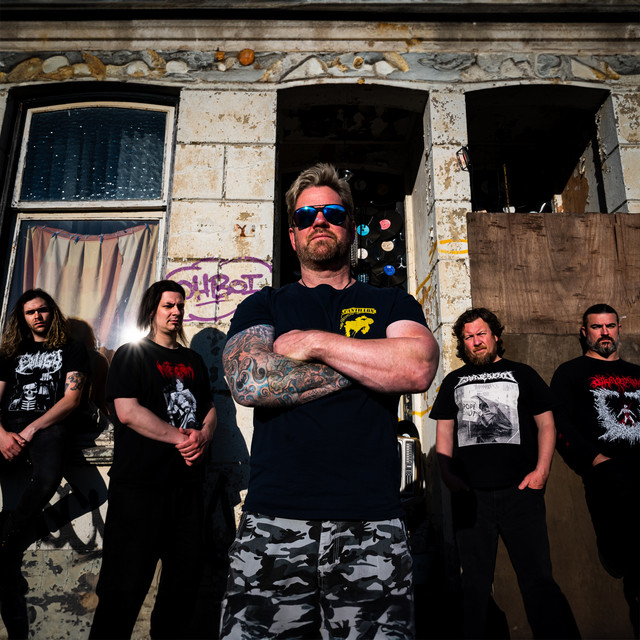
This debate has particular relevance for extreme metal genres where technical proficiency and emotional intensity must balance carefully. Death metal acts like Spite and Pig Destroyer rely on both technical precision and raw emotional power—qualities that raise questions about whether artificial intelligence can replicate the human experiences that drive extreme musical expression.
The AI discussion also intersects with broader concerns about music industry economics. If artificial intelligence can generate music quickly and cheaply, what happens to the livelihoods of professional musicians who spend years developing their craft? These questions become particularly acute for underground metal scenes where musicians already face significant financial challenges.
Regional Scene Development and Tour Announcements
Beyond the major announcements, smaller regional developments continue shaping American metal's grassroots foundation. Maylene And The Sons Of Disaster's upcoming five-date tour with Atomic Rule, Across Five Aprils, and New Rituals represents the kind of mid-level touring that sustains regional scenes and provides opportunities for newer acts to gain exposure.
These smaller tours often prove more important for long-term scene development than major arena shows. They create sustainable touring networks that allow bands to build audiences gradually while keeping ticket prices accessible for younger fans. The combination of established acts like Maylene And The Sons Of Disaster with newer performers helps bridge generational gaps within regional scenes.
Vocalist Changes and Band Evolution
Saliva's Bobby Amaru has reflected on the challenges of replacing original frontmen, acknowledging that "anytime you replace a singer, there's always gonna be doubters or haters." His perspective on this transition, fifteen years after joining the band, offers insights into how groups navigate major personnel changes while maintaining their identity.
Vocalist changes represent some of the most challenging transitions in metal and hard rock, as singers often become the primary face and voice of their bands. Amaru's experience demonstrates how replacement members must balance honoring established material with bringing their own interpretation to the role. His description of the situation as "a blessing and a curse" captures the complex dynamics involved in these transitions.
These personnel changes often test band loyalty among fans, particularly when original members leave due to personal or creative differences. However, successful transitions can also reinvigorate bands creatively, bringing new energy and perspectives that allow established acts to continue evolving.
Looking Forward: Metal's Evolving Identity
The current landscape of American metal reveals a scene simultaneously looking backward and forward. Anniversary tours celebrate established legacies while new technologies raise questions about future creative processes. Veteran musicians form new collaborations while questioning artificial intelligence's role in music creation.
This tension between tradition and innovation has always defined metal's evolution, from the genre's blues rock origins through thrash, death, and black metal developments. Today's debates about AI and authenticity continue this pattern, with musicians like Ellefson defending human creativity against technological encroachment.
The best metal bands have always balanced technical innovation with emotional authenticity, whether that's the progressive complexity of acts like Periphery or the raw power of crossover thrash pioneers. As the scene continues evolving, maintaining this balance between advancement and humanity may determine which approaches prove lasting versus merely trendy.
As these various developments unfold throughout 2025, American metal continues demonstrating its capacity for both preservation and innovation, ensuring that the genre's future remains as unpredictable and vital as its storied past.