Lineup Transformations and Creative Departures: Major Acts Navigate Personnel Changes While Veterans Push Studio Boundaries
The American metal landscape finds itself in a fascinating period of transition, where established acts are making bold personnel decisions while veteran musicians push their creative boundaries in unexpected directions. Recent developments showcase how the scene continues to evolve through both calculated risks and necessary adaptations.
The Alissa White-Gluz Effect: Multi-Band Commitments in Modern Metal
Perhaps the most intriguing development involves Alissa White-Gluz's expanding role across multiple metal projects. Following her debut as DragonForce's new vocalist, she's simultaneously launching Blue Medusa, marking a rare instance of a frontperson juggling two major commitments. This week's premiere of their "Flying Monkey" video represents more than just another music video release—it signals a new model for how established vocalists can diversify their artistic portfolios.
This dual-band approach reflects broader changes in how best metal bands operate in 2024. The traditional model of exclusive band membership increasingly gives way to collaborative networks where musicians contribute to multiple projects. For American acts watching these developments, White-Gluz's approach offers a template for expanding creative horizons without abandoning existing commitments.
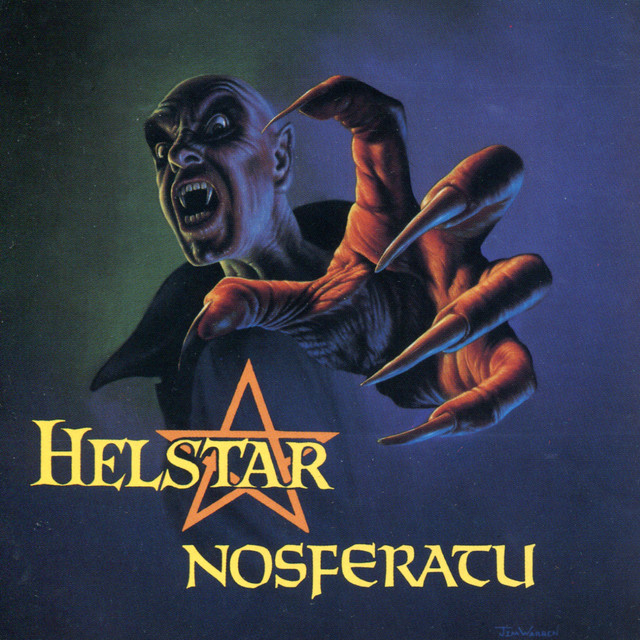
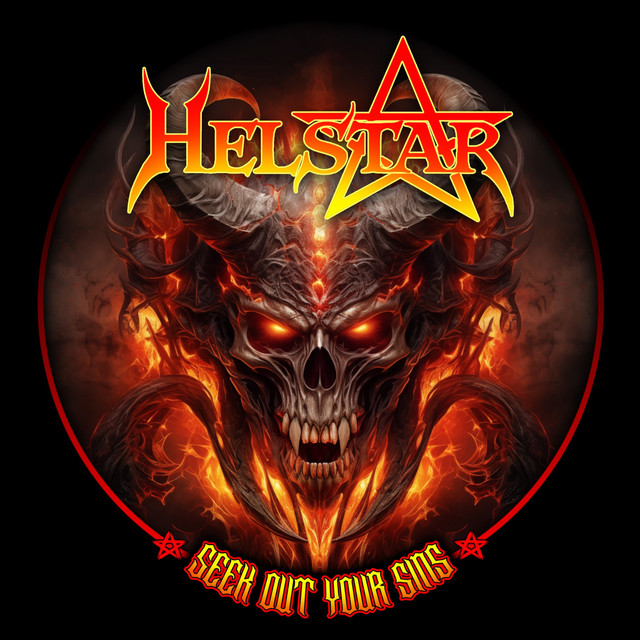
The implications extend beyond individual career strategies. When examining the Helstar approach to maintaining consistent lineups versus newer models embracing fluidity, we see how American power and speed metal acts must navigate these changing expectations. The traditional heavy metal foundation that bands like Helstar represent provides stability, while White-Gluz's multi-project model suggests exciting possibilities for cross-pollination.
Sevendust's Near-Dissolution: When American Metal Veterans Contemplate Endings
Morgan Rose's recent revelation about Sevendust's internal discussions regarding their potential end provides rare insight into the decision-making processes that keep veteran bands together. The Atlanta group's consideration of dissolution—and their ultimate decision to continue—highlights the complex dynamics facing American metal acts with decades-long careers.
These conversations about endings and continuations resonate throughout the US metal scene, where numerous acts from the late '90s and early 2000s face similar crossroads. Sevendust's transparency about their near-breakup offers other veteran acts a framework for honest internal assessment. Rather than simply grinding forward out of obligation, successful bands must regularly evaluate their creative chemistry and collective motivation.
The American metal community benefits when bands like Sevendust share these behind-the-scenes realities. Their willingness to discuss existential band moments provides valuable perspective for emerging acts who might assume veteran status guarantees perpetual momentum. The reality proves far more nuanced, requiring constant relationship maintenance and shared vision renewal.
Thrash Revival and Production Choices: Sacred Reich's Studio Update
Sacred Reich's progress on "Into The Abyss" represents more than another veteran thrash release—their collaboration with legendary producer Bill Metoyer signals intentional connections to thrash metal's golden era production aesthetics. This partnership suggests Arizona's thrash veterans understand that modern productions don't always serve classic thrash compositions optimally.
American thrash metal faces unique challenges in 2024, balancing contemporary production expectations with the raw energy that defined the genre's initial impact. Sacred Reich's choice to work with Metoyer, known for his work with seminal thrash and crossover acts, indicates sophisticated thinking about how production choices affect musical impact.
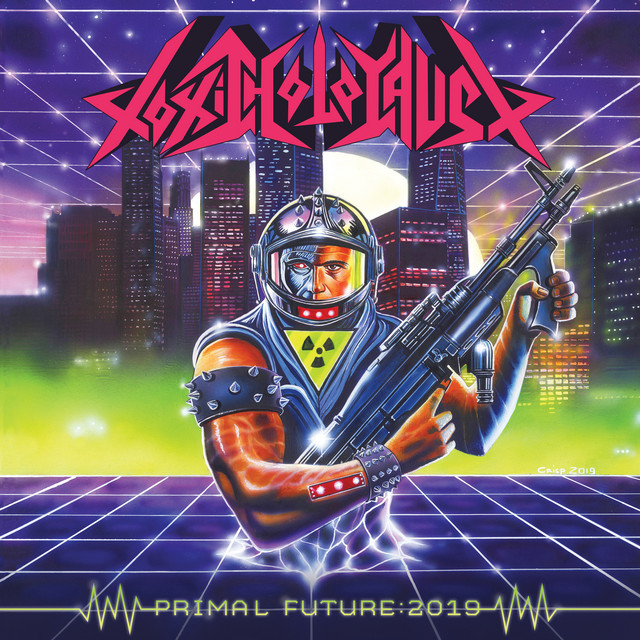
For emerging American thrash acts like Toxic Holocaust, Sacred Reich's approach offers valuable lessons in marrying classic aesthetics with modern capabilities. The Arizona veterans demonstrate that successful thrash revivals require more than simply playing fast—they demand understanding of how production choices either enhance or diminish aggressive compositions.
August Burns Red's Holiday Strategy: Seasonal Programming in Modern Metal
August Burns Red's announcement of their 'Christmas Burns Red' live dates illustrates how established American metal acts create unique touring opportunities beyond traditional album cycles. Their seasonal approach transforms holiday programming from novelty into legitimate artistic expression, offering other bands a model for creative tour planning.
This strategy reflects broader changes in how metal bands touring 2026 must approach calendar planning. Rather than relying solely on new album support tours, successful acts develop multiple touring concepts that create distinct experiences for audiences. August Burns Red's holiday programming demonstrates how bands can build recurring revenue streams while offering fans something genuinely different.
The Pennsylvania metalcore veterans' approach resonates particularly well with American audiences who appreciate bands willing to embrace unconventional concepts. Their success with holiday-themed metal programming opens doors for other creative touring approaches, from acoustic sets to collaborative shows with symphony orchestras.
Jason Newsted's Health Battle: When Metal Veterans Face Mortality
Jason Newsted's candid discussion of his throat cancer battle provides sobering perspective on the physical toll of decades-long metal careers. His description of the experience as the closest he's come to not breathing underscores the serious health risks that career musicians often face, particularly those involved in more aggressive musical styles.
The former Metallica bassist's openness about his health struggles serves the broader metal community by normalizing discussions about medical issues that frequently remain private. Many metal musicians, particularly vocalists and those who perform with extreme intensity, face similar health challenges as they age. Newsted's transparency helps destigmatize these conversations.
For American metal acts building long-term careers, Newsted's experience highlights the importance of health maintenance and early intervention. The physical demands of metal performance require more attention as musicians age, and veteran artists sharing their experiences helps younger musicians make informed decisions about career sustainability.
Looking Forward: Personnel Evolution and Creative Boundaries
These recent developments reveal a metal scene increasingly comfortable with non-traditional approaches to band membership, creative output, and career longevity. From White-Gluz's multi-project model to Sacred Reich's production choices, American metal continues evolving through thoughtful experimentation rather than blind adherence to established patterns.
The conversation extends beyond individual band decisions to encompass how the entire American scene adapts to changing industry realities. Streaming platforms favor consistent content release, touring requires increasingly sophisticated planning, and audiences expect more diverse offerings from their favorite acts. Successfully navigating these pressures demands the flexibility that these veteran acts demonstrate.
As we move deeper into 2024, expect more established American metal acts to embrace similar evolutionary approaches. The bands thriving in today's landscape combine respect for their foundations with willingness to explore new territories, whether through personnel changes, creative collaborations, or innovative touring concepts.
These developments collectively suggest an American metal scene entering a mature phase where veteran wisdom guides experimental approaches, creating exciting possibilities for both established acts and emerging bands learning from their examples.