Genre Evolution and Vocal Endurance: Symphonic Black Metal Embraces Ambition While Canadian Visionaries Confront Performance Realities
The American metal scene continues to evolve through ambitious artistic statements and honest reflections on performance sustainability, as symphonic black metal champions refuse compromise while veteran performers confront the physical realities of extreme vocal demands.
Symphonic Black Metal's Uncompromising Vision
Norwegian symphonic black metal titans Dimmu Borgir have reinforced their commitment to artistic integrity with guitarist Silenoz's recent declaration that the band has "never taken the easy way out" and "never compromised." As they prepare for their upcoming album "Grand Serpent Rising," set for release on May 22 via Nuclear Blast Records, this statement resonates deeply within the American metal community where symphonic extreme metal continues to find passionate audiences.
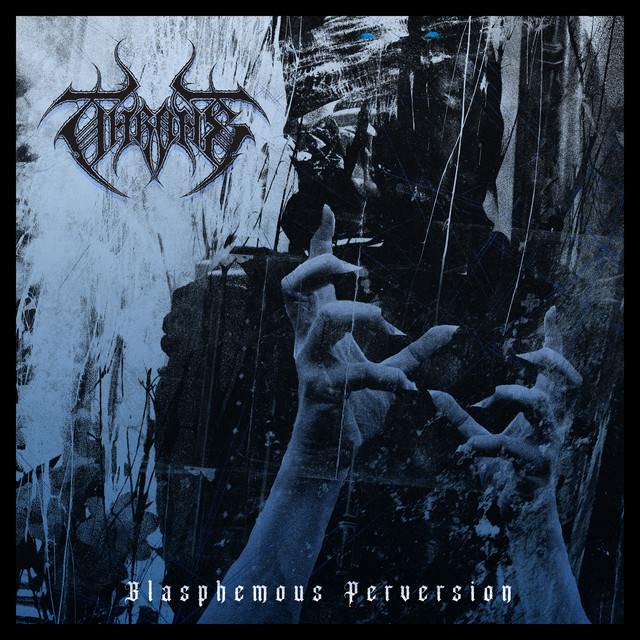
The symphonic black metal approach has found fertile ground in the US scene, where bands like Throne continue to explore the intersection of orchestral arrangements and extreme metal foundations. Dimmu Borgir's steadfast refusal to simplify their complex compositions serves as inspiration for American acts pursuing similarly ambitious sonic territories without sacrificing their core identity.
This uncompromising stance reflects a broader trend within American extreme metal, where authenticity often trumps commercial accessibility. The symphonic black metal genre demands technical proficiency across multiple musical disciplines, from blast beat precision to orchestral arrangement understanding, creating a natural barrier against oversimplification.
Vocal Sustainability in Extreme Performance
Canadian visionary Devin Townsend's recent comments about vocal performance vulnerability offer crucial insights for the American metal community. His observation that "the hardest part about being a singer is that you can't hide" while promoting his upcoming rock opera "The Moth" highlights the physical and emotional demands placed on extreme metal vocalists after decades of performance.
Townsend's three-decade career without formal vocal training serves as both inspiration and cautionary tale for emerging American metal vocalists. His candid discussion of vocal survival resonates particularly strongly within progressive metal circles, where extended compositions and complex arrangements place enormous demands on vocal performers.
The American progressive metal scene has witnessed similar challenges, with numerous vocalists facing career-threatening vocal issues after years of extreme performance demands. Townsend's transparency about these struggles provides valuable perspective for the next generation of American metal performers navigating similar career longevity questions.
Genre Crossover and Creative Expansion
The emergence of Blue Medusa, featuring former Arch Enemy vocalist Alissa White-Gluz, demonstrates the fluid nature of modern metal collaborations. Their upcoming "Flying Monkey" video represents another chapter in White-Gluz's post-Arch Enemy creative journey, following her recent addition to DragonForce's lineup. This cross-pollination of extreme metal talent showcases the interconnected nature of the international metal community while highlighting the creative opportunities available to established performers.
White-Gluz's multiple simultaneous projects reflect a growing trend within the metal community where veteran performers explore diverse creative outlets rather than limiting themselves to single band identities. This approach has become increasingly common among American metal musicians seeking to explore different facets of their artistic vision.
Release Wave Highlights Diverse American Contributions
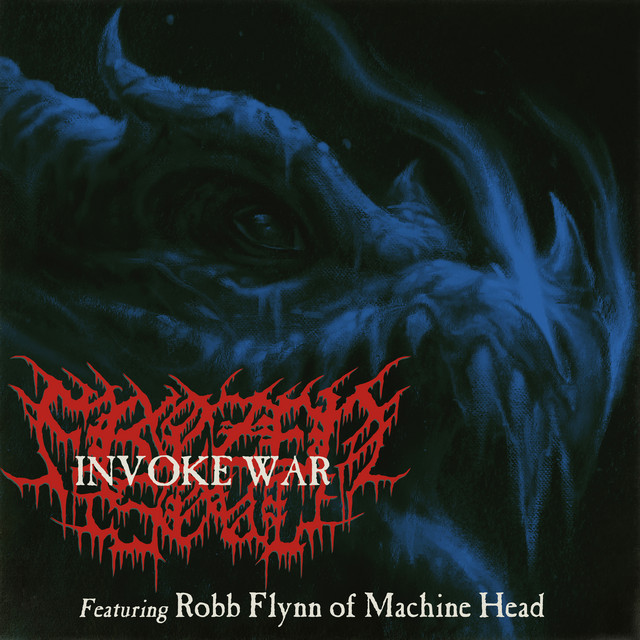
The current release cycle showcases the diversity of American metal contributions, with acts like Panopticon, War On Women, and IATT delivering new material alongside international heavyweights like Darkthrone and Frozen Soul. This international collaboration demonstrates the global reach of American metal influence while highlighting the continued vitality of domestic extreme metal production.
Panopticon's inclusion in this high-profile release week particularly emphasizes the strength of American atmospheric black metal, a subgenre that has gained significant international recognition for its incorporation of Appalachian folk elements and environmental themes. The band's approach to black metal innovation mirrors the broader American metal tendency toward genre hybridization and cultural incorporation.
War On Women's contribution to this release wave reinforces the growing prominence of politically engaged hardcore and punk crossover acts within the American metal ecosystem. Their inclusion alongside traditional extreme metal acts demonstrates the expanding definition of heavy music and the increasing acceptance of message-driven material within metal communities.
Legacy Acts Navigate Modern Realities
Saxon's announcement of their 25th studio album, with a first single scheduled for September 2026, demonstrates the continued productivity of veteran heavy metal acts well into their fifth decade of operation. Biff Byford's revelation about the completed album reflects the ongoing vitality of traditional heavy metal approaches within modern recording and distribution frameworks.
The extended timeline between completion and release highlights the complex realities of modern metal album promotion, where strategic planning often requires extensive lead times for maximum impact. This approach contrasts sharply with the immediate release strategies favored by many contemporary American metal acts utilizing digital distribution platforms.
Sacred Reich's progress on "Into The Abyss," currently in mixing stages with producer Bill Metoyer for a tentative late 2026 release via Metal Blade Records, showcases the continued relevance of Arizona thrash metal veterans. Their choice to work with Metoyer, a legendary figure in American extreme metal production, emphasizes the importance of experienced production partnerships in maintaining sonic authenticity.
Health Challenges and Career Resilience
Jason Newsted's candid discussion of his throat cancer battle provides sobering perspective on the physical toll of extreme metal performance. His description of the experience as "the closest I've ever come to not breathing" underscores the serious health risks faced by metal performers throughout extended careers.
Newsted's openness about his medical challenges continues his pattern of honest communication about the realities of professional metal performance. His 15-year tenure with Metallica during their most commercially successful period provides him with unique authority on the subject of career sustainability within high-pressure metal environments.
The former Metallica bassist's health struggles highlight the importance of preventive care and medical monitoring for metal performers, particularly those whose stage presence involves extensive physical exertion and vocal strain. His experience serves as a crucial reminder for the American metal community about the importance of health maintenance throughout extended careers.
Seasonal Programming and Community Building
August Burns Red's announcement of 'Christmas Burns Red' live dates demonstrates the continued evolution of seasonal metal programming. Their holiday-themed performances have become an annual tradition that bridges the gap between metal's typically dark aesthetic and seasonal celebration, creating unique community experiences that extend beyond traditional concert formats.
This approach to seasonal programming reflects broader trends within the American metal community toward event diversification and fan engagement beyond standard touring cycles. Holiday-themed metal shows have gained significant traction across multiple markets, providing bands with additional revenue streams while offering fans distinctive experiences.
Industry Transitions and Second Acts
Sevendust drummer Morgan Rose's revelation about the band's serious discussions regarding retirement plans provides insight into the decision-making processes of veteran American metal acts. His confirmation that "it was absolutely discussed" demonstrates the realistic approach taken by long-running bands toward career sustainability and graceful conclusions.
The band's ultimate decision to continue rather than implement their retirement blueprint reflects the complex emotional and financial considerations facing established metal acts. Sevendust's longevity within the American metal scene positions them as important voices in discussions about career management and band sustainability.
These revelations highlight the business realities facing American metal bands after decades of operation, where artistic passion must be balanced against physical limitations and market realities. The transparency shown by Rose regarding these internal discussions provides valuable perspective for both fans and fellow musicians navigating similar crossroads.
As the American metal scene continues evolving through artistic ambition and honest self-assessment, these developments showcase both the creative possibilities and practical challenges facing performers across all career stages. The combination of uncompromising artistic vision and realistic career management continues defining the mature approach characterizing modern American metal.