Power Metal Evolution and Health Battles: DragonForce Embraces Change While Veterans Fight Personal Wars
The American metal landscape witnesses profound transformations as legendary acts navigate both creative evolution and personal battles. DragonForce's historic vocalist change signals broader industry shifts while veteran musicians confront serious health challenges, painting a complex portrait of resilience and adaptation in today's scene.
DragonForce Enters New Era With Alissa White-Gluz
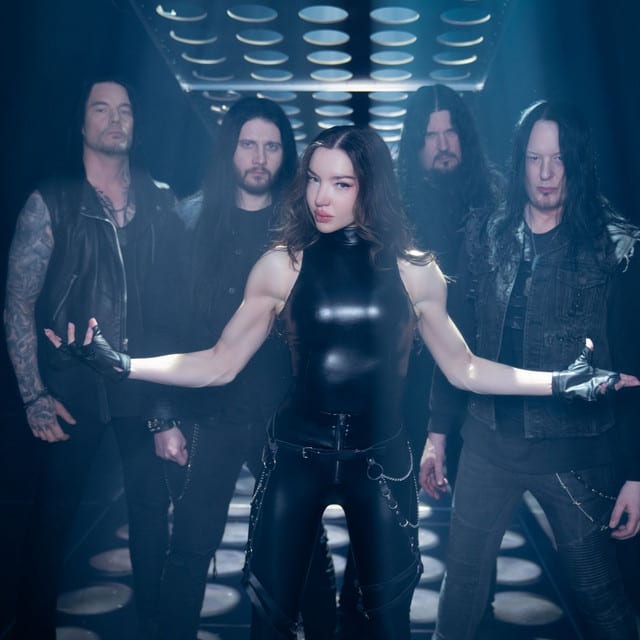
Power metal experienced a seismic shift at Welcome to Rockville Festival in Daytona Beach, Florida, where DragonForce delivered their first complete live performance with new vocalist Alissa White-Gluz. The former Arch Enemy frontwoman stepped into a role that represents more than just a lineup change—it signals a fundamental evolution for one of power metal's most recognizable acts.
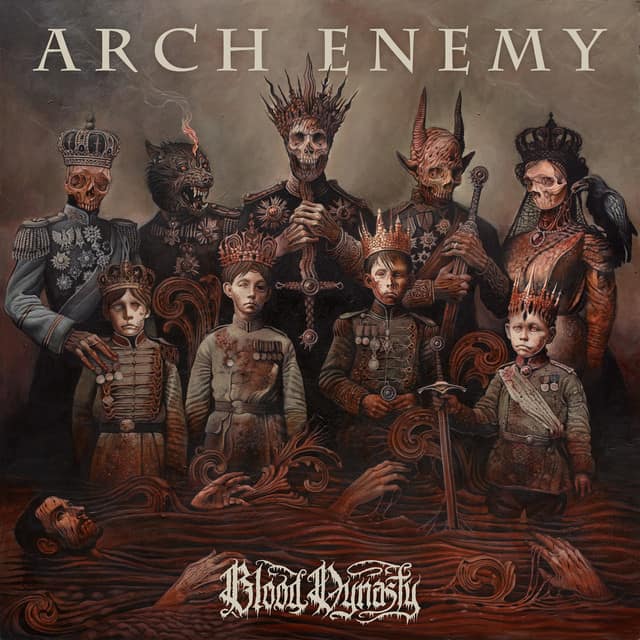
Marc Hudson's departure due to ongoing hearing loss and tinnitus issues highlights the often-overlooked physical toll that decades of extreme metal performance can exact on musicians. His condition serves as a sobering reminder of the sacrifices inherent in maintaining the blistering vocal delivery that power metal demands. White-Gluz's transition from death metal growls to DragonForce's soaring melodies demonstrates the versatility required of modern metal vocalists.
The festival performance marked a crucial test for the reconfigured lineup. DragonForce built their reputation on technical precision and lightning-fast execution, elements that require seamless chemistry between all members. White-Gluz's integration suggests that the band prioritized vocal adaptability over maintaining their established sound, potentially opening new creative avenues for future releases.
For American power metal acts like August, DragonForce's bold personnel decision could inspire similar creative risks. The power metal genre has often been criticized for formulaic approaches, making this vocalist swap particularly significant for bands seeking to expand their artistic boundaries while maintaining their core fanbase.
Health Struggles Define Veteran Metal Community
Jason Newsted's revelation about his throat cancer battle adds a deeply personal dimension to discussions about longevity in heavy music. The former Metallica bassist's candid discussion on Bill Burr's podcast about coming close to respiratory failure underscores the vulnerability that even the most established metal musicians face.
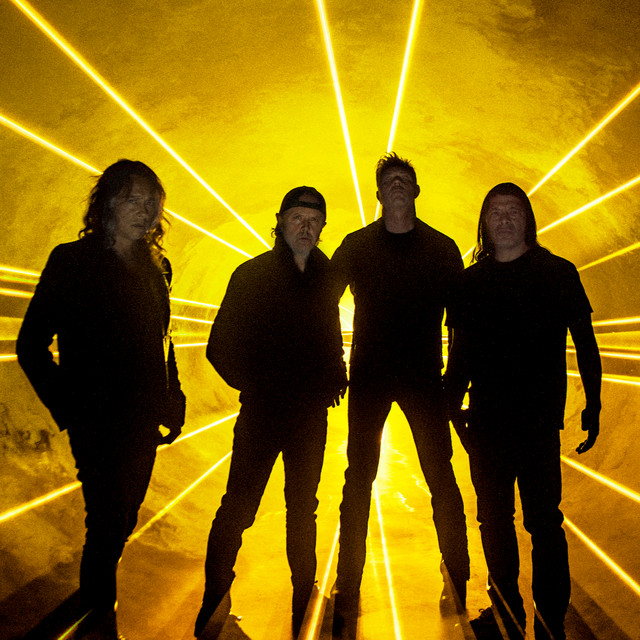
Newsted's health crisis occurred during his most productive creative period since leaving Metallica, highlighting the cruel irony that often accompanies artistic peaks. His 63-year-old perspective on mortality resonates throughout the metal community, where many pioneering musicians now confront age-related health challenges while maintaining active careers.
The throat cancer diagnosis particularly impacts someone whose bass playing style emphasized rhythmic precision over flashy technique. Newsted's contributions to Metallica's most commercially successful era demonstrated how solid fundamental playing could anchor even the most complex compositions. His health battle raises questions about how physical limitations might affect not just performance but also the creative process itself.
These health revelations connect to broader discussions about sustainability in extreme music careers. The physical demands of touring, combined with decades of exposure to loud amplification, create cumulative effects that often don't manifest until musicians reach their peak earning years.
Thrash Metal Veterans Continue Forward Movement
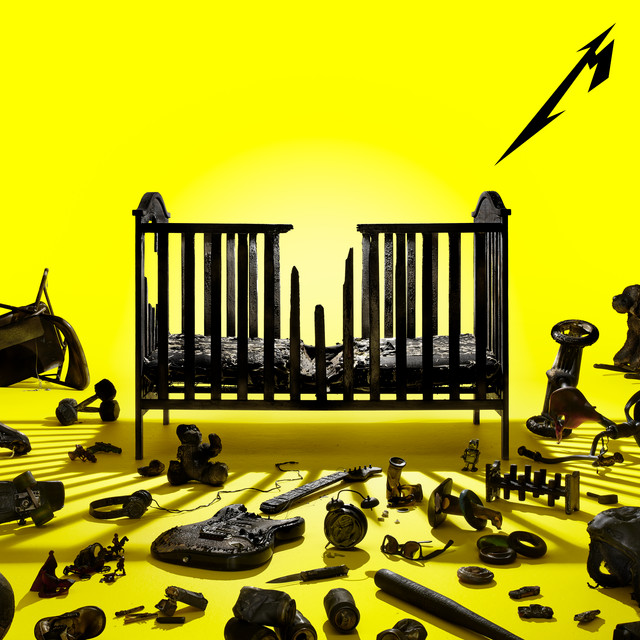
Arizona's Sacred Reich demonstrates that veteran thrash acts can maintain creative momentum despite industry pressures favoring younger bands. Their work on "Into the Abyss" with producer Bill Metoyer represents a commitment to authentic thrash metal production values that newer bands often overlook in favor of modern recording techniques.
The band's decision to record at The Focusrite Room in Mesa, Arizona, emphasizes regional metal production capabilities. This choice supports local music infrastructure while ensuring that the recording process remains connected to the band's geographic roots. Sacred Reich's approach contrasts sharply with bands who chase fashionable producers regardless of stylistic compatibility.
Their partnership with Metal Blade Records for the 2026 release continues a relationship that spans decades, demonstrating how label loyalty can benefit both parties. Metal Blade's consistent support for established thrash acts provides veterans with stable release platforms while maintaining the label's credibility within extreme metal circles.
The "Into the Abyss" album title suggests thematic content that addresses contemporary darkness while maintaining thrash metal's traditional social commentary approach. Sacred Reich's longevity stems partly from their ability to adapt lyrical content to current events without abandoning their core musical identity.
Metalcore Innovation Continues Pennsylvania Tradition
August Burns Red's "Sonic Salvation" single preview their June album "Season of Surrender," continuing Pennsylvania's rich metalcore tradition. The state's metalcore scene has produced some of the genre's most technically accomplished and emotionally resonant acts, establishing regional characteristics that influence bands nationwide.
The band's continued evolution reflects metalcore's maturation as a genre capable of supporting long-term careers. Unlike earlier metalcore acts who often transitioned to more commercial styles, August Burns Red maintains their technical complexity while exploring new emotional territories. This approach validates metalcore as a legitimate artistic medium rather than a stepping stone to mainstream success.
Their upcoming release timing targets the summer touring season, when metalcore bands traditionally see their highest attendance figures. The strategic release scheduling demonstrates understanding of how seasonal touring patterns affect album promotion and sales figures.
Industry Implications and Regional Impact
These developments collectively illustrate how American metal continues evolving through both planned innovations and circumstantial necessities. DragonForce's vocalist change, necessitated by health issues, created opportunities for cross-genre pollination that might not have occurred under normal circumstances.
The veteran metal community's health struggles add urgency to discussions about sustainable career practices. Younger musicians observing these challenges might adopt preventive measures that earlier generations didn't consider necessary. Hearing protection, vocal coaching, and physical fitness programs are becoming standard considerations for serious metal musicians.
Regional metal scenes benefit when established acts like Sacred Reich choose local recording facilities and producers. These decisions create economic ripple effects that support entire music ecosystems, from engineers to session musicians to equipment suppliers.
The success of acts spanning multiple generations—from Sacred Reich's 1980s origins to August Burns Red's 2000s emergence—demonstrates metal's capacity for sustained artistic development. This longevity attracts investment in music infrastructure and creates mentorship opportunities for emerging bands.
Festival programming increasingly reflects this generational diversity, with events like Welcome to Rockville showcasing both veteran acts experimenting with new lineups and younger bands building their reputations. This programming approach validates metal's artistic legitimacy while providing audiences with comprehensive exposure to the genre's evolution.
As 2026 progresses, these intersecting narratives of health challenges, creative adaptation, and regional development will continue shaping American metal's trajectory. The scene's resilience in facing both planned changes and unexpected crises demonstrates the community's fundamental strength and adaptability.