Metalcore Renaissance and Thrash Legacy Celebrations: Pennsylvania's Surrender Fuels Scene Revival While Arizona Veterans Complete New Chapter
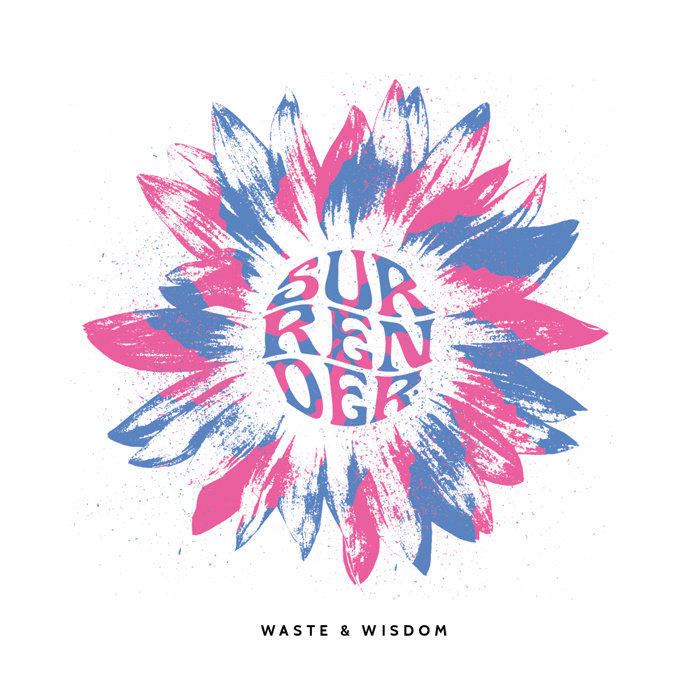
The American metal landscape is experiencing a fascinating dual narrative this week, with metalcore acts breathing fresh life into emotional territory while thrash veterans continue celebrating legendary milestones. This convergence of forward momentum and historical reverence reveals how the US scene maintains its vitality through both innovation and tradition.
Pennsylvania's Metalcore Evolution Gains Momentum
The metalcore scene is experiencing a creative surge, with Pennsylvania's Surrender representing the kind of heavy metal innovation that's defining the genre's current evolution. As bands like Drop Dead, Gorgeous release emotionally charged material like their latest track "Cyanide" — described as "a dark love song for anyone who's ever been addicted to someone they should've run from" — the metalcore movement continues exploring psychological depth that goes far beyond traditional heavy metal boundaries.
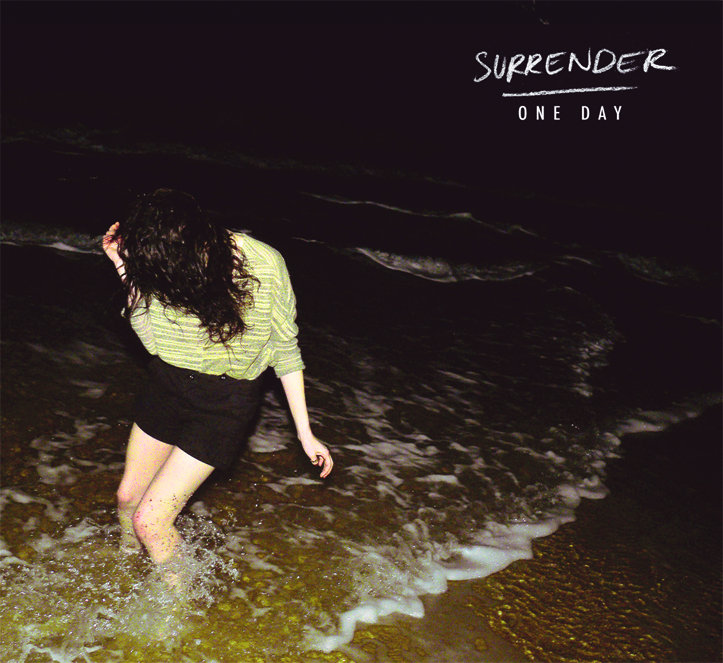
Meanwhile, August Burns Red's announcement of their upcoming album "Season of Surrender" for June 5th, coupled with their new single "Sonic Salvation," demonstrates how established metalcore acts are pushing the genre into uncharted territory. The Pennsylvania metalcore scene, which includes bands like Surrender, continues to prove that heavy metal's future lies in emotional authenticity combined with technical prowess.
The band's approach to combining crushing heaviness with introspective songwriting mirrors broader trends across American metalcore, where acts are increasingly willing to explore vulnerable themes while maintaining the aggressive foundation that defines the best metal bands. This emotional complexity sets modern metalcore apart from both the melodic death metal scenes and the more straightforward approaches of traditional heavy metal acts.
Thrash Metal's Eternal Victory Lap
While newer acts forge ahead, thrash metal's legends continue milking their classic achievements for all they're worth. Slayer's extension of their "Reign in Blood" anniversary celebrations with yet another commemorative show represents both the enduring power of the best heavy metal songs and the challenging reality facing 80s metal bands: how do you move forward when your legacy overshadows everything else?
This celebration culture isn't limited to Slayer. Arizona's Sacred Reich is currently mixing their new album "Into The Abyss" with legendary producer Bill Metoyer, aiming for a late 2026 release via Metal Blade Records. The follow-up to 2019's "Awakening" represents the kind of patient craftsmanship that separated the enduring thrash acts from the countless imitators who flooded the scene during thrash metal's initial explosion.
Gene Hoglan's recent observations about grunge's debt to thrash metal provide crucial historical context for understanding how American extreme music evolved. His perspective that "grunge was very influenced by thrash metal" reminds us that the best metal albums of all time didn't exist in isolation — they created ripple effects that extended far beyond the metal underground.
Commercial Breakthroughs and Mainstream Recognition
Five Finger Death Punch's achievement of their first multi-platinum single in the United States signals how persistence in the American metal scene eventually pays dividends. While critics may dismiss their approach as formulaic, their commercial success demonstrates the ongoing appetite for heavy metal among mainstream American audiences.
This mainstream acceptance creates opportunities for more experimental acts across the spectrum. California's Gorge, blending death metal with doom influences, benefits from an environment where heavy music has greater commercial viability. Similarly, speed metal acts like Natur find themselves operating in a landscape where metal's commercial potential has been thoroughly proven.
The success of mainstream metal acts also elevates the entire ecosystem, creating more opportunities for touring, festival slots, and media coverage that ultimately benefits the entire American metal community. When metal bands touring 2026 festivals can point to multi-platinum success stories, it legitimizes the entire genre in ways that pure underground credibility never could.
Festival Culture and Death Metal's Growing Prominence
Sonic Temple's 2026 edition, scheduled for May 14-17 in Columbus, Ohio, continues emphasizing death metal acts alongside more traditional festival headliners. This programming choice reflects death metal's growing mainstream acceptance and the festival industry's recognition that American audiences are ready for increasingly extreme sounds.
The festival's multi-day, multi-stage format provides platforms for both established acts and emerging bands across the metal spectrum. New metal bands 2026 will benefit from festival programming that's more adventurous than ever before, creating pathways for breakthrough moments that can define careers.
This festival evolution also creates opportunities for cross-genre pollination. When death metal bands share stages with metalcore acts, speed metal groups, and traditional heavy metal bands, the resulting musical conversations often produce the most interesting artistic developments.
Band Dynamics and Industry Turbulence
The departure of Andrew Freeman from Last in Line highlights the ongoing challenges facing legacy metal projects. Freeman's statement that he "was not really given any reason at all about what happened" reflects broader communication issues that plague metal bands attempting to balance artistic vision with business realities.
Meanwhile, DragonForce's addition of Alissa White-Gluz represents a more positive example of lineup changes driving artistic evolution. These personnel shifts remind us that the US metal scene remains dynamic, with established bands continuously reinventing themselves rather than simply coasting on past achievements.
DevilDriver's upcoming album "Strike and Kill," arriving July 10th via Napalm Records, demonstrates how veteran acts maintain relevance through consistent output and artistic growth. Dez Fafara's confidence that "people are gonna love this record" reflects the kind of artistic conviction that separates enduring metal acts from one-album wonders.
Looking Forward: Metal's Expanding Boundaries
August Burns Red's early announcement of their 2026 "Christmas Burns Red" show illustrates how successful metal acts now plan far in advance, building anticipation while ensuring their dedicated fanbases have something to look forward to throughout the year.
The current American metal scene benefits from this kind of forward thinking. When established acts plan ambitious projects while newer bands explore emotional and sonic territory that previous generations avoided, the entire ecosystem becomes more vibrant and sustainable.
From Pennsylvania metalcore innovators to Arizona thrash veterans, the US metal scene continues proving that authenticity combined with artistic growth creates the foundation for lasting success. Whether through emotionally complex songwriting, technical innovation, or simply the relentless pursuit of heavier sounds, American metal remains vital because it refuses to accept limitations.
As we move deeper into 2026, the convergence of commercial success, artistic ambition, and technological possibilities suggests the best years for American metal may still lie ahead. The scene's ability to simultaneously celebrate its history while pushing toward unknown territory ensures that both veteran acts and emerging bands have space to thrive.