Celebrity Silence and Generation Next: Veterans Reject Political Discourse While Second-Generation Acts Define New Metal Identity
A fascinating divide is emerging in American metal as veteran musicians increasingly distance themselves from political commentary while the next generation of artists boldly stakes their claim on the scene's future. This week's developments showcase how established acts are stepping back from cultural discourse even as their children and proteges forge ahead with ambitious new projects.
The Politics of Musical Silence
Dave Mustaine's recent declaration that musicians shouldn't influence voting decisions represents a significant shift from metal's historically confrontational stance. The Megadeth frontman's comments about staying in his lane as a songwriter rather than a political commentator signal a broader retreat among veteran acts from the cultural battles that once defined metal's rebellious identity.
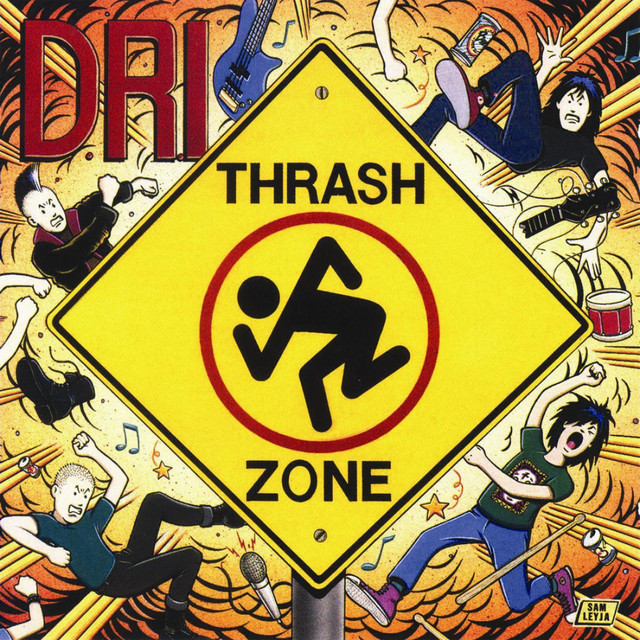
This philosophical withdrawal stands in stark contrast to the genre's foundational years, when bands like Ministry and crossover pioneers D.R.I. built careers on political provocation. Mustaine's position—despite writing songs like "Holy Wars"—suggests that even the most politically aware metal veterans are now questioning their role as cultural influencers.
The implications extend beyond individual artists to the entire ecosystem of American heavy music. When legendary figures step back from commentary, it creates space for newer voices to define the conversation. This generational handoff isn't happening in a vacuum—it's occurring as metal faces unprecedented scrutiny over everything from festival safety to industry accountability.
Second-Generation Ascendancy
While veterans retreat from political discourse, their children are boldly establishing independent artistic identities. Stanley Simmons—the collaborative project between Paul Stanley and Gene Simmons' sons—exemplifies this next-generation confidence with their latest single "Temporary Love." The project represents more than family legacy; it's a declaration that second-generation artists intend to carve their own paths rather than simply inherit their parents' mantles.
Evan Stanley and Nick Simmons face unique pressures that distinguish them from typical emerging artists. They must simultaneously honor their legendary lineage while proving their individual worth—a balancing act that requires both musical skill and strategic thinking. Their approach suggests a more calculated, professional understanding of the music industry compared to their parents' more chaotic rise during the 70s and 80s.
This generational shift reflects broader changes in how new metal bands 2026 approach career development. Where previous generations often stumbled into success through raw talent and fortunate timing, today's emerging artists benefit from inherited industry knowledge and established networks while facing the challenge of proving their authenticity in an increasingly saturated market.
Veteran Vocalists Explore New Territory
Chad Gray's openness to solo work outside his established Mudvayne and Hellyeah projects demonstrates how veteran musicians are seeking creative renewal without abandoning their core identities. His "30 Years Of Madness" series represents a middle path between the political retreat exemplified by Mustaine and the bold new ventures of second-generation acts.
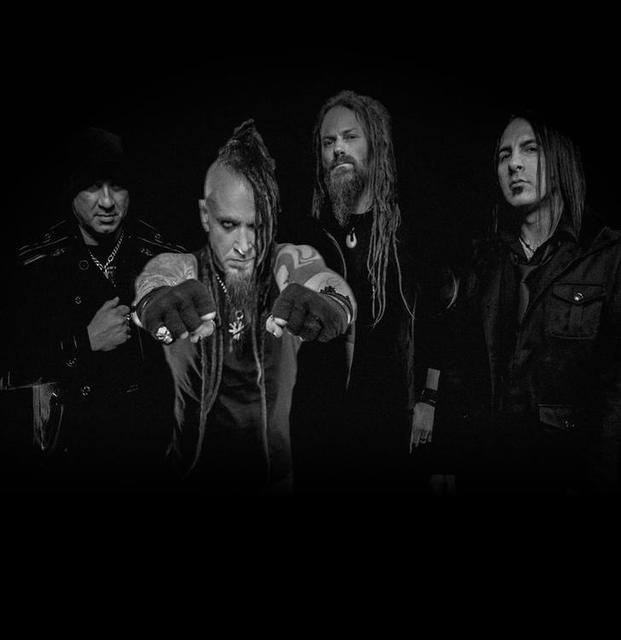
Gray's approach—revisiting career highlights while exploring new collaborative possibilities—offers a template for how established artists can maintain relevance without entering controversial territory. This strategy allows veterans to celebrate their achievements while avoiding the cultural landmines that increasingly surround public statements from high-profile musicians.
The collaborative aspect of Gray's solo venture, featuring members of his established bands, suggests that even individual artistic exploration benefits from existing relationships and proven chemistry. This contrasts sharply with the completely fresh start that second-generation acts must navigate as they build their own artistic communities.

Television as Metal's Mainstream Gateway
Social Distortion's appearance on Jimmy Kimmel Live! performing "Born To Kill" represents another avenue through which established acts maintain cultural presence without engaging in divisive commentary. Television performances offer a neutral platform for reaching broader audiences while focusing purely on musical content rather than personal opinions.
The choice to perform new material on national television demonstrates confidence in contemporary creative output while avoiding the nostalgia trap that often confines veteran acts to their classic hits. Social Distortion's strategy suggests that bands can remain culturally relevant through artistic evolution rather than political engagement.
This mainstream media approach also provides a model for how American metal can expand its reach without compromising its core identity. Television appearances normalize heavy music for general audiences while maintaining the authentic energy that defines the genre's appeal to dedicated fans.
Economic Realities Shape Artistic Decisions
Tesla bassist Brian Wheat's frank discussion of the band's economic realities—"We are not wealthy guys"—provides crucial context for understanding why veteran musicians are making more conservative choices about public engagement. Financial pressures create incentives for artists to avoid controversial statements that might alienate potential audiences or venues.
This economic vulnerability affects how metal bands touring 2026 approach both their live performances and public personas. When touring income represents survival rather than supplemental revenue, the stakes of maintaining broad appeal become significantly higher. Artists must balance authentic expression with commercial viability in ways that previous generations rarely faced.
The contrast between economic necessity and artistic ambition creates tension that manifests differently across generation lines. Established acts prioritize stability and proven revenue streams, while emerging artists can afford to take greater creative and commercial risks as they build their initial audiences.
Collaboration Delays and Industry Challenges
The reported delays in Adam Dutkiewicz's project with former Killswitch Engage vocalist Howard Jones illustrate how even high-profile collaborations face logistical and creative obstacles. These challenges reflect broader industry difficulties that affect how musicians plan and execute projects across all experience levels.
Such delays often result from competing commitments, creative differences, or simple scheduling conflicts that become more complex as artists' careers develop. The anticipation surrounding this particular collaboration demonstrates how veteran musicians' new projects generate significant fan interest even without extensive promotion or controversy.
The collaborative approach itself represents another alternative to both political engagement and pure nostalgia, allowing established artists to explore new creative territory within familiar professional relationships. This middle path offers artistic growth without the risks associated with completely unknown partnerships or divisive public statements.
Regional Scene Connections
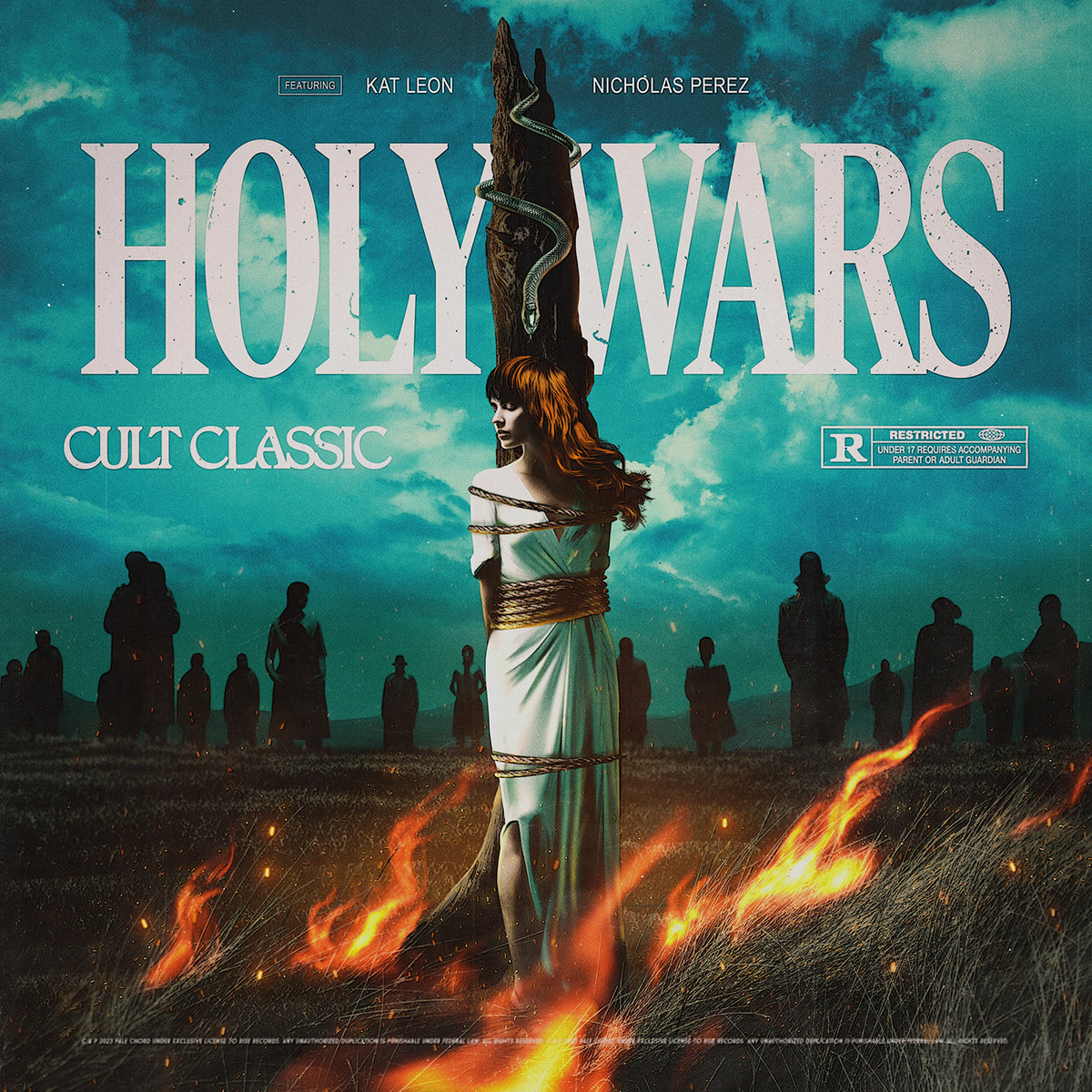
These national developments resonate throughout regional metal communities where local acts navigate similar tensions between artistic authenticity and commercial viability. Bands like Holy Wars and Epitaph must consider how national trends affect their own approaches to political engagement, career development, and creative collaboration.
The influence of national acts on regional scenes creates both opportunities and challenges for emerging artists. While veterans' retreat from political discourse might create space for local voices to address community concerns, it also removes potential allies and amplifiers for regional movements and causes.
Future Implications for American Metal
The current moment represents a significant transition in how American metal defines its cultural role and artistic priorities. As political engagement becomes more risky for established acts and second-generation artists stake independent claims, the scene's future direction remains genuinely uncertain.
The success or failure of projects like Stanley Simmons will influence how other second-generation artists approach their own careers, while the reception of veteran acts' more cautious strategies will determine whether political retreat becomes a lasting trend or temporary adjustment.
What remains constant is metal's fundamental commitment to authentic expression, whether through political commentary, personal revelation, or pure musical innovation. The current generational divide simply reflects different interpretations of what authenticity means in an increasingly complex cultural landscape.
As these trends continue developing, American metal's identity will likely emerge from the synthesis of veteran wisdom and next-generation ambition, creating new models for how heavy music engages with both artistic challenges and cultural responsibilities.